How to safely train through mild muscle soreness
By Dan Kauna, September 21, 2026Starting a new workout routine or pushing harder during a session often leaves your body feeling tight the next morning. That dull, heavy ache in your muscles is known as Delayed Onset Muscle Soreness, or DOMS.
It usually peaks between 24 and 48 hours after exercise. While it can make simple movements like walking down stairs uncomfortable, mild soreness is a normal sign that your muscle tissue is adapting to workload.
You do not always need to stay on the couch until every bit of tightness disappears. Moving your body safely can actually help speed up your recovery, provided you know how to listen to key physical signals.
How to tell normal soreness from an actual injury
Distinguishing between standard muscle fatigue and a serious physical injury comes down to the location and quality of the pain. Normal soreness feels like a broad, dull ache on both sides of the body, such as in both thighs after doing squats.
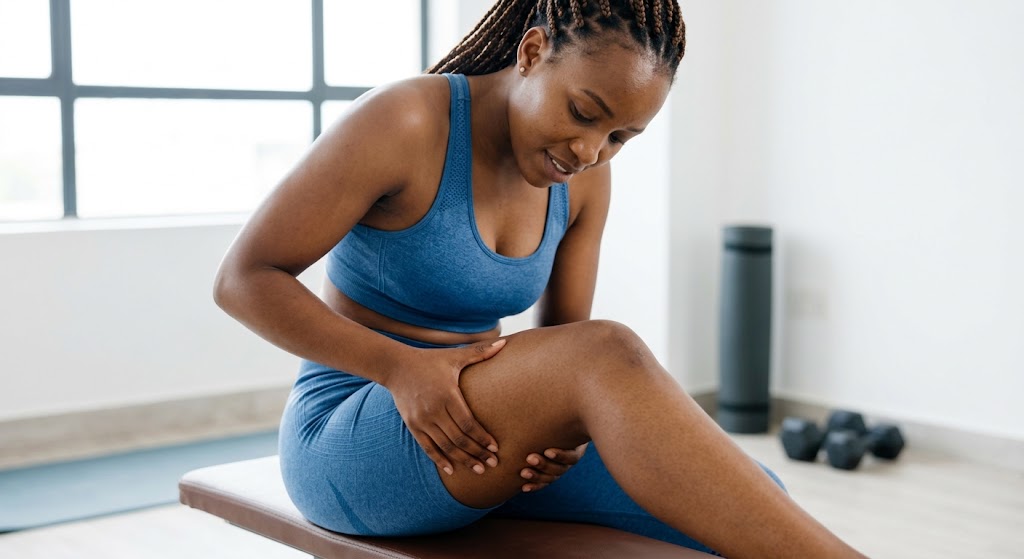
It tends to ease up slightly once your body warms up. Research published in Sports Medicine highlights this effect, noting that “exercise is the most effective means of alleviating pain during DOMS, however the analgesic effect is also temporary.”
In contrast, an injury usually brings sharp, stabbing, or localised pain that hits one specific spot or joint. If you feel sudden pain in your knee or an ankle that throbs while resting, that is a clear warning to stop.
Swelling, visible bruising, or pain that worsens as you move are signs that your body needs total rest or medical attention rather than another workout.
Smart ways to keep moving without causing harm
When dealing with mild stiffness, light activity promotes blood flow to damaged tissue without adding excessive stress. Instead of heavy weightlifting, choose low-impact movement like a brisk 20-minute walk, light swimming, or gentle stationary cycling.
Active recovery delivers fresh oxygen and nutrients to muscles, which eases stiffness far better than staying completely still.

If you prefer to stick with your regular workout plan, adjust the intensity. Lower the weights by half, reduce your total sets, or focus on a different body part altogether.
For instance, if your legs are sore from a previous workout, shift your focus to upper body exercises. Always drink enough water, as proper hydration aids cellular repair.
By adjusting your effort and respecting sharp pain, you can maintain consistency in your fitness journey without risking injury.