How to properly warm up before a workout, step by step
By Dan Kauna, September 14, 2026Many people step into a gym or onto a local pitch and immediately start heavy lifting or fast running. Others sit on the ground holding still stretches, assuming that protects them from pulled muscles.
Neither method actually prepares the body for hard work. Skipping a solid routine or choosing the wrong exercises leaves your muscles cold and raises your risk of injury.
Whether beginning a new fitness plan or preparing for a neighbourhood jog, taking ten minutes to prepare your body saves you from painful strains and costly physiotherapy visits.
Why dynamic movement beats static stretching
Holding a long stretch while sitting down was once the default routine in school physical education across Kenya. Modern sports research now shows that static stretching on cold muscles can actually lower your strength output during exercise.
Your muscles need active movements that boost your heart rate, warm up your joints, and awaken your central nervous system.
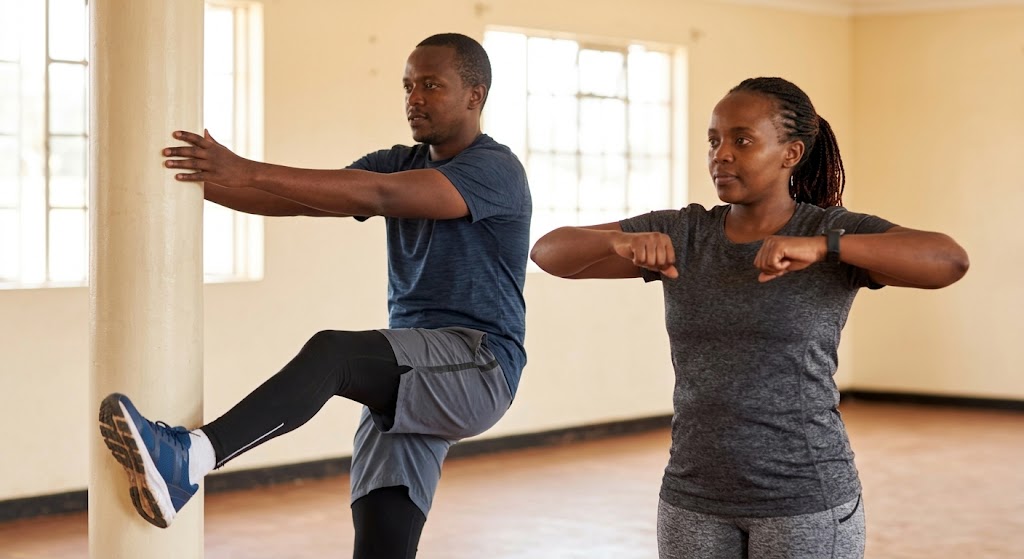
Peer-reviewed sports medicine research highlights this shift. In a study on athletic performance published on PubMed Central, researchers noted that “dynamic warm-ups have gained traction as a preferred warm-up approach over static stretching because of the increased potential to improve athletic performance and reduce injury”.
When your body temperature goes up, blood moves faster to your working muscles. This carries fresh oxygen, improves muscle flexibility, and sharpens your reaction times before heavy physical effort.
Three easy steps to prepare your body
An effective routine requires zero expensive equipment and takes less than ten minutes to complete.
First, begin with three to five minutes of light aerobic activity. Brisk walking, light jogging in place, or gentle skipping increases your heart rate without exhausting your energy. You only need to feel a light warmth across your skin.
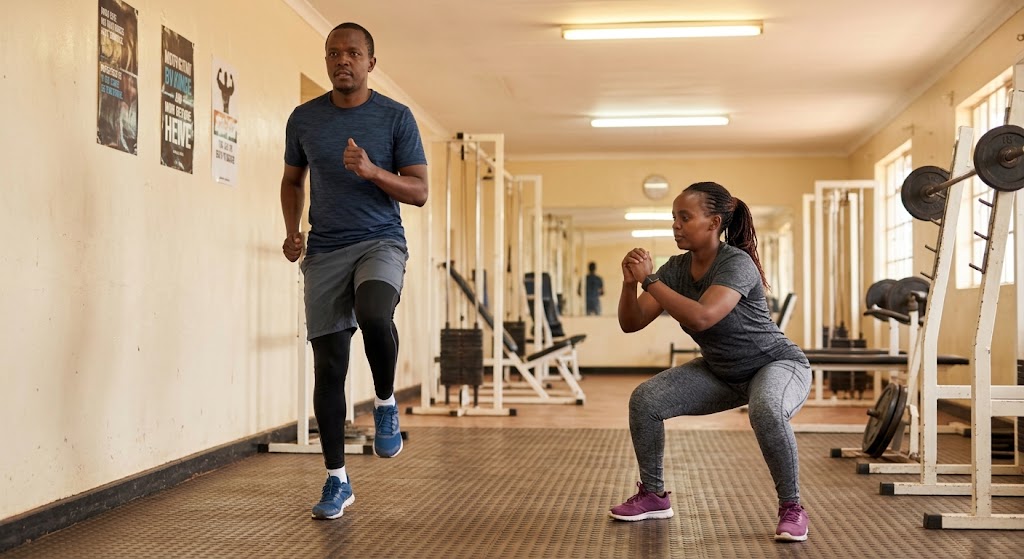
Second, transition into dynamic stretches that mirror the movements you will perform in your main workout. Controlled movements like walking lunges, arm circles, leg swings, and bodyweight squats loosen up your hips, knees, and shoulders.
Complete eight to ten repetitions per exercise, moving smoothly through a full range of motion without forcing any joint beyond its natural limit.
Third, finish with exercise-specific preparation. If your workout involves heavy squats, do a few unweighted repetitions first. If you plan to sprint, finish with two short 20-metre strides at a moderate pace.
This final step bridges the gap between light movement and full training intensity, keeping your body safe, warm, and strong.