Advertisement
Five common misconceptions about tetanus
22nd July, 2026 01:27 AM
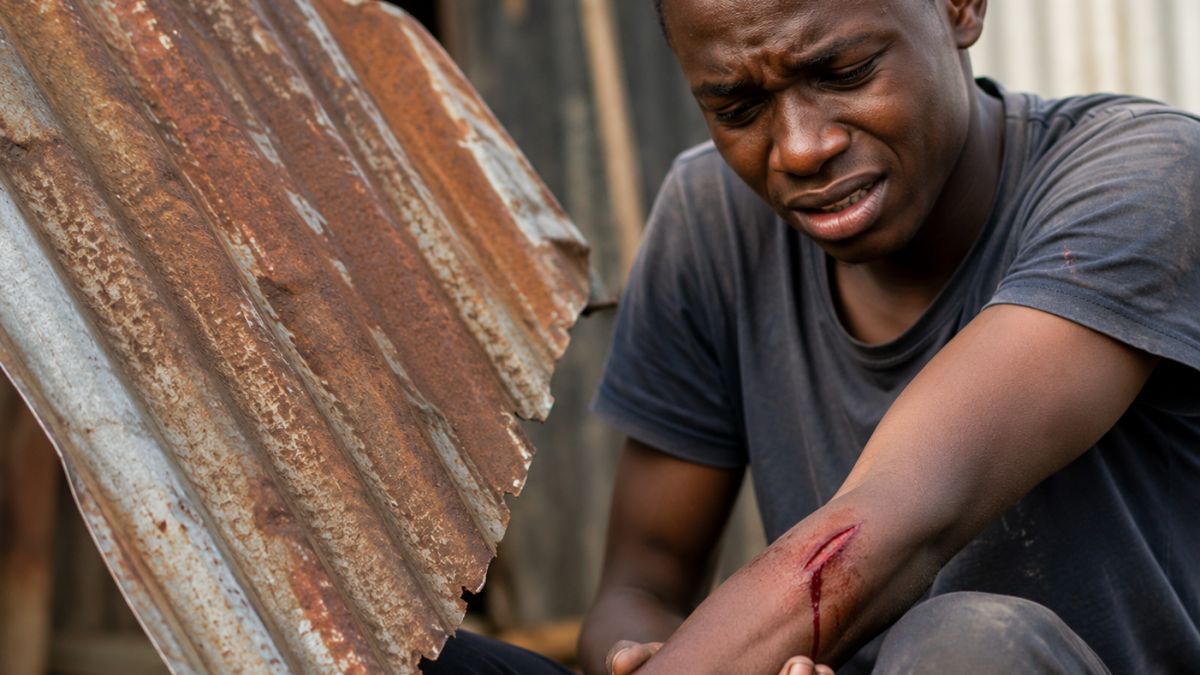
Tetanus is a serious illness contracted through exposure to the spores of the bacterium, Clostridium tetani, which live in soil, saliva, dust and manure.
The bacteria can enter the body through deep cuts, wounds or burns affecting the nervous system. The infection leads to painful muscle contractions, particularly of the jaw and neck muscles, and is commonly known as “lockjaw”.
People of all ages can get tetanus, but the disease is particularly common and serious in newborn babies and their mothers when the mother is unprotected from tetanus by the vaccine, tetanus toxoid.
Tetanus occurring during pregnancy or within 6 weeks of the end of pregnancy is called maternal tetanus, while tetanus occurring within the first 28 days of life is called neonatal tetanus.
The disease remains an important public health problem in many parts of the world, but especially in low-income countries or districts, where immunisation coverage is low and unclean birth practices are common.
According to the WHO, in 2021, just over 7700 newborns died from neonatal tetanus, an 84% reduction since 2000, largely due to scaled-up immunisation with tetanus-toxoid-containing vaccines (TTCV).

1. Myth: You can only get tetanus from a rusty nail
Many Kenyans associate tetanus exclusively with stepping on a rusty nail. While rusty nails can cause puncture wounds, rust itself does not cause tetanus.
The real culprit is Clostridium tetani, bacteria that live in soil, dust and animal faeces. Any object contaminated with these bacteria, including thorns, farm tools, knives or metal scraps, can introduce the bacteria into the body if it breaks the skin.
The risk comes from contamination, not the presence of rust.
2. Myth: Small cuts are harmless
Some people believe only deep wounds require medical attention.
However, even small puncture wounds, scratches or splinters can become contaminated with tetanus bacteria. Because the bacteria grow best in areas with little oxygen, narrow puncture wounds can create an environment where they multiply.
Health experts recommend washing all wounds immediately with clean running water and soap and seeking medical advice for dirty, deep or contaminated injuries.
3. Myth: If you were vaccinated as a child, you are protected for life
Childhood vaccination provides strong protection against tetanus, but it does not last forever.
The WHO recommends a series of tetanus-containing vaccines during childhood followed by booster doses later in life to maintain immunity.
Adults who have not received a booster in many years may no longer be fully protected.
Healthcare providers may also recommend a tetanus booster after certain injuries, depending on your vaccination history.
4. Myth: Traditional remedies can prevent tetanus
In some communities, people still apply substances such as ash, soil, herbs, cooking oil or toothpaste to wounds.
These remedies do not kill tetanus bacteria and may introduce additional germs that increase the risk of infection.
The safest approach is to clean the wound thoroughly with clean water and soap, cover it with a clean dressing and seek medical attention if the wound is deep, dirty or caused by a contaminated object.
5. Myth: Tetanus is no longer a problem in Kenya
Kenya has made significant progress through routine childhood immunisation and maternal vaccination, greatly reducing cases of tetanus, including maternal and neonatal tetanus.
However, the disease has not been eliminated completely. People who are unvaccinated, have missed booster doses or do not receive proper care after an injury remain at risk.