Fibroids: Signs every woman should never ignore
By Katemarthason Okudo, July 26, 2026Fibroids are among the most common non-cancerous growths affecting women of reproductive age, yet many live with them for years without realising what is causing their symptoms.
As Fibroids Awareness Month shines a spotlight on the condition, health experts continue to encourage women to pay attention to changes in their bodies and seek medical advice early rather than dismissing persistent symptoms as a normal part of life.
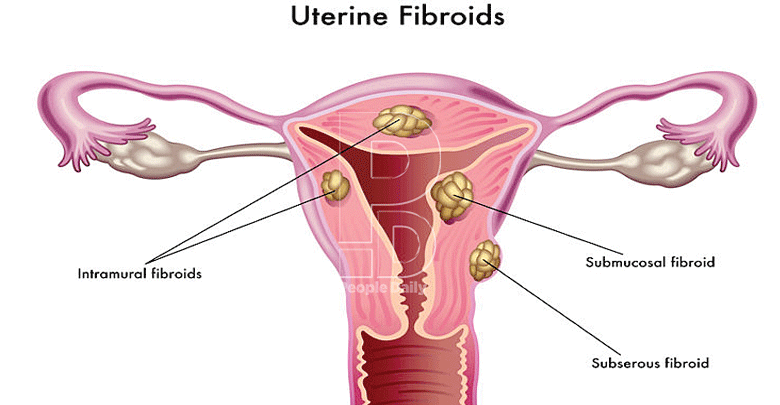
Fibroids develop in or around the uterus and can vary greatly in size. Some women may have a single small fibroid that causes no symptoms, while others may develop multiple large fibroids that interfere with daily life, fertility and overall wellbeing.
According to the NIH, although many fibroids are harmless, some can lead to significant health complications if left untreated.
Heavy periods that affect everyday life
One of the clearest warning signs of fibroids is unusually heavy menstrual bleeding. While every woman’s menstrual cycle is different, periods that soak through sanitary products within a short time, last longer than a week or include large blood clots should not be ignored.
Heavy bleeding can gradually lead to iron deficiency and anaemia, leaving a woman feeling constantly tired, weak or short of breath. According to the World Health Organization (WHO), prolonged heavy menstrual bleeding is one of the leading causes of anaemia among women of reproductive age, making early assessment important.

Persistent pelvic pain and pressure
Fibroids can also cause ongoing pain or a feeling of pressure in the lower abdomen or pelvis. Some women describe it as a constant heaviness, while others experience sharp cramps that are unrelated to their monthly periods.
As fibroids grow larger, they may press against nearby organs such as the bladder or bowel. This pressure can make simple daily activities uncomfortable and may worsen over time if the fibroids continue to increase in size.
The American College of Obstetricians and Gynaecologists (ACOG) notes that larger fibroids are more likely to cause pelvic discomfort, pressure and pain, especially when they distort the normal shape of the uterus.
Frequent urination or constipation
Many women are surprised to learn that bladder and bowel problems can sometimes be linked to fibroids. A growing fibroid may press against the bladder, leading to frequent trips to the toilet or difficulty emptying the bladder completely.
Pressure on the bowel can also contribute to constipation or discomfort during bowel movements. While these symptoms may have several possible causes, persistent changes should always be discussed with a healthcare provider, particularly when they occur alongside heavy periods or pelvic pain.
Pain during intimacy and lower back pain
Fibroids may also cause discomfort during sexual intercourse, particularly when they develop in certain areas of the uterus. Others experience ongoing lower back pain that cannot easily be explained by muscle strain or poor posture.
Although these symptoms may seem unrelated, they can sometimes be the body’s way of signalling that fibroids are affecting surrounding muscles, nerves and pelvic organs.
When to seek medical attention
Not every fibroid requires treatment, but persistent symptoms should never be ignored. Doctors can diagnose fibroids through a pelvic examination, ultrasound or other imaging tests before recommending suitable treatment based on a woman’s age, symptoms and future pregnancy plans.
Treatment options range from regular monitoring and medication to minimally invasive procedures or surgery in more severe cases. Early diagnosis often provides more choices and may help prevent complications such as severe anaemia, fertility challenges or recurrent pain.
Fibroids are common, but living with untreated symptoms does not have to be. Fibroids Awareness Month serves as an important reminder that recognising the warning signs and seeking medical advice early can make a significant difference to a woman’s health and quality of life.