Advertisement
Endometriosis and fertility: What women should know before trying for a baby
19th August, 2026 11:04 PM
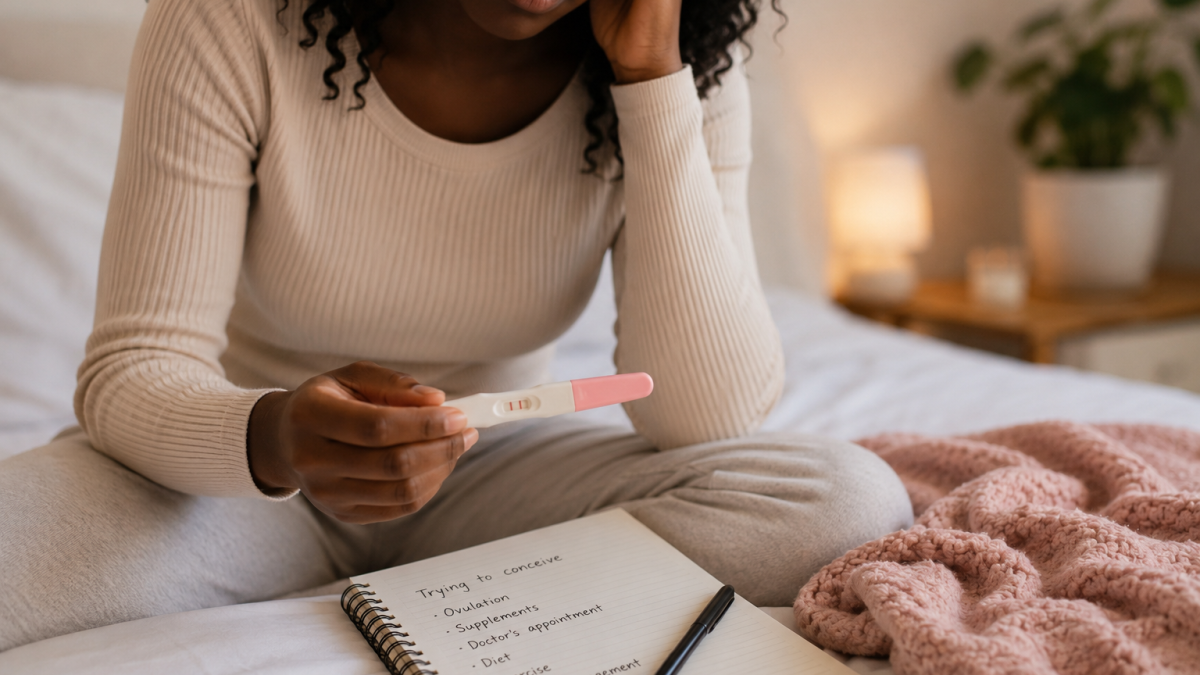
Trying to have a baby is exciting, but for women with endometriosis, it can also come with a quiet worry: Will I be able to get pregnant?
It is a fair question. Endometriosis affects about 10 per cent of women and girls of reproductive age worldwide, according to the World Health Organisation, and infertility is one of the problems associated with the condition. But having endometriosis does not mean motherhood is off the table. Many women with the condition become pregnant, while others may need medical assistance along the way.
Here are five important things to understand before you start trying.
Endometriosis can make pregnancy more difficult
Endometriosis occurs when tissue similar to the lining of the uterus grows outside it. This can trigger inflammation and the formation of scar tissue, which may affect the ovaries, fallopian tubes and other pelvic organs.
The condition can interfere with fertility in several ways. Adhesions can distort the normal anatomy of the pelvis, while inflammation may affect the environment around the egg and sperm. Some women also develop endometriomas, sometimes called “chocolate cysts”, on their ovaries.
However, severity varies greatly. A woman with mild endometriosis may become pregnant naturally, while another with more extensive disease may have difficulty conceiving.
In other words, an endometriosis diagnosis is not a crystal ball. It cannot tell you exactly what your fertility journey will look like.
Your age still matters
Endometriosis may be the loudest thing in the room, but it is not the only factor affecting fertility.
Age plays an important role because egg quantity and quality naturally decline as women get older. This is why reproductive plans should consider both endometriosis and age rather than focusing entirely on the disease.
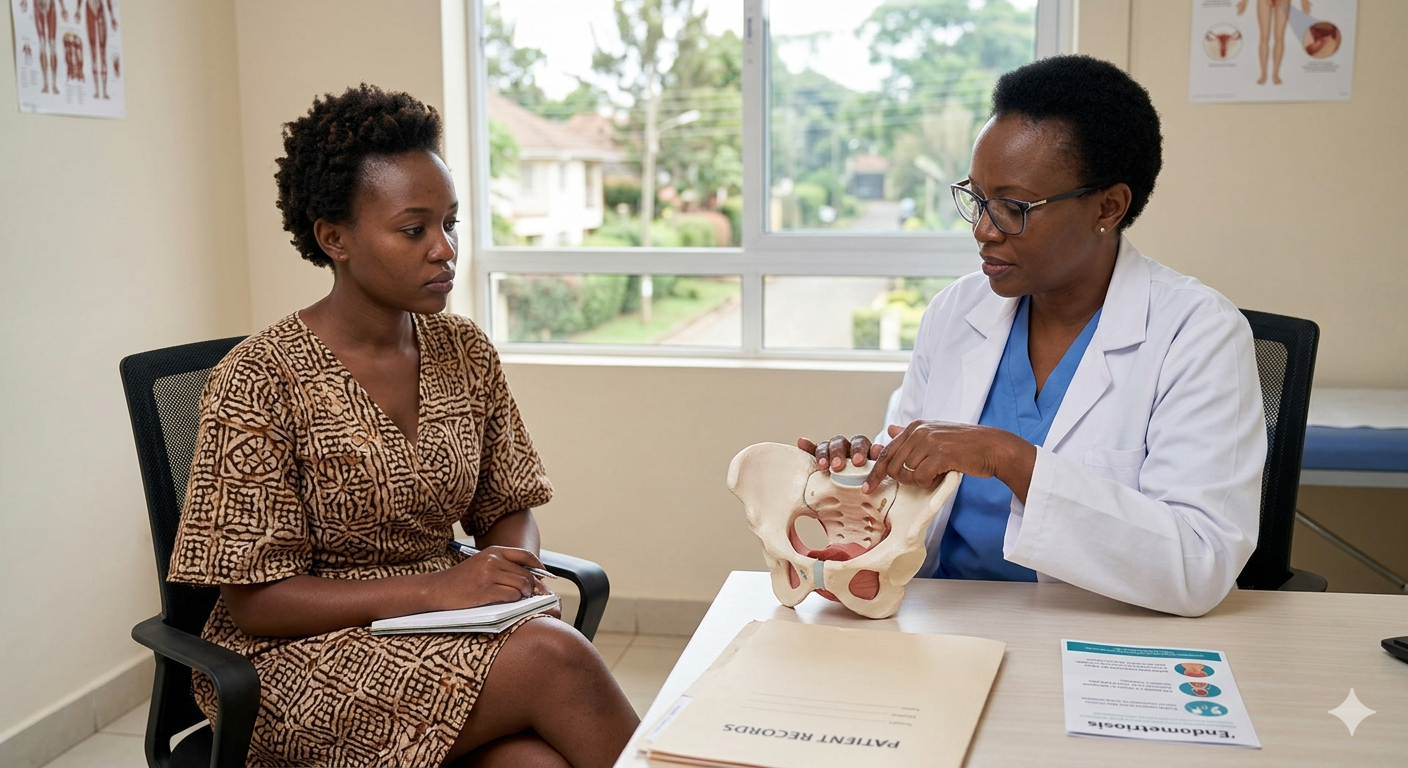
If you know you have endometriosis and hope to have children in the future, discussing your plans with a gynaecologist or fertility specialist can be useful, especially if you have severe disease, ovarian endometriomas or previous pelvic surgery.
The updated NICE fertility guidance recommends considering factors such as age, ovarian reserve, the severity of endometriosis and how long a couple has been trying to conceive when deciding on treatment.
Surgery is not always the first answer
It may sound logical to think, “Remove the endometriosis, and everything will be fine.” Unfortunately, bodies rarely follow such neat instructions.
Surgery can remove endometriosis and adhesions and may help some women become pregnant naturally. However, surgery involving the ovaries can sometimes reduce ovarian reserve, particularly when an ovarian endometrioma is removed.
This is why doctors have to weigh the possible benefits against the risks.
NICE recommends that the decision to perform surgery for endometriosis in women trying to conceive should take factors such as pain, age, previous surgery, other infertility factors and ovarian reserve into account.
So, surgery should be an individual decision rather than something every woman with endometriosis automatically undergoes.
Treatment changes when you want to get pregnant
Many treatments used to control endometriosis symptoms are hormonal. They can be very effective for reducing pain and preventing the disease from becoming more troublesome, but they are not designed to help a woman conceive while she is taking them.
Hormonal treatment can suppress ovulation, which is obviously not particularly helpful when the mission is to get an egg and sperm to meet.
NICE advises against using hormonal treatment alone to improve spontaneous pregnancy rates in women who are trying to conceive.
That does not mean you should suddenly stop your medication if you have endometriosis. Instead, speak to your doctor before changing treatment so that your pain management and pregnancy plans can be considered together.
Fertility treatment can help some women
If pregnancy does not happen naturally, there are several options.
Depending on the circumstances, doctors may recommend continuing to try naturally, surgery, fertility medicines, intrauterine insemination or in vitro fertilisation.
IVF may be considered when endometriosis has affected the reproductive organs, when other fertility factors are present or when pregnancy has not occurred after an appropriate period of trying.
Importantly, not every woman with endometriosis needs IVF. Fertility treatment is based on the individual rather than simply the diagnosis.
The American Society for Reproductive Medicine also notes that fertility decisions should consider factors such as age, ovarian reserve, disease severity, pelvic anatomy and other causes of infertility.
Do not let an endometriosis diagnosis steal your hope
Endometriosis deserves to be taken seriously, particularly when a woman wants to have children. But fear can sometimes make the diagnosis sound more frightening than it needs to be.
Some women with endometriosis conceive without fertility treatment. Others need surgery or assisted reproductive technology. There is no single fertility story that applies to everyone.
If you have endometriosis and are thinking about pregnancy, start the conversation early. A doctor can assess your symptoms, ovarian reserve, previous treatment and overall reproductive health and help you understand your options.
Most importantly, do not blame yourself if conception takes longer than expected. Fertility belongs to both partners, and investigations should consider both the woman and the man.
Endometriosis may make the journey less straightforward, but a difficult road is not the same thing as a dead end.