El Nino: 5 health risks to watch out for during flood season
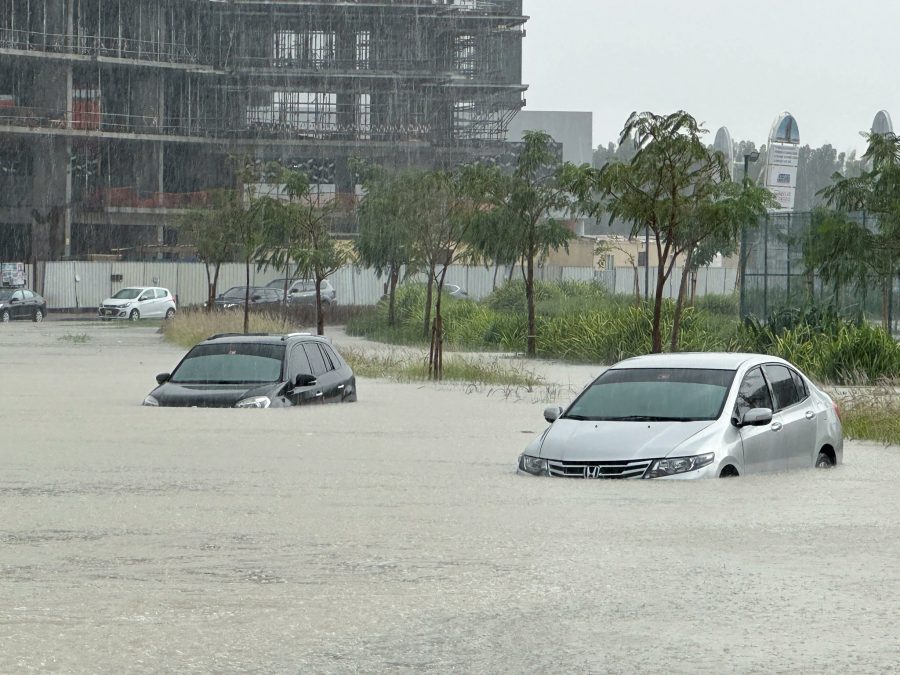
By Cynthia Lodite, September 4, 2026Heavy rains can bring relief after a dry spell, but flooding can also create serious health risks. Floodwater can mix with sewage, waste and other contaminants, while stagnant water can create a breeding ground for mosquitoes.
As Kenya experiences periods of heavy rainfall, knowing the health risks associated with floods can help families take precautions and seek medical attention early when necessary.
1. Waterborne diseases
Floodwater can contaminate drinking water sources with sewage, human waste and other pollutants. This increases the risk of diseases such as cholera, typhoid and diarrhoeal infections.
Avoid drinking water whose safety is uncertain. Where necessary, treat water using an appropriate method and keep drinking water covered and stored safely.
2. Malaria and other mosquito-borne diseases
Flooding can leave pools of stagnant water around homes, roads and open spaces. These areas can provide breeding sites for mosquitoes.
Use mosquito nets when sleeping, wear clothing that covers the skin and get rid of stagnant water around the home where possible. Anyone who develops symptoms such as fever, chills or unusual weakness should seek medical attention.
3. Skin infections
Walking or playing in contaminated floodwater can expose the skin to bacteria, chemicals and other irritants. This may result in skin infections, particularly when someone has cuts or open wounds.
Avoid unnecessary contact with floodwater. If you come into contact with it, wash exposed skin thoroughly with clean water and soap.
4. Injuries and infections
Floodwater can hide dangerous objects such as broken glass, nails, pieces of metal and other debris. People walking through flooded areas can suffer cuts, falls or other injuries.
Do not allow children to play in floodwater, and avoid walking through water when you cannot see what is underneath. Any wound exposed to dirty floodwater should be cleaned promptly, and medical attention should be sought if the injury is serious or shows signs of infection.
5. Respiratory problems
Flooding can leave homes damp for days or weeks. Persistent moisture can encourage mould growth, which may trigger coughing, wheezing and other respiratory symptoms, particularly in people who are sensitive to mould.
Ventilate and dry affected rooms as soon as it is safe to do so. Severely water-damaged areas may require professional cleaning or repairs to prevent continued mould growth.