Advertisement
Why some leftover foods taste even better the following day
27th May, 2026 08:54 AM
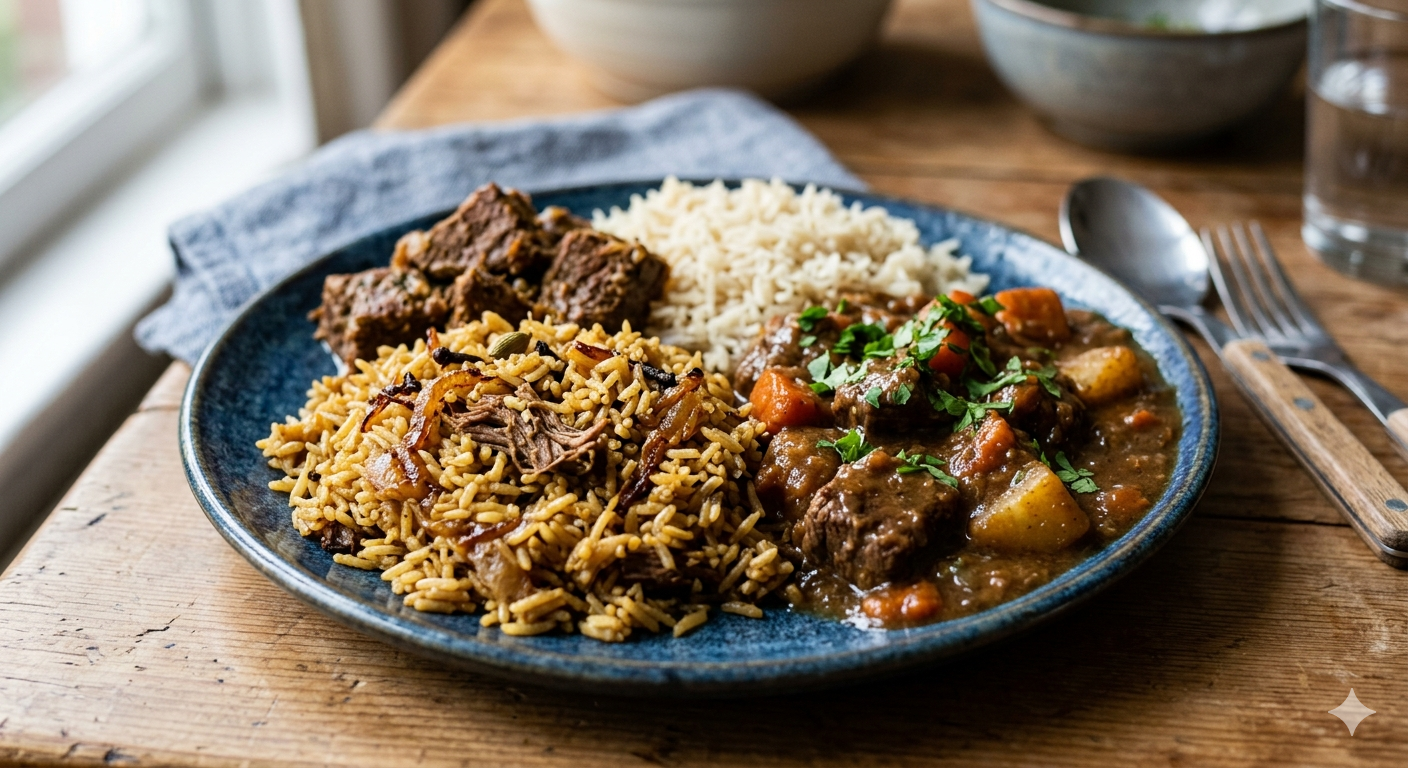
There is something familiar about opening the fridge the morning after a good meal and realising the leftovers smell even better than they did the previous evening. From stews and curries to pizza and rice dishes, some foods seem to improve with time, turning an ordinary meal into something more satisfying the next day.
This happens because ingredients continue blending long after cooking ends. As dishes rest, spices settle, sauces thicken, and flavours deepen. What may have tasted sharp or separate during the first serving often becomes balanced overnight.
Why leftovers sometimes taste better
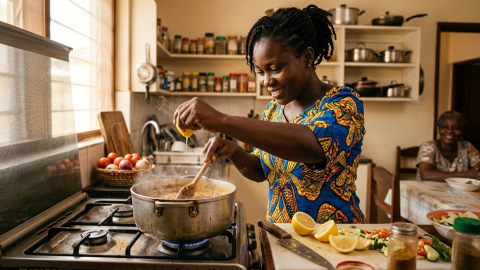
Soups, stews, and curries are among the foods known for developing stronger flavour with time. This is because ingredients like onions, garlic, tomatoes, and spices slowly combine as they cool and reheat.
According to food science explanations shared by Forbes, cooling allows flavour molecules to redistribute evenly throughout a dish, especially in foods cooked slowly over time. Reheating then releases those aromas again, sometimes making the meal smell and taste fuller than before.
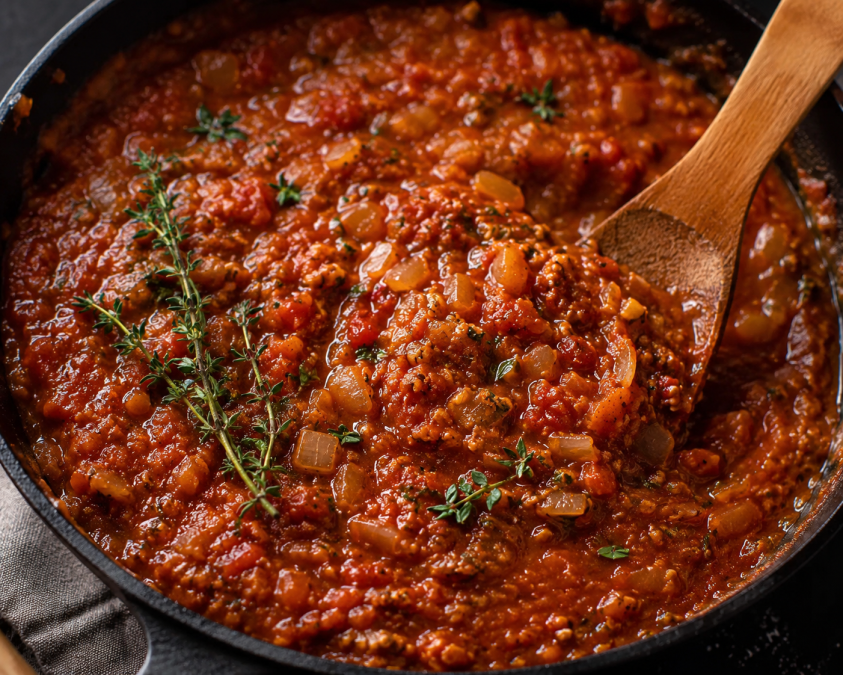
Ingredients such as herbs and spices continue interacting after cooking, which is why many home-cooked dishes feel more flavorful the next day. “Many braised or slow-cooked dishes taste better after resting because the flavors have more time to meld together,” one food science noted.
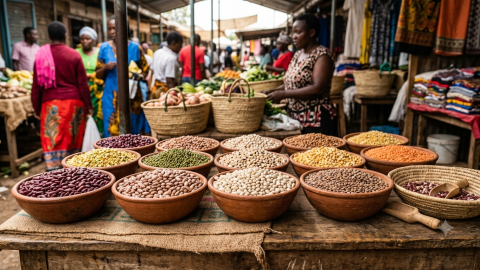
That is why foods like beans, pilau, beef stew, and chapati with sauce often feel more enjoyable after sitting overnight.
Pizza, rice, and pasta also change overnight
Pizza is another surprising example. While freshly baked pizza has a crispy crust and melting cheese, cold or reheated pizza the next day develops a different texture that many people enjoy. The cheese firms slightly while the tomato sauce becomes more concentrated.
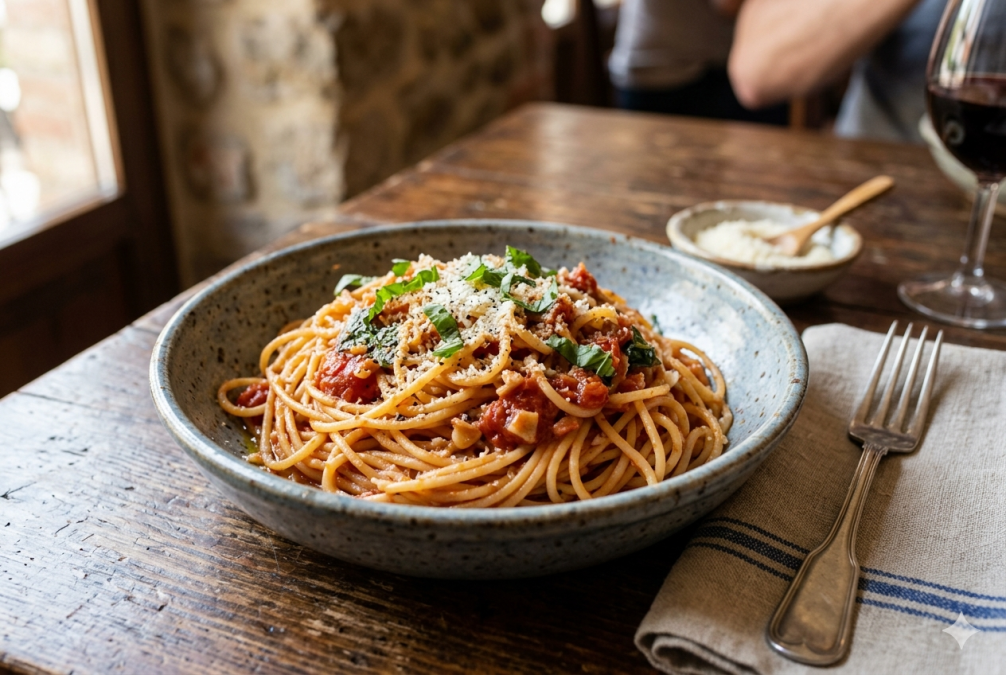
Pasta dishes also tend to absorb sauces overnight, making every bite more flavourful. Lasagna, spaghetti bolognese, and macaroni bakes are often described as tasting more complete the next day because the pasta soaks in the seasoning and sauce.
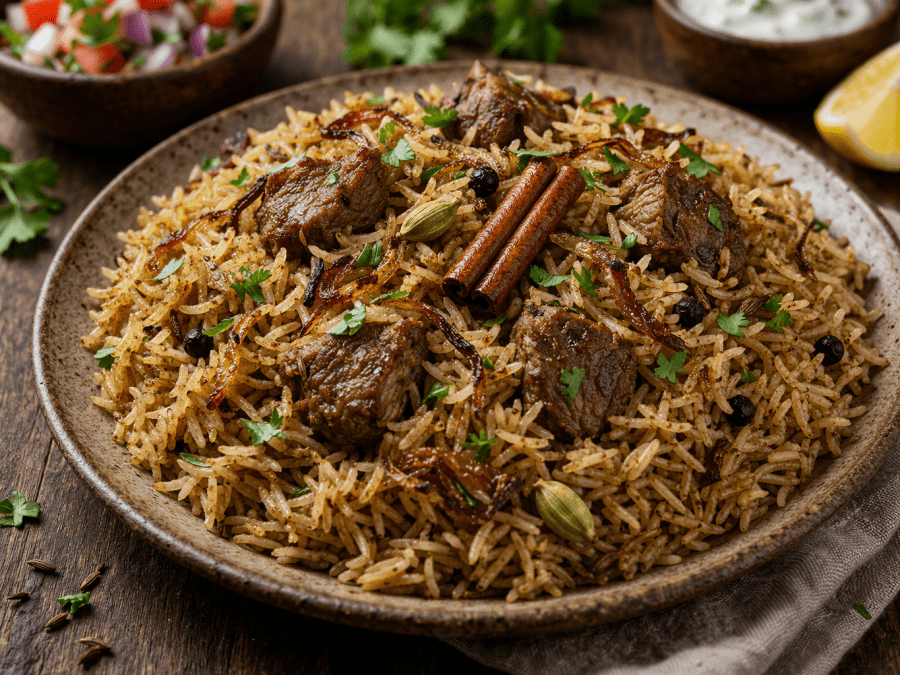
Rice dishes like fried rice, biryani, and pilau also improve because the grains dry slightly in the fridge, helping them hold flavour better during reheating. This is one reason restaurants often use day-old rice when preparing fried rice.
The comfort attached to leftovers
Beyond science, there is also an emotional connection to leftover meals. Eating food the next day often comes with convenience, familiarity, and comfort. A meal that required time and effort suddenly becomes easier to enjoy without the stress of cooking again.
For many households, leftovers also help reduce food waste at a time when food prices continue rising. Instead of throwing away extra portions, families turn them into quick lunches or easy dinners the next day.
Still, experts advise proper food storage to avoid spoilage. The World Health Organization recommended refrigerating cooked food within two hours and reheating it thoroughly before eating.
In many kitchens, leftovers are no longer seen as second-best meals. Sometimes, they become the meal people look forward to most.