Advertisement
Why some Kenyans don’t like eating mutura
23rd May, 2026 03:12 PM
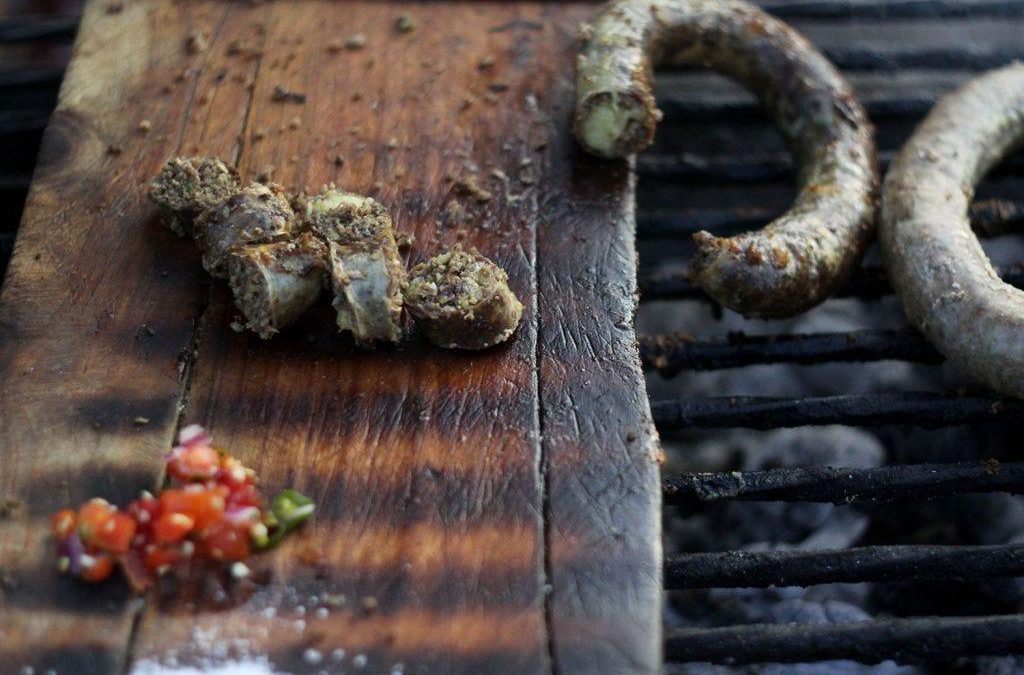
In Kenya, few street foods divide opinion like mutura. To some, it is the king of roadside snacks, smoky, spicy and deeply satisfying after a long evening.
To others, it is a mystery sausage wrapped in suspicion, whispered rumours and hygiene fears.
Mention mutura in a crowded matatu stage or outside a local butchery, and you will instantly trigger a debate.
One person will swear it is tastier than expensive fast food. Another will insist they would rather stay hungry than risk eating it.
So what exactly is mutura, how is it prepared, and why do so many Kenyans approach it with caution?
The famous Kenyan “African sausage”
Mutura is a traditional Kenyan sausage commonly sold in butcheries, roadside joints and open-air meat stalls.
It is especially popular in Nairobi and Central Kenya, although it is now found almost everywhere in the country.
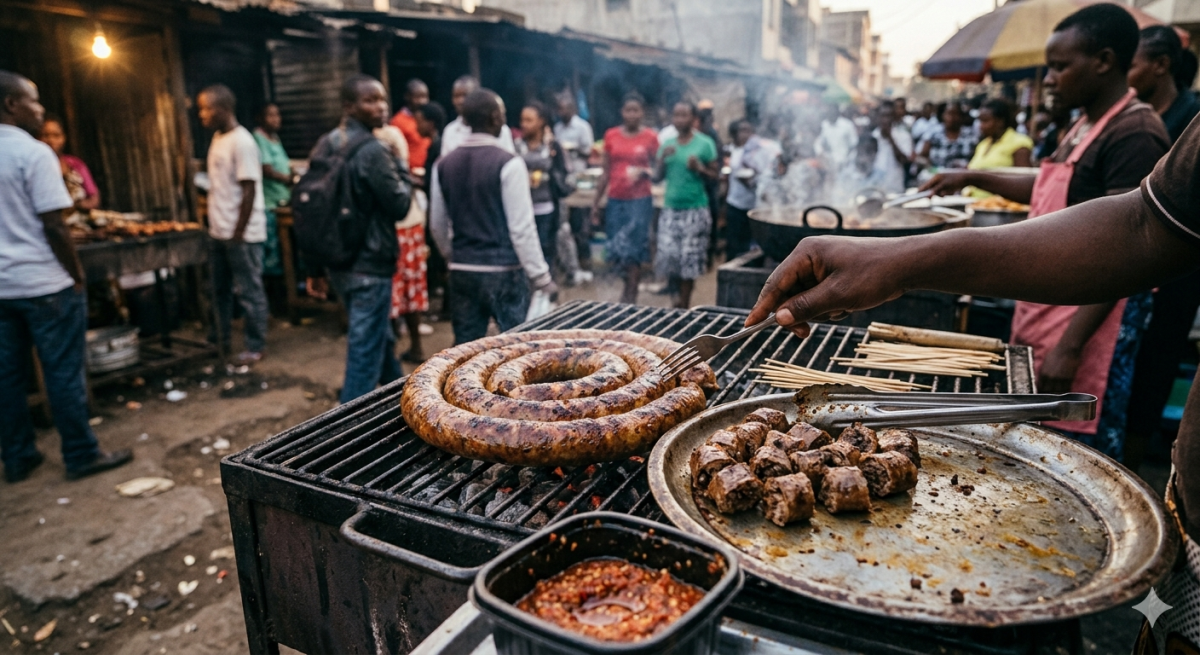
The sausage is typically made using cleaned animal intestines stuffed with minced meat, tripe, fat, spices and sometimes fresh blood.
Once stuffed, it is grilled over charcoal until the outer layer becomes crispy and smoky.
The dish has deep cultural roots among communities such as the Agikuyu, where it was prepared during ceremonies, family gatherings and communal feasts.
Traditionally, it symbolised resourcefulness because almost every edible part of a slaughtered animal was utilised.
Today, mutura has evolved into one of Kenya’s most recognisable street foods. It is often served chopped into pieces on a wooden board alongside kachumbari and chilli.
How mutura is prepared
The preparation process varies from one seller to another, but the traditional method follows several common steps.
First, the intestines of a goat or cow are thoroughly cleaned. Meat, tripe and fat are then chopped or minced into small pieces.
Spices such as black pepper, coriander, garlic, ginger, onions and chilli are added for flavour.
Some recipes also mix in fresh animal blood to bind the filling and give mutura its rich dark appearance.
The mixture is then stuffed into the intestines and tied at both ends before being grilled over hot charcoal.

Many Kenyans say the taste depends entirely on who prepares it. A well-made mutura can be smoky, juicy and heavily spiced.
A poorly made one can taste rubbery, bitter or dangerously undercooked.
Some modern vendors have even introduced new versions such as cheese-filled mutura in an attempt to modernise the delicacy and attract younger customers.
Why many Kenyans do not trust mutura
Despite its popularity, mutura carries a reputation that scares away many consumers.
The biggest issue is hygiene.
Unlike packaged sausages sold in supermarkets, mutura is mostly prepared in open environments where sanitation standards differ greatly.
Many roadside stalls operate without visible handwashing stations, refrigeration or proper food handling systems.
A study highlighted by Kenyan researchers found that many mutura samples collected in Nairobi contained harmful bacteria, including E. coli, Streptococcus, Bacillus and Staphylococcus.
Researchers warned that the contamination could expose consumers to diarrhoea, vomiting and other food-borne illnesses.
Online discussions among Kenyans also reveal widespread anxiety about how some mutura is handled.
On Reddit, some users described becoming sick after eating roadside mutura, while others joked that seeing the preparation process would permanently destroy one’s appetite for it.
Another concern comes from persistent rumours about suspicious meat sources.
Across Kenyan towns, stories often circulate that some rogue vendors mix mutura with rotten meat or meat from animals unfit for human consumption.
In extreme rumours, some people even claim stray dogs or cats occasionally end up in cheap street meat products.
There is little verified evidence directly linking mutura sellers to widespread use of dog or cat meat.
However, the fear persists because street food consumers rarely know exactly where the meat originated or how long it has been stored.
The secrecy surrounding ingredients fuels mistrust. Unlike formal restaurants, many roadside mutura stalls provide no traceability or inspection records.
For cautious consumers, that uncertainty alone is enough reason to avoid it.
Yet millions of Kenyans still love it
Even with all the fears, mutura remains hugely popular.
Part of its appeal is affordability. For years, mutura has offered cheap protein to ordinary Kenyans who cannot regularly afford expensive meat cuts or restaurant meals.
It is also tied to Kenyan nightlife and social culture. Mutura stalls often attract crowds after work, outside bars or in busy estates where friends gather to eat, joke and socialise.
Many consumers argue that the best mutura is fresh, homemade and prepared at trusted butcheries. Some even insist it tastes better than imported sausages and fast foods.
To loyal fans, mutura is more than just food. It is nostalgia, street culture and a uniquely Kenyan culinary identity.
The thin line between delicacy and danger
Mutura represents both the brilliance and risks of informal street food culture.
When properly prepared using fresh meat, clean intestines and hygienic cooking practices, it can be a rich and flavourful traditional delicacy.