Advertisement
Why pre-boiling cassava is the secret to making the crunchiest fries
13th August, 2026 07:17 AM
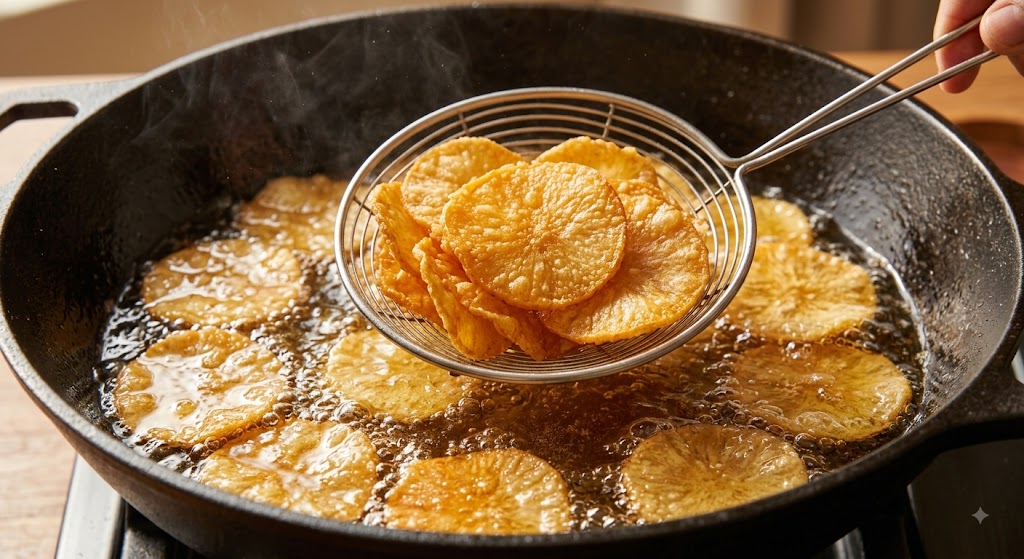
Plantains can go straight from the cutting board into hot oil and turn out crisp. Cassava, on the other hand, acts differently when fried raw.
Uncooked cassava slices usually turn dark on the edges, stay hard, and end up chewy inside. Getting a golden chip with a deep crunch and a soft centre takes just one simple step before frying: a quick pre-boil.
The science behind the surface crunch
The secret comes down to starch gelatinisation. Cassava roots are packed with tightly bound starch granules.
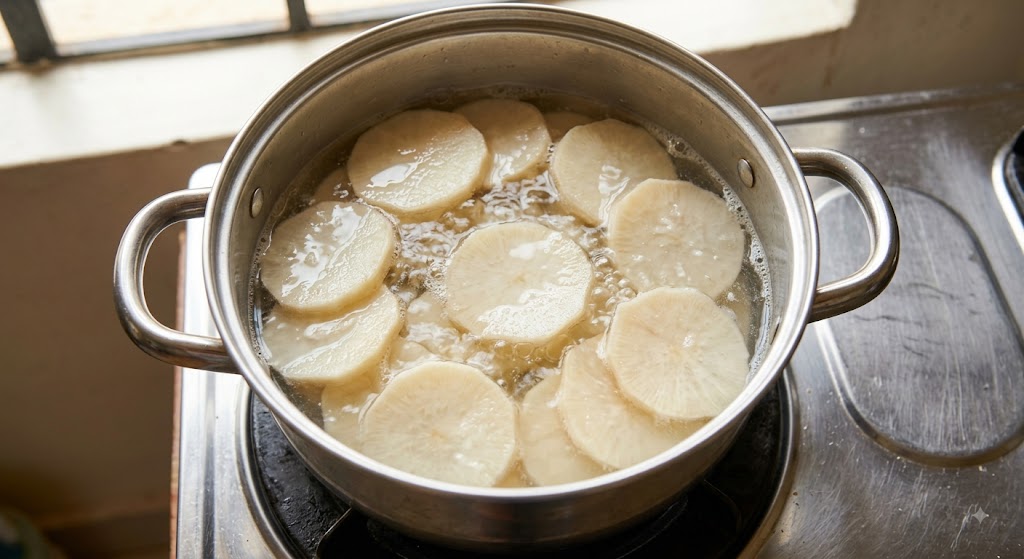
When raw cassava slices cook in salted water for a few minutes, those surface starch granules absorb water, swell up, and break open. This forms a thin, sticky starch layer on the outside of each slice.
Peer-reviewed research published by Vargas-Aguilar shows that “Yuca starch has a relatively low gelatinization temperature as compared to those of other starches, which varies between 49 and 64 °C.”
Because cassava starch breaks down at this modest temperature, a short simmer transforms the outer layer before the inside turns to mush. When these slices hit hot oil, water in that outer starch layer turns into steam and evaporates rapidly.
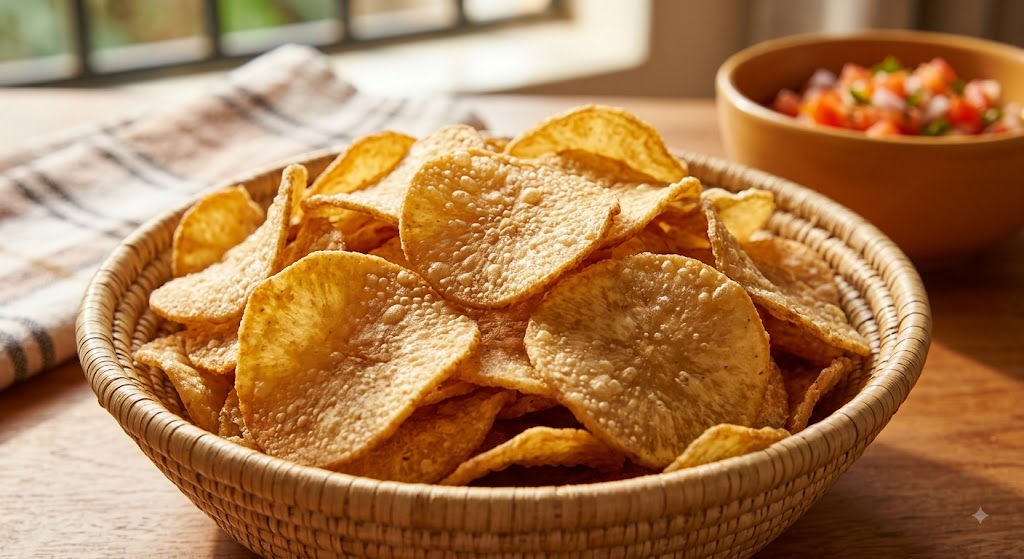
The starch hardens into a crisp shell that seals the slice, keeping the inside soft while the outside turns golden and crunchy.
Practical steps for everyday kitchens
Making these chips at home requires basic kitchen tools. Start by peeling fresh cassava tubers and removing the tough, woody core in the centre. Slice the cassava into thin chips or uniform strips.
Put them in a pot of salted boiling water and cook for 5 to 7 minutes, just until the edges start to look translucent.
Drain the slices well and spread them out on a clean cloth to air-dry completely. Removing surface water prevents oil spattering and keeps the oil hot.
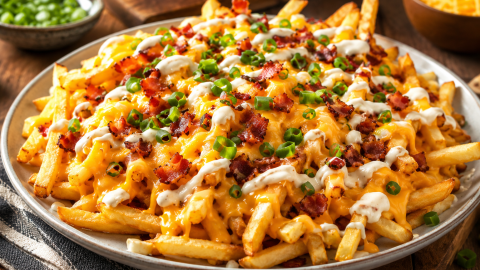
Fry the dried slices in hot vegetable oil in small batches for 3 to 4 minutes until light golden brown. This simple technique turns a basic local root crop into a crunchy homemade snack for less than Ksh150 a plate.