Why freezing affects the taste and texture of different foods
By Katemarthason Okudo, July 24, 2026Freezing is one of the easiest ways to keep food from going to waste, but anyone who has thawed a tomato or reheated frozen bread knows that not every food comes out the same. Some foods hold their flavour and texture surprisingly well, while others become watery, soft or lose part of their original taste.
The difference lies in what happens inside the food during freezing. Water naturally found in food turns into ice crystals. As these crystals form, they can damage the tiny structures that give food its firmness and fresh texture. Once thawed, some foods release the trapped moisture, changing both how they feel and how they taste.
According to the USDA, freezing preserves food by slowing the growth of microorganisms and reducing enzyme activity, although changes in texture can still occur because of ice crystal formation.
Why vegetables often become softer
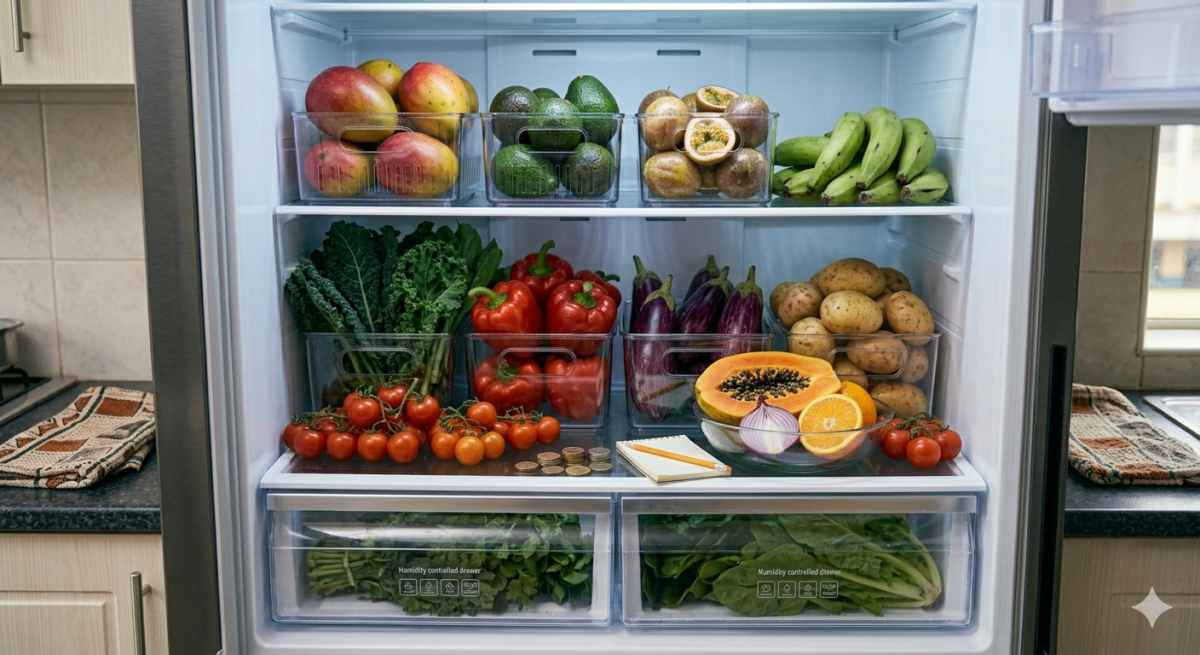
Many vegetables contain a large amount of water. When frozen, the water expands and forms ice crystals that break down plant cells. Once thawed, vegetables such as tomatoes, cucumbers and lettuce lose their crispness and often become soft.
This is why frozen vegetables are usually best suited for soups, stews, curries and sauces rather than fresh salads. Vegetables like peas, carrots and sweetcorn freeze much better because they are commonly blanched before freezing, helping preserve their colour, flavour and nutrients.
Why fruits can become watery
Fruits also contain plenty of water, making them vulnerable to texture changes after freezing. Berries generally hold up well, but softer fruits such as peaches, mangoes and bananas may become mushy after thawing.
Although their texture changes, frozen fruit remains an excellent choice for smoothies, desserts and baking. Much of the nutritional value is retained, making frozen fruit a convenient alternative when fresh produce is out of season.
The Academy of Nutrition and Dietetics notes that frozen fruits and vegetables can retain most of their nutrients when they are frozen soon after harvesting, even if their texture changes after thawing.
Why bread freezes surprisingly well
Bread is among the foods that respond well to freezing. Because it contains less free water than many fruits and vegetables, its structure remains largely intact.
When thawed naturally or warmed in an oven or toaster, bread often regains much of its original softness. Freezing can even help households reduce food waste by allowing extra loaves to be stored for weeks instead of being thrown away.

Why meat keeps its flavour
Fresh meat generally freezes well if wrapped properly. Freezing slows the growth of bacteria and helps preserve quality.
However, poor packaging can expose meat to air, leading to freezer burn. While freezer-burned meat is usually safe to eat, dry patches may develop and the flavour can become less enjoyable.
Proper packaging and maintaining a constant freezer temperature help protect both taste and texture.
Why dairy products react differently
Not all dairy products freeze equally well. Hard cheeses often freeze successfully, although they may become slightly crumbly once thawed. Milk can separate, while yoghurt may lose its smooth consistency.
Cream-based sauces are especially likely to split after thawing because fat and water separate during freezing. These products are still usable in cooking, but they may not have the same texture as when fresh.
Why cooked meals often freeze better
Many cooked dishes actually benefit from freezing. Soups, casseroles, stews and pasta sauces usually retain both flavour and texture because their ingredients have already been softened during cooking.
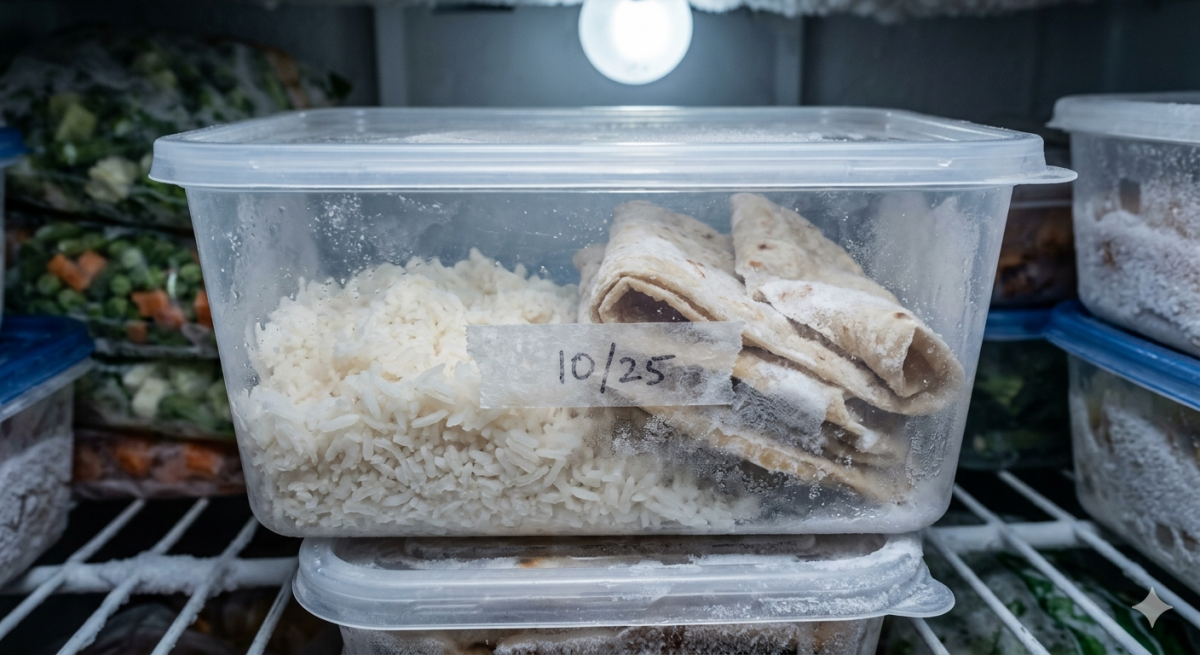
These meals are ideal for batch cooking, allowing families to prepare food in advance without sacrificing much quality.
Freezing is about preserving, not improving
Freezing is one of the safest and most practical ways to extend the life of food, but it does not affect every ingredient in the same way. Foods rich in water are more likely to change in texture, while breads, meats and many cooked meals usually freeze well when stored correctly.
Understanding how different foods react to freezing can help people choose the best storage method, reduce unnecessary waste and enjoy meals that remain both safe and satisfying long after they have been prepared.