Why apples sold in supermarkets have unique stickers
By Katemarthason Okudo, August 5, 2026A trip to the supermarket often ends with a bag of fresh apples in the shopping basket. Before taking a bite, many people peel off the small sticker attached to the fruit without giving it much thought.
While it may seem like a simple label or a place for the price, that tiny sticker plays an important role in the journey of an apple from the farm to the supermarket shelf.
According to the Produce Standards, the sticker carries a Price Look-Up (PLU) code, a globally recognised number used to identify fresh produce. The code tells retailers exactly what type of apple is being sold, making it easier to distinguish between different varieties, even when they look similar.
This system helps cashiers charge the correct price, allows supermarkets to manage stock efficiently, and reduces errors during checkout. It also creates consistency, meaning the same variety of apple can be identified using the same code in many parts of the world.
How the sticker supports food safety
Beyond helping at the checkout, the sticker contributes to food safety and product traceability.
According to the Food and Agriculture Organization (FAO), traceability is an important part of modern food systems because it allows food products to be tracked throughout the supply chain.
If a batch of fruit is found to have a quality or safety issue, suppliers can trace where it came from and identify where it was distributed.
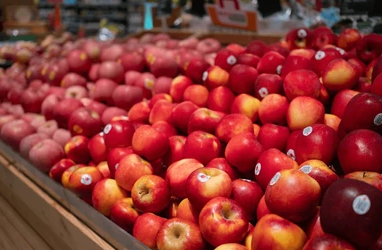
This makes it easier for supermarkets to remove affected produce quickly, protecting consumers and reducing unnecessary food waste.
The stickers are made using food-grade adhesive that is designed to remain attached during harvesting, packing, transport and display. Although the adhesive is considered safe, consumers are still advised to remove the sticker before eating the fruit.
What the numbers on the sticker can tell you
The PLU code can also provide useful information about how the fruit was grown.
According to the IFPS, conventionally grown apples are commonly identified using a four-digit PLU code. Organic apples often have a five-digit code beginning with the number nine. This helps retailers separate organic and conventional produce while giving shoppers more confidence in the products they choose.
Although not every consumer pays attention to these numbers, they form part of an international system that keeps the fresh produce industry organised.
Why apples and other fruits turn brown after being cut
Once the sticker has been removed and the apple is sliced, another interesting process begins. Leave the pieces exposed to air for a few minutes, and the bright white flesh gradually turns brown.
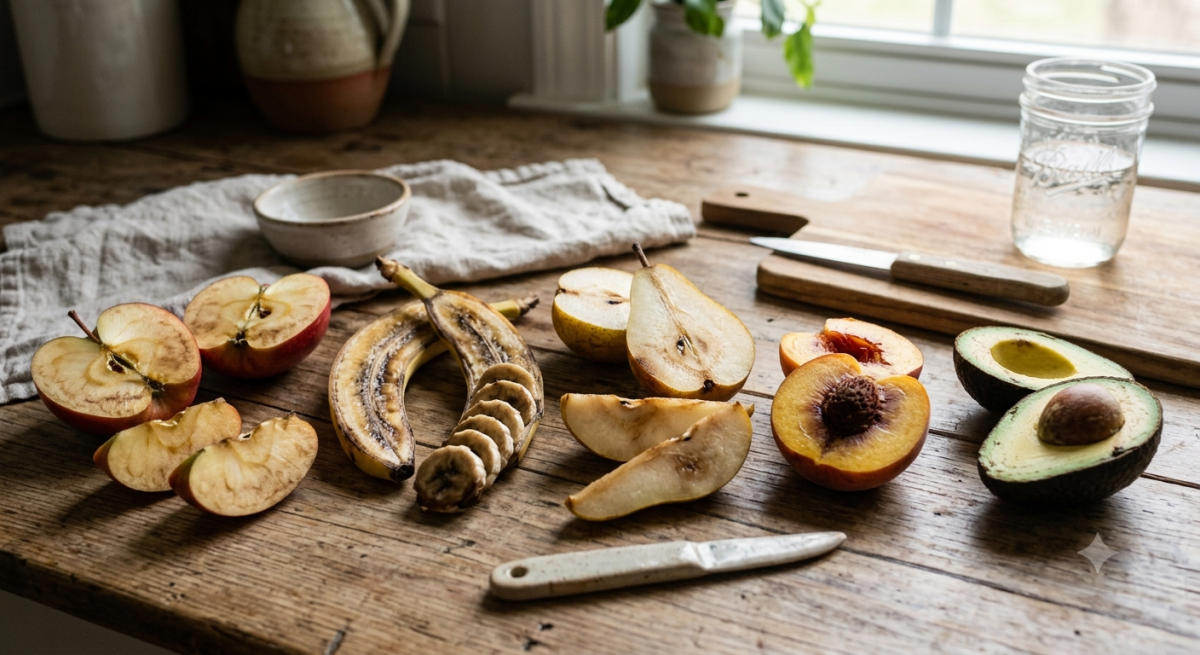
According to the United States Department of Agriculture (USDA), this happens through a natural process known as enzymatic browning. When a fruit is cut, bruised, or bitten into, its cells break open. An enzyme called polyphenol oxidase reacts with oxygen in the air, producing brown pigments on the surface.
Apples are well known for this reaction, but they are not the only fruits that change colour. Pears, bananas, avocados, peaches, apricots and some varieties of mangoes also brown after being cut and exposed to air.
While the colour change may make the fruit appear less fresh, it does not necessarily mean it has spoiled. In most cases, the fruit remains safe to eat if it has been stored properly.
Simple ways to keep cut fruit looking fresh
Fortunately, there are several easy ways to slow down the browning process.
Adding a little lemon, lime, or orange juice to freshly cut fruit helps slow the reaction because the natural acids reduce the activity of the enzyme responsible for browning. Storing sliced fruit in an airtight container and refrigerating it also limits exposure to oxygen, helping preserve its appearance.
Some households also soak apple slices briefly in cold salted water before rinsing them. This simple kitchen trick can delay browning without significantly changing the fruit’s taste.