Advertisement
Why adding milk to some foods can change their taste and texture
18th August, 2026 11:50 AM

Milk has long been considered more than just a drink. In many kitchens, it is used as an ingredient that transforms ordinary meals into richer and more satisfying dishes.
From creamy mashed potatoes to soft porridge and homemade sauces, milk can significantly change how food tastes and feels. It can make meals smoother, creamier and more balanced while also improving their nutritional value.
Many people add milk to food simply because a recipe calls for it. However, food experts say there is more science behind this simple cooking practice.
According to research published in Food Research International, milk proteins interact with other ingredients and can influence how flavours and aromas are released during cooking. This affects both taste and texture in the final dish.
How milk changes the texture of food
One of milk’s most important qualities is its ability to bind with water, starch and fat. This interaction helps create a softer and creamier texture.
For example, when milk is added to mashed potatoes, the potatoes become lighter and smoother. When it is mixed into porridge, the meal becomes creamier and less watery. Milk can also thicken soups and sauces. The proteins and fats found in milk help create a richer consistency that many people associate with comfort foods.
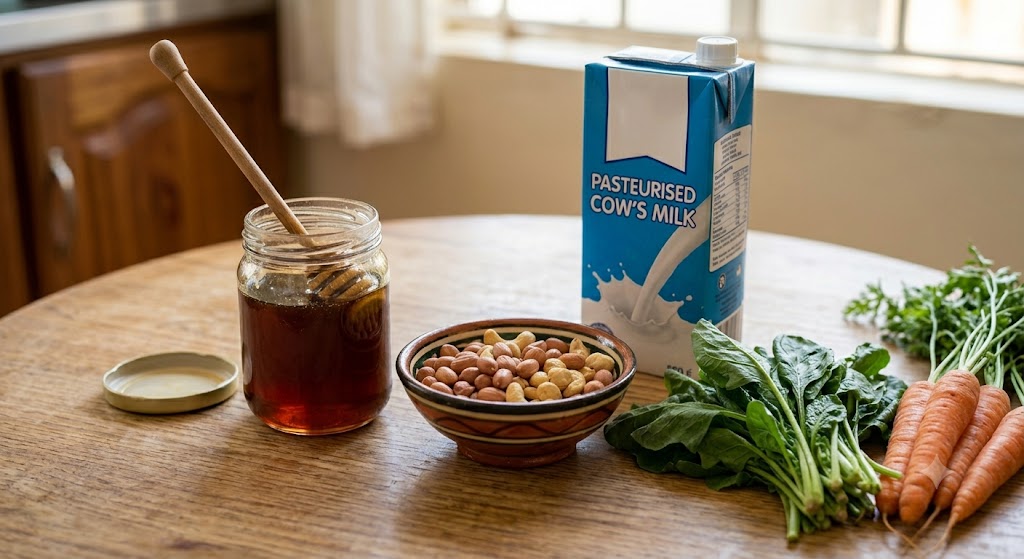
Studies on dairy ingredients have shown that milk proteins contribute to viscosity, water retention, and gel formation, all of which influence the texture of food.
Foods that taste better when milk is added
Several everyday meals can be prepared using milk. Porridge is perhaps one of the most common examples. Adding milk gives it a richer flavour while also increasing its protein and calcium content.
Milk is also commonly added to:
1. Mashed potatoes
2. Macaroni and cheese
3. Cream-based soups
4.Pancakes
4. Fish stew
5. White sauces
6. Oatmeal
7. Rice pudding
8. Scrambled eggs
9. Baked dishes
In baking, milk improves moisture and contributes to a softer texture in cakes, muffins and bread. In sauces, it reduces sharp flavours and creates a smoother finish.
Milk can balance strong flavours
Certain ingredients have powerful flavours that may dominate a dish. Milk helps soften some of these stronger tastes by creating a more balanced flavour profile.
This is one reason why cream and milk are often used in tomato-based pasta sauces and spicy dishes. The fat in milk can reduce the intensity of acidic or spicy ingredients.
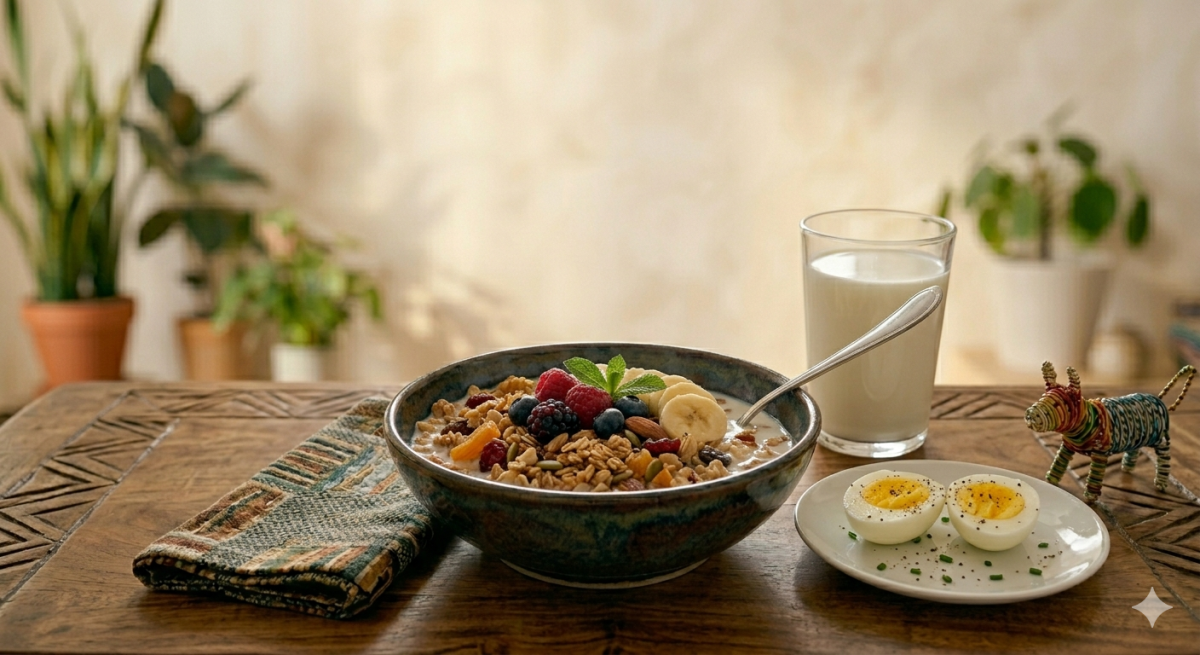
Milk also affects how aromas are released during cooking. Some flavour compounds attach themselves to milk proteins, which can change how people experience a meal.
The nutritional benefits of adding milk to food
Besides improving taste and texture, milk can increase the nutritional value of many meals. Milk contains protein, calcium, potassium and several vitamins that support bone health and muscle function.
Adding milk to breakfast foods such as oats or cereal can increase protein intake and make meals more filling. Children, older adults and people with increased nutritional needs may especially benefit from meals prepared with milk.
However, balance remains important. Excessive amounts can increase calories and alter the natural flavour of some foods.
Cooking often depends on small adjustments that produce noticeable results. Milk may appear to be a basic ingredient, but its ability to soften, thicken and enrich food explains why it remains an important part of many recipes.