The truth about margarine versus butter
By Dan Kauna, July 6, 2026For decades, the breakfast table has hosted a quiet but steady debate. On one side is butter, loved for its natural dairy taste. On the other side is margarine, the affordable, plant-based tub that has coated morning bread for generations.
Many shoppers find themselves caught between conflicting health advice, wondering which choice is truly better for their wellbeing. Fortunately, food science has settled the argument, and the answer comes down to a major change that many consumers missed.
The truth about trans fats
To understand where the science stands today, it helps to look at how margarine is made. In the past, the biggest health worry with margarine was trans fats.
Manufacturers created these fats through a process called partial hydrogenation, which turned liquid vegetable oils into solid blocks. While this kept the product fresh for longer, medical experts found that trans fats raised bad cholesterol and clogged arteries.
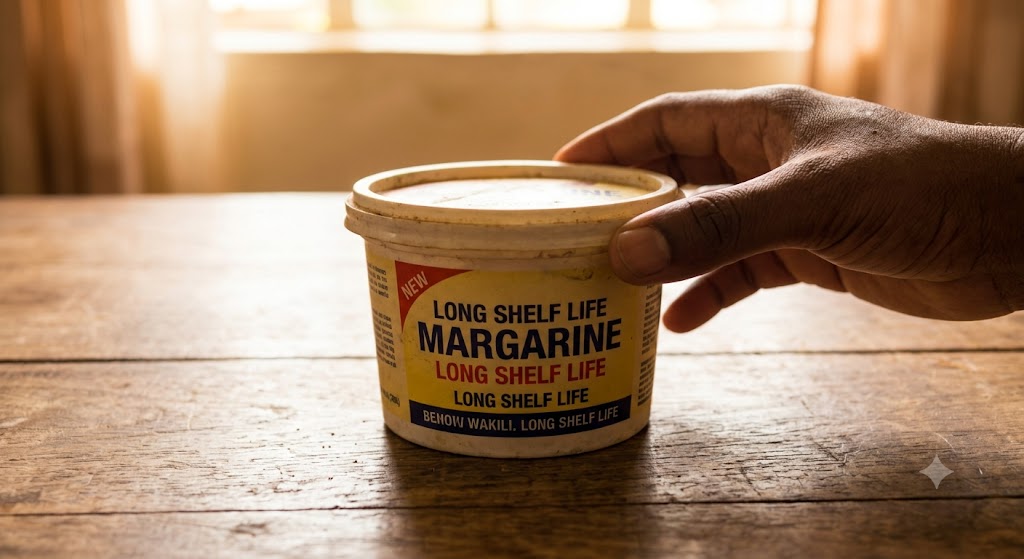
Because of these health risks, food regulators worldwide took action. For example, the United States Food and Drug Administration banned partially hydrogenated oils in a directive that took effect on June 18, 2018.
Following these global safety standards, Kenyan manufacturers changed their recipes to remove these harmful fats entirely. The standard tub of margarine retailing at local supermarkets today is completely different from the versions sold years ago.
Now that trans fats are gone from major brands, the old belief that margarine is toxic is simply outdated.
Balancing the fats
With trans fats out of the equation, the choice between butter and margarine comes down to a simple trade-off between saturated and unsaturated fats.
Butter comes from animal cream, meaning it is naturally high in saturated fat. Eating too much saturated fat can raise your risk of heart complications over time.
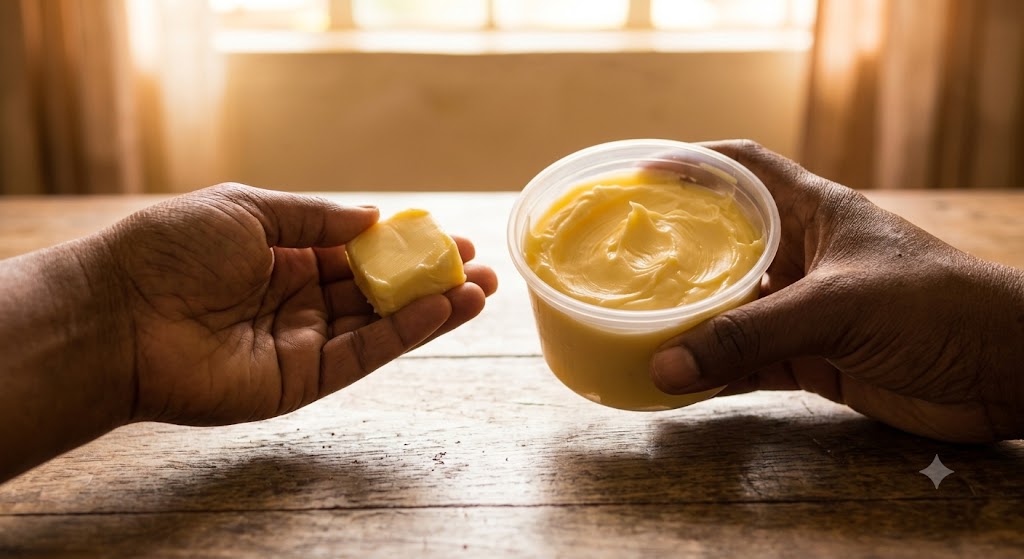
Margarine, being made from plant oils, is mostly packed with healthier unsaturated fats.
This difference is exactly why modern dietary guidelines have shifted.
A peer-reviewed study published in the journal Public Health Nutrition examined how modern spreads stack up. The researchers found that “leading brands of margarine/margarine-like and butter blend products examined in this study were found to be in greater alignment with current dietary recommendations for fatty acids and cholesterol than butter.”
This means modern margarine is no longer the health hazard it used to be. For people looking to protect their heart health and manage cholesterol, the unsaturated fats in modern margarine give it a clear edge.
Butter remains a rich, natural option, but it is best enjoyed in moderation.