Advertisement
The role of food in Kenyan weddings, Ruracios and family gatherings
23rd August, 2026 02:53 PM
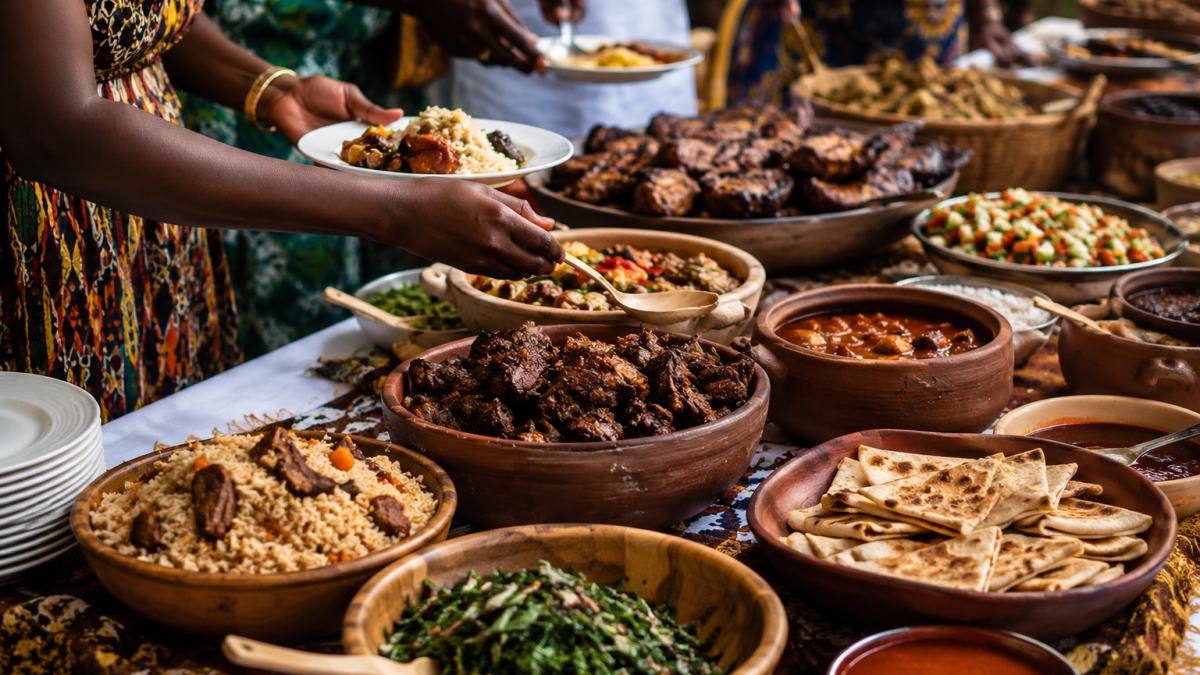
In Kenya, you can forget the flowers, the matching outfits and even the beautifully decorated cake for a moment. If you want to know whether a wedding or family gathering went well, ask about the food.
Was the nyama choma tender? Did the chapati disappear before everyone sat down? Was there enough pilau? Did the aunties manage to sneak some meat into containers before the guests left? These are not small details. In many Kenyan families, food is part of the celebration itself.
From ruracios and traditional weddings to birthdays, graduations, funerals and ordinary family reunions, food brings people to the same table and gives the occasion its character. It can convey generosity, respect, acceptance, and family pride without anyone having to give a speech.
Food is also deeply tied to Kenyan wedding traditions. Traditional marriage ceremonies differ from one community to another, but many place a strong emphasis on bringing families together, sharing meals and observing hospitality. Research on Kenyan marriage practices also shows that marriage is often a process through which families and wider kin networks become connected, rather than simply a private arrangement between two people.
Food is part of the welcome
At a Kenyan gathering, telling a guest to sit down is often only the beginning. The real welcome comes when someone asks, “Umeshakula?”
Food is one of the clearest ways families show that visitors are important. At large gatherings, there can even be an expected order of serving, with children, important guests and the main families being attended to before the wider crowd.
This explains why Kenyan hosts can become slightly nervous when the number of guests starts multiplying. A wedding planned for 300 people can somehow attract 450, because someone brought a cousin, the cousin brought a friend and an uncle who was not expected has arrived with three grandchildren.
Nobody wants to be the family that ran out of food.
Ruracio is about more than negotiations
Ruracio, particularly among the Agikuyu, is traditionally a significant stage in the marriage process where the two families formally meet and discuss the union. Modern ceremonies may look very different from those of previous generations, but food remains part of the gathering and the hospitality surrounding it.
In some Kikuyu ceremonies, foods such as mukimo, njahi, bananas, chapati and meat have traditionally appeared on the table. Mukimo, in particular, remains closely associated with ceremonies and family occasions.
The meal therefore becomes another way of saying: these people have come to our home, they are welcome here, and today matters.
It is also why food preparation before a ruracio can become a family project. Someone is chopping vegetables, someone is preparing meat, someone is making chapati and another person is supervising everything while claiming not to be supervising anything.
Every community has its own story
Kenya’s diversity becomes particularly visible around the food served during celebrations.
At some Luo weddings, fish, chicken, ugali and other traditional dishes feature prominently, reflecting the food culture of western Kenya and the Lake Victoria region. Among the Luhya, traditional wedding feasts can include millet ugali and chicken, while different parts of the country have their own foods associated with important occasions.
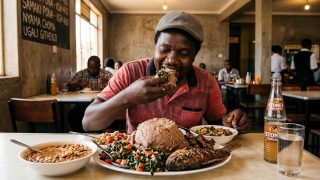
Even the wider Kenyan wedding menu has evolved. Pilau, biryani, chapati, nyama choma, rice, chicken, beef and vegetables now sit comfortably beside traditional dishes, creating the familiar Kenyan buffet that seems designed to make every guest leave carrying their plate with both hands.
This mixture is important because modern Kenyan celebrations are increasingly combining cultural traditions with contemporary tastes.
Food can carry family history
A plate of food can tell a story that a photograph cannot.
A particular vegetable may remind someone of their grandmother. A certain style of chicken may come from a rural home. A recipe may have been passed from mother to daughter for decades. Even the way chapati is folded, meat is served or vegetables are prepared can carry memories.
Traditional food is therefore not simply about eating. It can preserve identity.
This is particularly visible during weddings, when families are introducing their traditions to one another. The meal becomes a quiet cultural exchange. You taste what the other family considers special, and suddenly the two sides have something else to discuss besides dowry negotiations.
Food also creates community
One of the most beautiful things about Kenyan celebrations is that food rarely belongs to one person.
Large family occasions depend on collective effort. Relatives cook, serve, wash dishes, organise tables, deliver food and keep checking whether the elders have eaten. The kitchen becomes almost as busy as the main event.
This communal approach can be seen beyond weddings. Traditional knowledge collected in Busia, for example, documents foods prepared for weddings, graduations and family farewells, showing how meals are woven into major moments of family life.
The food becomes a physical expression of togetherness.