Advertisement
The difference between boiling, steaming and blanching foods and when to use each
25th July, 2026 01:23 PM
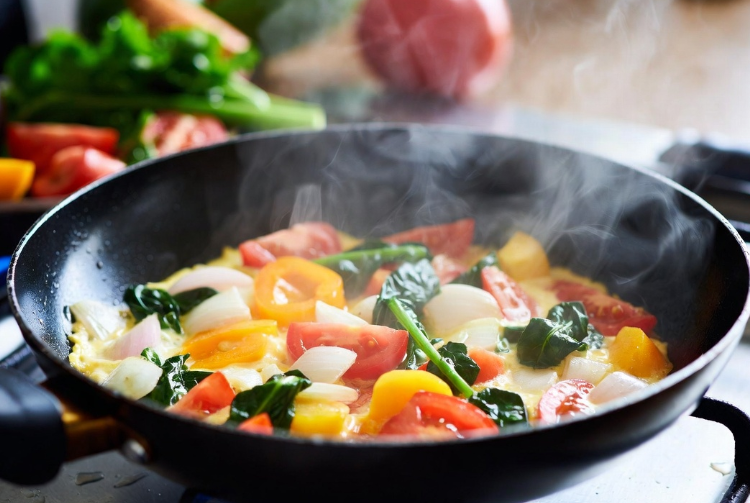
Walk into any Kenyan kitchen and you will find all three methods in use, often without anyone stopping to ask why. Sukuma wiki gets boiled, cabbage gets steamed for a party, and green beans get a quick dip before freezing. Yet each technique does something different to food, and mixing them up can mean losing flavour, colour or nutrients without realising it.
What boiling actually does
Boiling is the most familiar method: food goes fully into water that has reached its highest possible temperature, and it stays there until cooked through. It is reliable and quick for staples such as potatoes, rice, maize and beans, where softness matters more than crunch. The catch is that vegetables lose more of their water-soluble vitamins this way, since they sit directly in the water for longer.
According to The NIH, side-by-side comparisons have shown that boiled greens can lose as much as 45 percent of their vitamin C and 40 percent of their folate content. That loss is not wasted if the cooking water goes into a soup or stew, but it disappears the moment the water is poured down the sink.
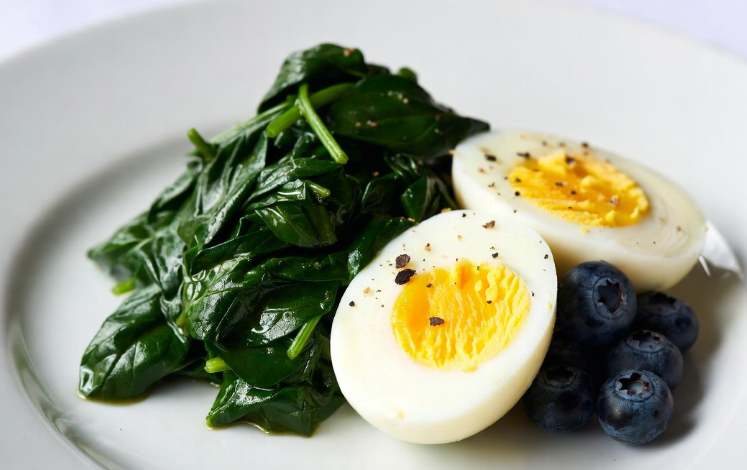
Steaming keeps more of the goodness
Steaming works differently. The food sits above the water rather than in it, cooked by rising vapour instead of direct contact. According to Slurrp, because the food never touches the hot water itself, steaming preserves more nutrients than boiling while still cooking things through.
It suits vegetables such as broccoli, spinach and carrots, along with fish and dumplings, where colour, texture and nutrition matter as much as doneness. The same comparison that measured boiling losses found that steamed greens lost only around 15 percent of their vitamin C and folate, roughly a third of what boiling costs.
Blanching sits in between
Blanching borrows from both. Food goes into boiling water for a short burst, usually under a minute, then straight into iced water to stop the cooking instantly. The point is not to cook the food fully but to partially cook it while setting its colour and softening it slightly, often to prepare it for freezing or further cooking.
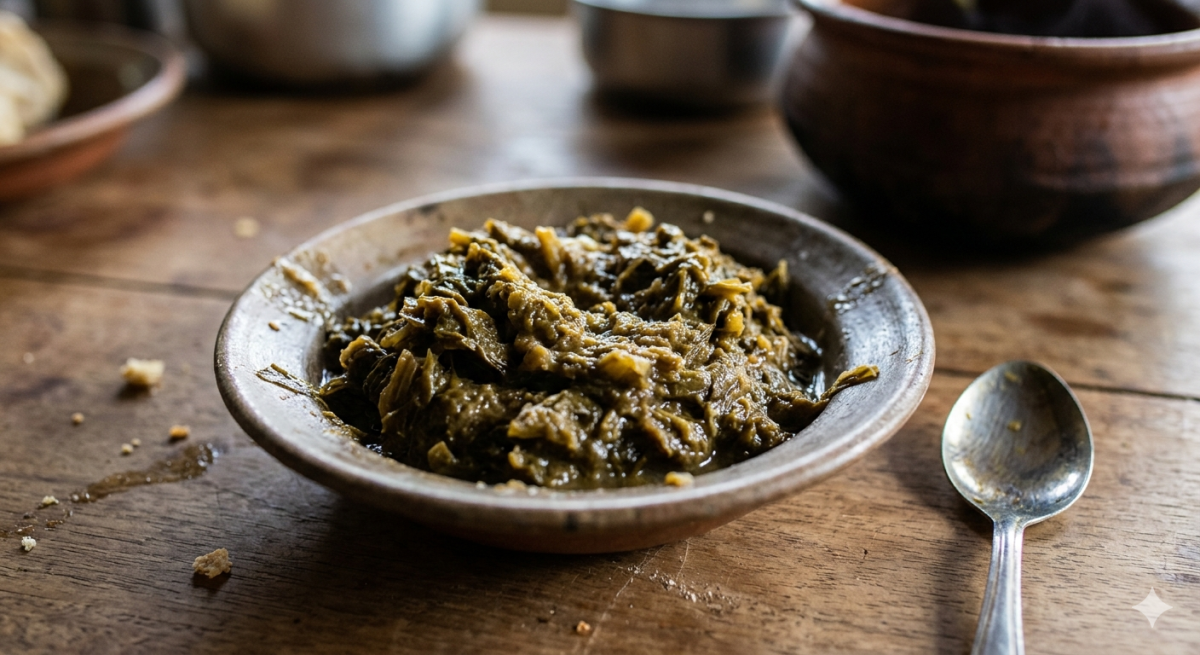
This is why blanching shows up before vegetables go into the freezer or before tomatoes are peeled; the brief heat halts the enzymes that cause spoilage without turning the produce mushy.
Choosing the right method
The decision comes down to what the dish needs. Reach for boiling when softness is the goal and the cooking liquid will be used. Choose steaming when nutrients, colour and texture need to stay intact.
Use blanching when food needs a colour-locking, enzyme-stopping head start before storage or a second round of cooking. None of the three is better on its own; knowing which job each one does is what makes the difference in the kitchen.