Advertisement
Reasons to eat onion skins instead of throwing them away
26th May, 2026 01:13 AM
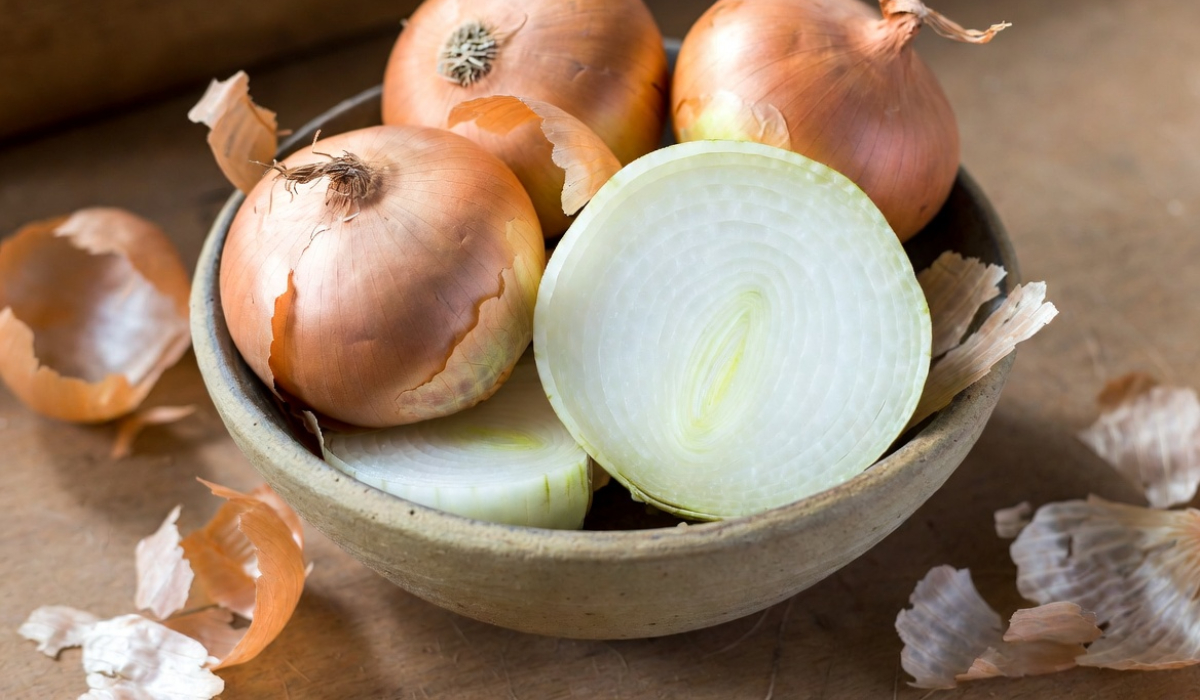
Onion skins are often thrown away without a second thought, yet they are packed with nutrients that can benefit the body in surprising ways.
While most people only use the inner layers of an onion for cooking, the outer dry skin is rich in plant compounds that are linked to better health and reduced waste in the kitchen. Instead of treating them as rubbish, onion skins can be reused in simple ways to improve both nutrition and sustainability. Here are some key reasons why they are worth keeping.
1. Rich source of powerful antioxidants
Onion skins contain very high levels of antioxidants, especially a plant compound called quercetin. Antioxidants are important because they help protect the body from damage caused by free radicals, which are unstable molecules linked to ageing and many long-term health conditions.
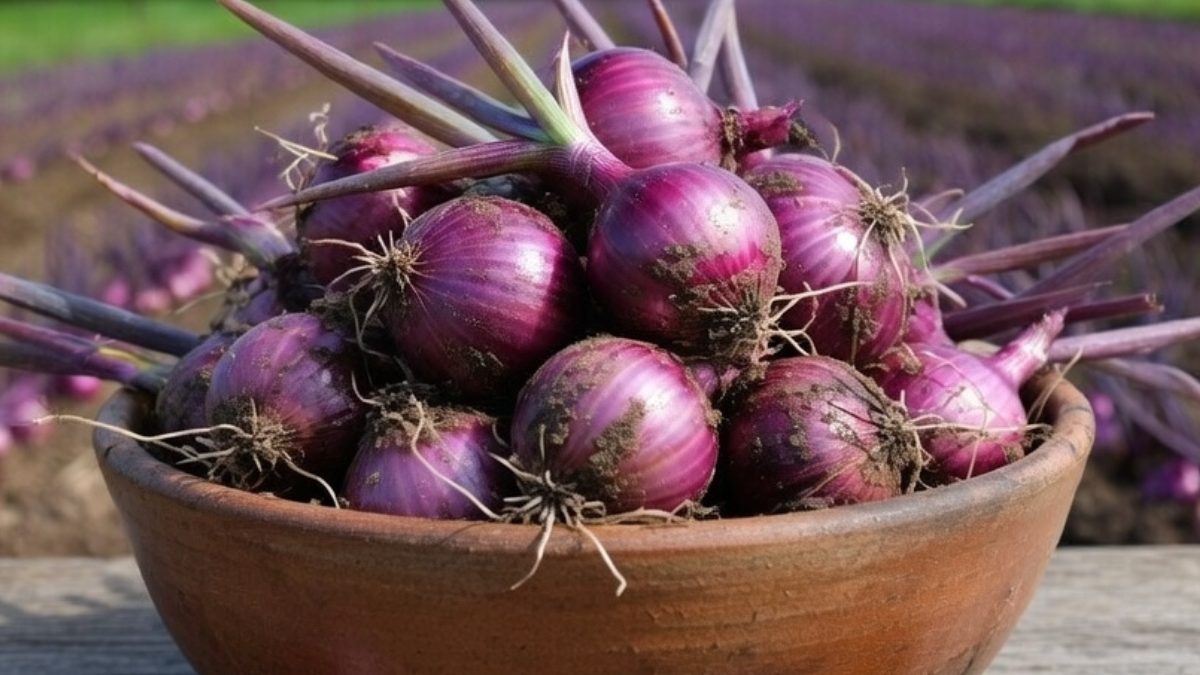
Quercetin is known for its anti-inflammatory properties, which may help the body respond better to stress and environmental factors. Since onion skins contain more of this compound than the inner layers, they can actually be one of the most nutritious parts of the onion.
One simple way to use them is by adding clean onion skins to soups or boiling them in water to make a light tea or broth. This allows the beneficial compounds to be released into the liquid without changing your normal meals too much.
2. Supports heart health and circulation
Onion skins may also play a role in supporting heart health. The quercetin found in them has been studied for its potential effects on blood pressure and blood circulation. Good circulation is important for overall heart function and energy levels in the body.
Some research suggests that diets rich in plant-based antioxidants may help support healthier blood vessels and reduce strain on the cardiovascular system. While onion skins are not a cure or treatment, they can be a helpful natural addition to a balanced diet.
Adding them to homemade stocks or soups is an easy way to include these compounds without needing to change your eating habits too much. Over time, small dietary additions like this can contribute to better overall wellness.
3. Reduces food waste and adds natural nutrition
Using onion skins instead of throwing them away also helps reduce food waste. Many households discard onion skins without realising they still contain useful nutrients and flavour compounds. Reusing them makes cooking more efficient and environmentally friendly.
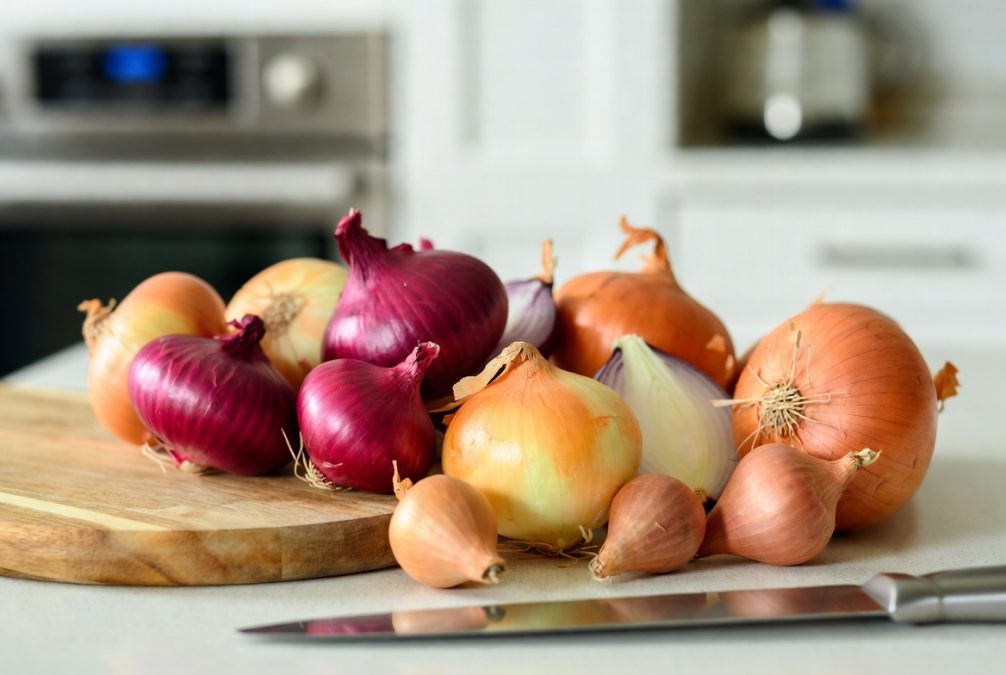
They can be boiled in soups to add a deeper colour and mild earthy flavour, or dried and ground into powder for use as a natural seasoning. This makes it easy to get extra nutrients while also making full use of the food you already buy.
Reducing kitchen waste also helps save money over time, since more parts of the onion are being used instead of being discarded.
Onion skins may not be the part we usually eat, but they are far from useless. They contain antioxidants that support health, may contribute to heart wellness, and help reduce unnecessary food waste when reused in cooking.
By simply adding onion skins to broths, teas, or seasoning mixes, you can turn what is normally thrown away into something valuable. Small changes like this show that even everyday kitchen scraps can have surprising benefits when used wisely.