How vinegar and milk can make homemade cheese
By Dan Kauna, July 29, 2026Many people assume making cheese requires specialised equipment or complex dairy cultures. However, transforming a litre of fresh milk into soft curd cheese takes just ten minutes, a sufuria, and a few spoons of household white vinegar or lemon juice.
The science behind milk curdling
Fresh milk consists mostly of water, fat, and floating protein clusters known as casein. Under normal conditions, these protein clusters carry a negative electrical charge that causes them to repel one another, keeping the milk smooth and liquid.
Adding an acidic ingredient like white vinegar lowers the liquid’s pH level and disrupts this balance.
According to research on dairy chemistry published on ResearchGate, “Acidification directly impacts the stability of casein micelles, reducing their charge, dissolving some of the insoluble calcium phosphate crosslinks and modifying internal bonding between proteins.”
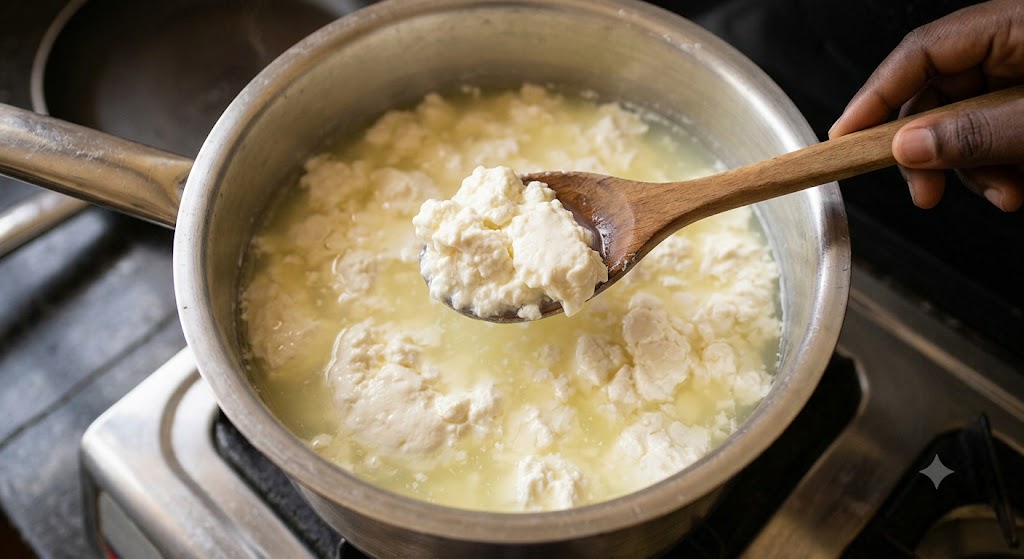
Once that natural electrical charge drops, the casein particles stop repelling each other and rapidly clump into soft white solids. Heating the milk to approximately 80 degrees Celsius before adding the acid speeds up this separation, drawing the milk curds away from the clear yellowish whey.
Cutting costs on everyday family meals
Store-bought cheese in supermarkets typically retails between Ksh600 and Ksh1,000 for small blocks, making it an expensive grocery item for many households. In contrast, making cottage cheese or ricotta at home requires only a litre of fresh milk costing about Ksh70, alongside basic pantry acid.
The preparation steps are quick and require minimal effort. Heat fresh milk in a sufuria until small bubbles form around the rim, remove it from the heat source, and stir in two to three tablespoons of vinegar.
Leaving the pot undisturbed for five minutes allows the curds to separate cleanly. Strain the mixture through a clean cotton cloth or sieve to collect the fresh cheese solids.
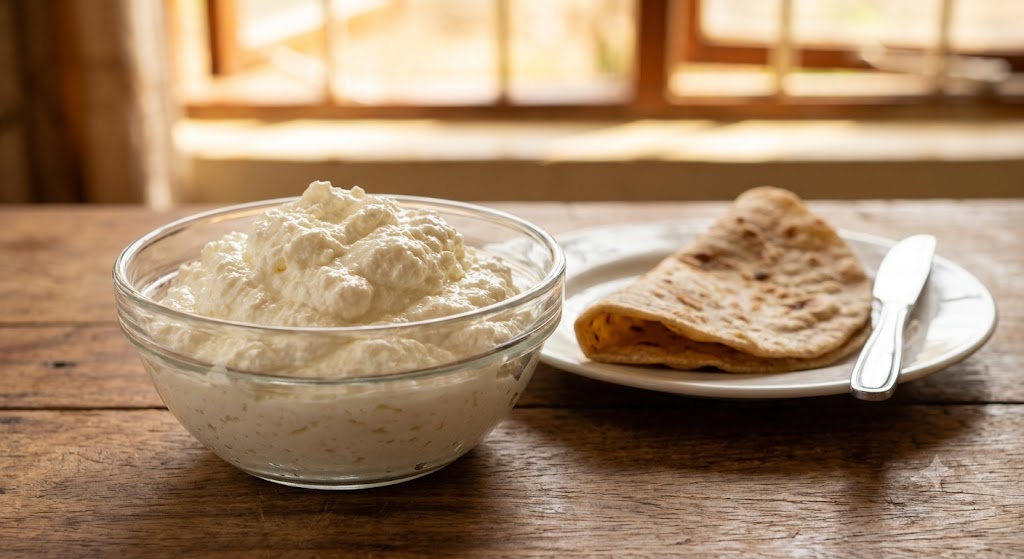
The resulting curd works well as a nutritious spread for bread, a tasty filling for chapatis, or a mild ingredient in vegetable dishes. Leftover liquid whey also retains valuable minerals, serving as an ideal substitute for tap water when kneading mandazi dough or boiling rice.
Through a basic chemical reaction, everyday kitchen ingredients offer an affordable, wholesome dairy option for family meals.