Advertisement
Health benefits of eating garlic
23rd May, 2026 07:02 PM
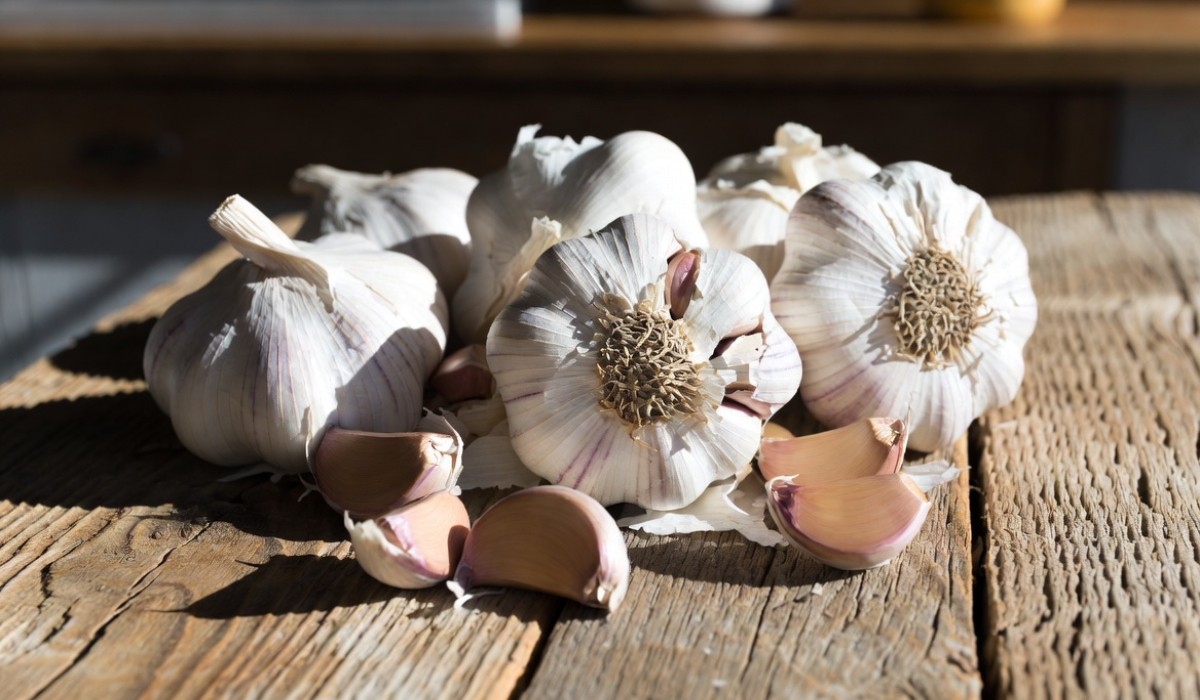
Garlic is one of the most commonly used ingredients in kitchens around the world.
Beyond adding strong flavour to food, it has been valued for centuries for its medicinal properties. Research continues to show that garlic contains powerful compounds that may support overall health in several ways.
Scientists now understand that many of garlic’s benefits come from sulfur compounds formed when a clove is chopped, crushed, or chewed. These compounds travel through the body and produce various biological effects that may help protect against illness and support long-term health.
Rich in powerful natural compounds
Garlic contains several active compounds that are responsible for its health effects. One of the most well-known is allicin, which forms when fresh garlic is crushed or cut. Although allicin is unstable and short-lived, it is believed to play a key role in garlic’s medicinal power.
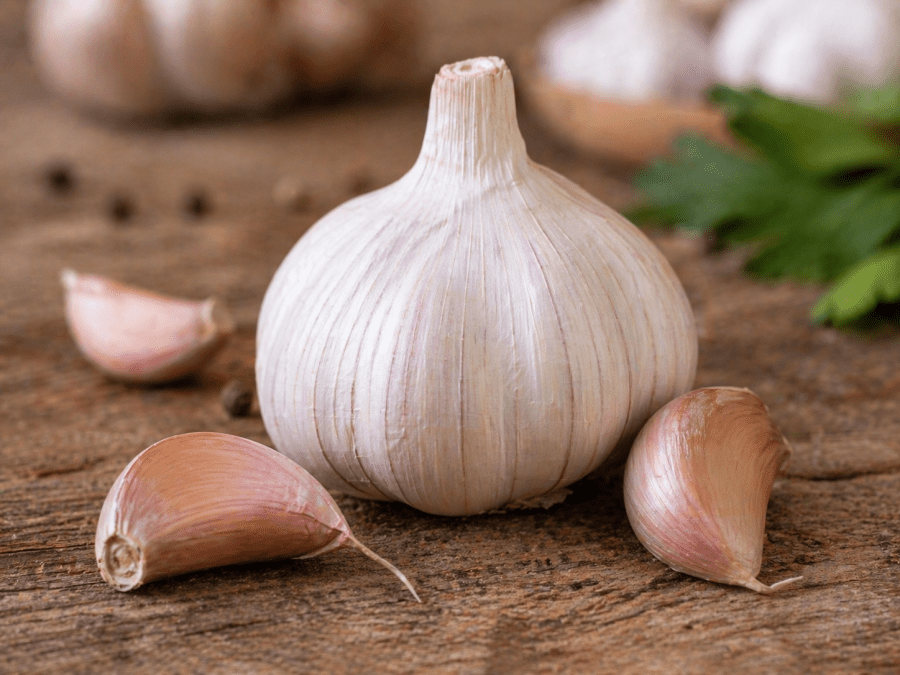
Other important compounds include diallyl disulfide and S-allyl cysteine. These substances are absorbed in the digestive system and spread through the body, where they may help reduce inflammation and support overall wellness.
Highly nutritious and low in calories
Garlic is extremely low in calories but rich in essential nutrients. A single clove contains only a small amount of calories, yet it still provides valuable vitamins and minerals.
It is a good source of vitamin C, vitamin B6, manganese, selenium, and fibre. These nutrients help support energy production, immune function, and overall body health, making garlic a simple but powerful addition to meals.
May help protect against illness
Garlic has long been used as a natural remedy for infections and colds. Some studies suggest that aged garlic extract may help strengthen the immune system and reduce the severity of cold and flu symptoms.
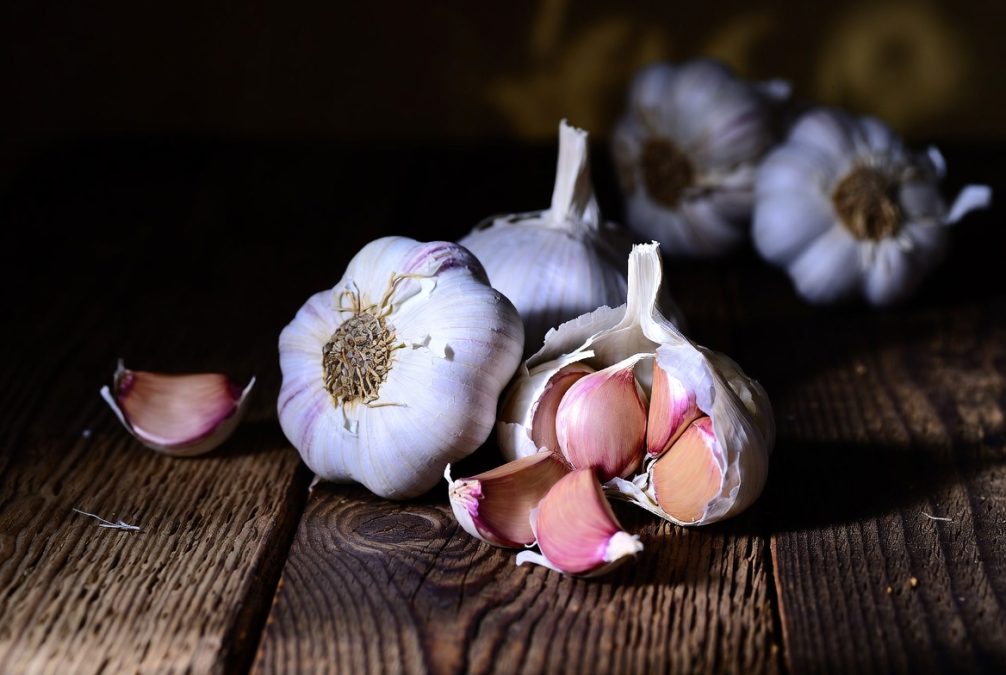
People who took garlic supplements in research studies experienced fewer sick days and milder symptoms during flu seasons. Garlic compounds may also have antiviral properties that help block viruses from entering or multiplying in the body.
Supports brain health and memory
Garlic contains antioxidants that help protect the body from oxidative stress, which is linked to ageing and brain decline. Oxidative damage from free radicals may contribute to conditions such as Alzheimer’s disease and dementia.
Research suggests that garlic antioxidants may reduce this damage and help protect brain cells. Some animal studies also show that allicin may support brain health, although more human research is still needed.
May support longer life
Although it is difficult to prove in humans, garlic may contribute to a longer life due to its effects on major health risk factors. For example, it may help reduce blood pressure and support heart health, both of which are linked to longevity.
A study in China found that older adults who ate garlic at least once a week lived longer than those who ate it less often. Garlic’s ability to support the immune system may also help protect against infections, which can be more dangerous in older adults.
Garlic is more than just a cooking ingredient. It is a nutrient-rich food with powerful compounds that may support immunity, brain health, and heart function. While it is not a cure for disease, regular consumption may offer important long-term health benefits.
Adding garlic to a balanced diet is a simple way to boost flavour and nutrition at the same time. When eaten regularly, it may contribute to overall wellness and healthy ageing.