Foods that will get cheaper after 2026/27 budget allocation
By Dan Kauna, June 12, 2026When Cabinet Secretary John Mbadi read the Ksh4.8 trillion budget on Thursday, the agricultural numbers buried in the speech were arguably the most important ones for your household.
Not the headline figures – the specific provisions that trace a direct line from the farm to your plate.
Two measures stand out as genuinely consumer-facing: the retention and doubling of the fertiliser subsidy, and a Finance Bill 2026 proposal to exempt raw materials used in manufacturing animal feeds from VAT. Together, they affect the foods most Kenyan families buy most often.
The maize chain: ugali, flour, and animal feeds
The fertiliser subsidy programme received the largest single increase in the 2026/27 budget estimates, with its allocation more than doubling from Ksh8 billion in the previous financial year to Ksh18 billion, while the price of a 50kg bag remains capped at Ksh2,500.
A seed subsidy programme worth Ksh2 billion has also been introduced alongside it.
Why does this matter for your shopping trolley? The academic evidence on what happens when fertiliser becomes unaffordable is stark.
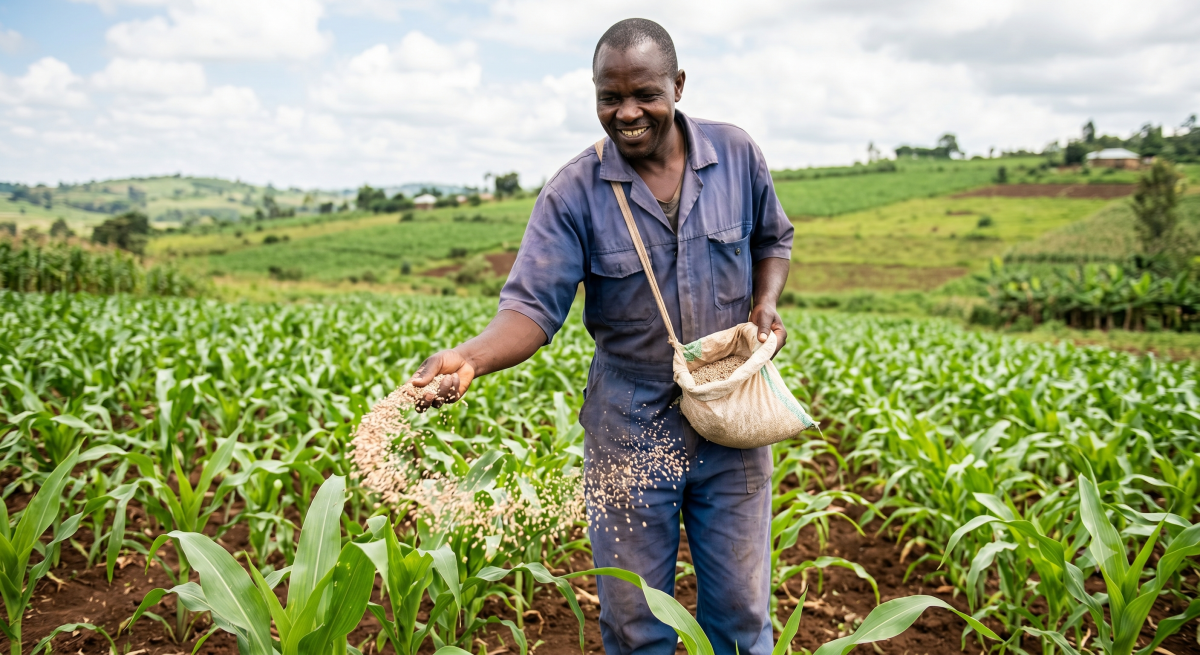
A peer-reviewed study published in the journal Food Policy (June 2025) found that in Kenya, the period of high fertiliser prices was associated with significant reductions in total maize production – “between the 2020/2021 and 2022/2023 growing seasons, Kenya’s total cultivated maize area contracted by 11 per cent while aggregate maize production and yields dropped by 24 and 17 per cent, respectively.”
Cheaper fertiliser reverses that logic: more maize gets planted, more gets harvested, and unga prices ease.
The Finance Bill 2026 separately proposes to exempt inputs and raw materials for the manufacture of animal feeds from VAT.
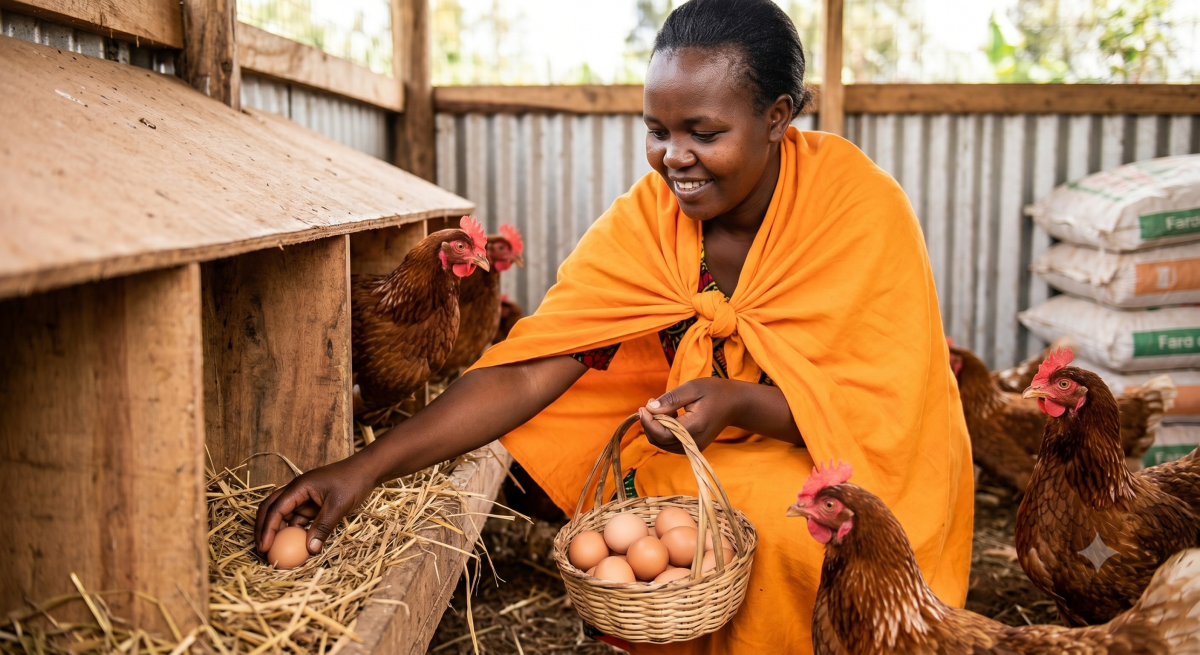
These include raw materials for the manufacture of animal feeds and pharmaceutical products, subject to approval by the Cabinet Secretary on recommendation from the relevant implementing ministry.
When feed costs fall, the knock-on moves fast: cheaper chicken feed means cheaper broilers and eggs. Cheaper dairy concentrate means more affordable milk.
What to prioritise at the shops
The relief isn’t instant. It travels through the supply chain before reaching retail. But the direction of travel is clear. Here is what to watch:
Maize flour and ugali: The most direct beneficiary. Subsidised fertiliser at Ksh2,500 per 50kg bag keeps production costs down for the smallholder farmers who supply most of Kenya’s maize. As the new season’s harvests come in, expect modest downward pressure on packet flour prices from August onwards.
Eggs and broiler chicken: The VAT exemption on animal feed raw materials, if passed in its current form, reduces production costs for poultry farmers. Eggs in particular are a fast-moving item – price changes at the farm gate show up at the mama mboga level within weeks.
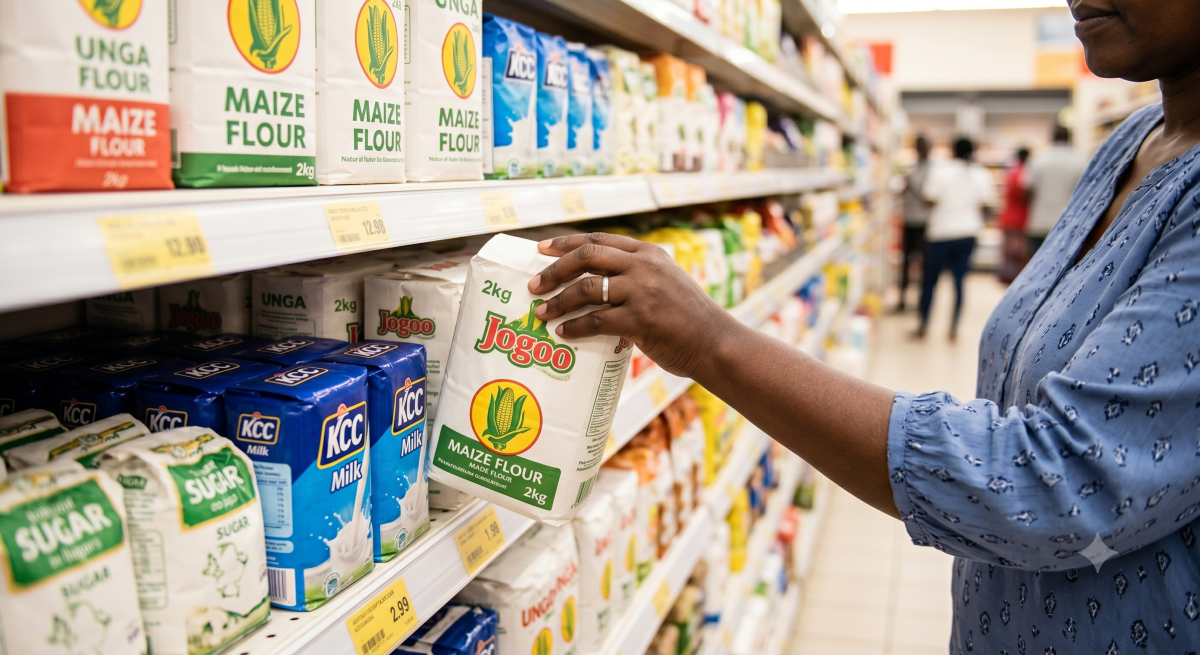
Milk: Dairy concentrate is one of the inputs covered under the feed raw materials exemption. Smallholder dairy farmers, who supply the bulk of Kenya’s milk, will benefit from lower feed costs.
Sugar: Retail sugar prices are expected to decline in the early months of the 2026/2027 marketing year, driven by a rebound in domestic production and improved cane availability following Kenya’s exit from the Comesa safeguard regime in November 2025. The 2026/27 budget adds Ksh2.5 billion for sugar sector reforms. If you bake, stock up once you see prices dip at your local supermarket.
There is no need to panic-buy. But if you have storage capacity, unga, cooking oil, and sugar are worth watching in July and August when the new financial year’s production dynamics begin to feed through. The budget has done what it can on costs. The rest depends on rainfall, supply chains, and whether the subsidy bags actually reach the farmers who need them.