Advertisement
Home economy changes to make before July 1 based on yesterday’s budget
12th June, 2026 11:18 AM
The new financial year starts on July 1, 2026. With the Sh4.82 trillion budget CS John Mbadi tabled before Parliament on June 11, some of the changes that kick in then are worth acting on now, before prices shift and the window closes.
Here is what makes sense to do at home this month.
Stock up on dry goods now, before transport costs ease and restock
Kenya’s inflation hit 6.7 per cent in May 2026, a 28-month high, and food prices have moved with it.
The Finance Bill 2026 proposes reducing the Road Maintenance Levy from Sh3 to Sh1.50 per litre of fuel, effective July 1.
If passed, transport costs should soften slightly, and food prices in the market tend to follow, but with a delay of several weeks.
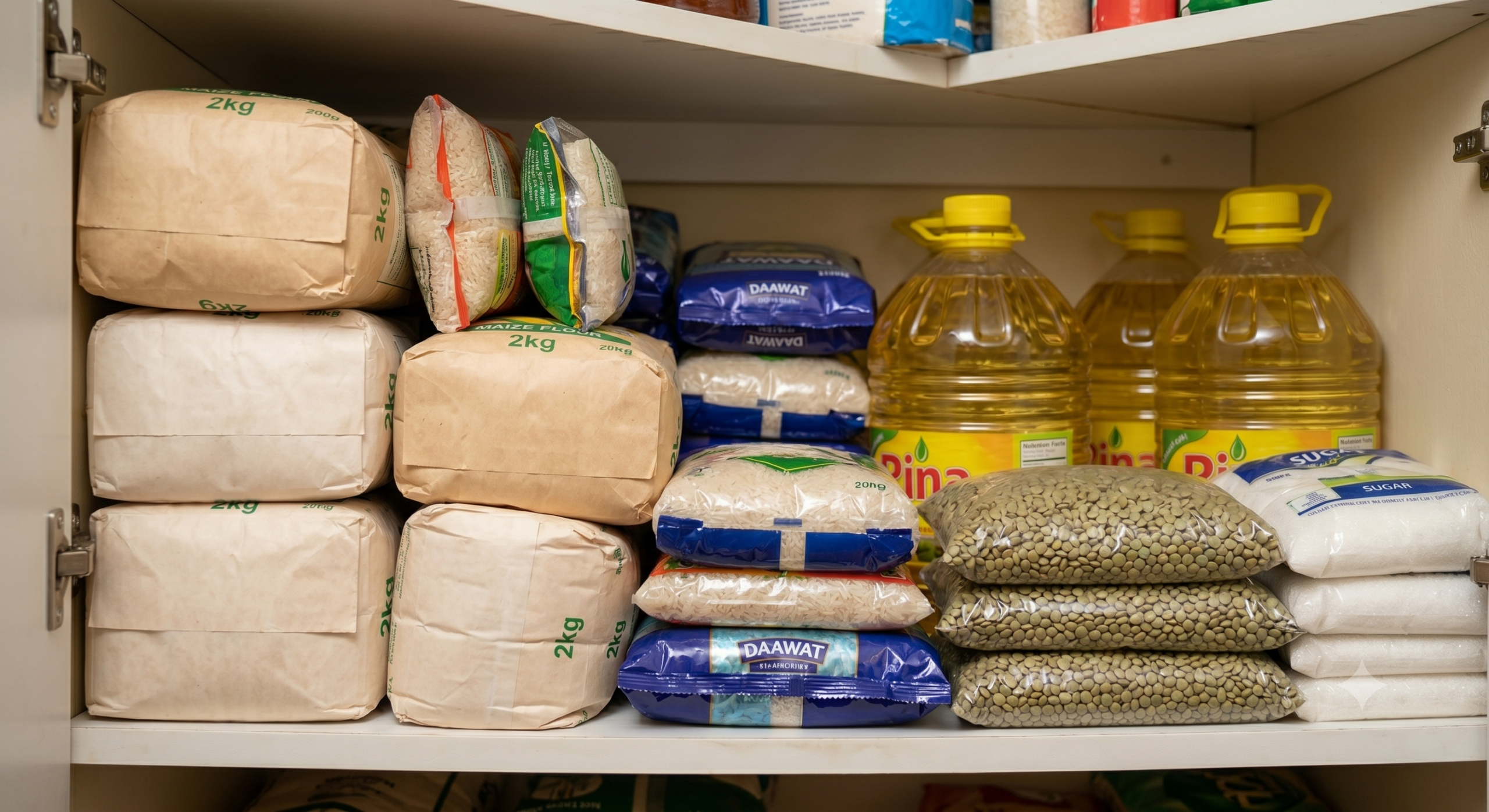
This means the dip will not land in your kitchen immediately. It makes sense to build your stock of dry staples now: maize flour, rice, cooking oil, sugar, lentils, and other non-perishables that hold well.
Research published in the journal Foods found that “households in the study communities were able to reduce the amount of income spent on food when they stored food at home,” by taking advantage of current prices before further adjustments.
Buy what you will actually use. Overbuying perishables defeats the purpose.
Review your fuel and electricity spending
The government cut VAT on petroleum products from 16 per cent to 8 per cent back in April 2026. The road levy proposal, if Parliament approves it, adds a further Sh1.50 per litre saving from July 1.
A motorist filling a 50-litre tank could save up to Sh75 to Sh80 per fill.
Before that relief arrives, it is worth auditing what fuel and electricity are costing your household monthly. Electricity bills in Kenya carry VAT at 16 per cent on top of the fuel cost charge, REP levy, forex adjustment, and other components.
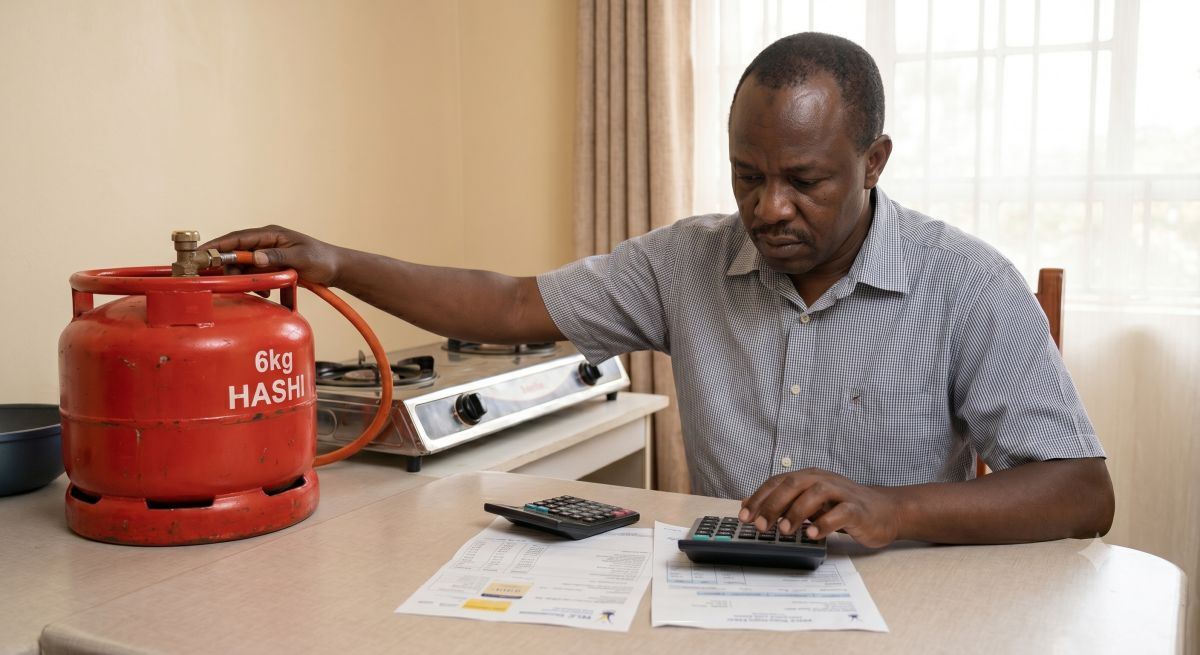
On average, roughly 40 to 50 per cent of what you pay for power goes to levies and taxes rather than energy itself.
If you run a generator as backup, or have been deferring switching to a more fuel-efficient cooker, the weeks before July 1 are a reasonable time to make that move.
A gas cooker running on LPG remains cheaper per unit of cooking energy than an electric cooker on standard Kenya Power rates for most households.
LPG consumption in Kenya grew 15 per cent in Q1 2026 according to the Petroleum Institute of East Africa, reflecting this shift.
Your M-Pesa transactions are safe, do not over-pay in advance
One concern that circulated widely ahead of this budget was a proposed 16 per cent VAT on digital payment services, including M-Pesa.

The budget statement on June 11 confirmed that core financial service providers are now exempt. Your M-Pesa send money and payment charges are not changing on July 1.
This means you do not need to rush cash payments or settle bills earlier than normal to avoid new charges.