Advertisement
Foods that lower cancer risk
10th July, 2026 08:54 AM
The World Health Organisation’s Global Status Report on Cancer 2026, released on Wednesday, July 9, 2026, paints a sobering picture: cancer cases are projected to nearly double by 2050, and nearly four in ten cases are linked to preventable risk factors, diet chief among them.
It is easy to read a statistic like that and feel powerless. The encouraging part is that the science on what to eat to lower your risk is more settled than ever, and none of it requires an imported grocery list.
What the research actually recommends
The most comprehensive update yet comes from the 2025 National Guidelines on the Mediterranean Diet, published in Nutrition Reviews in January 2026 by a panel of Italian scientific societies and the country’s National Institute of Health.
After reviewing decades of trials and cohort studies, the guideline concludes that current evidence “supports the protective role of the MD against a spectrum of malignancies,” including colorectal, breast, gastric, liver, lung and head and neck cancers.
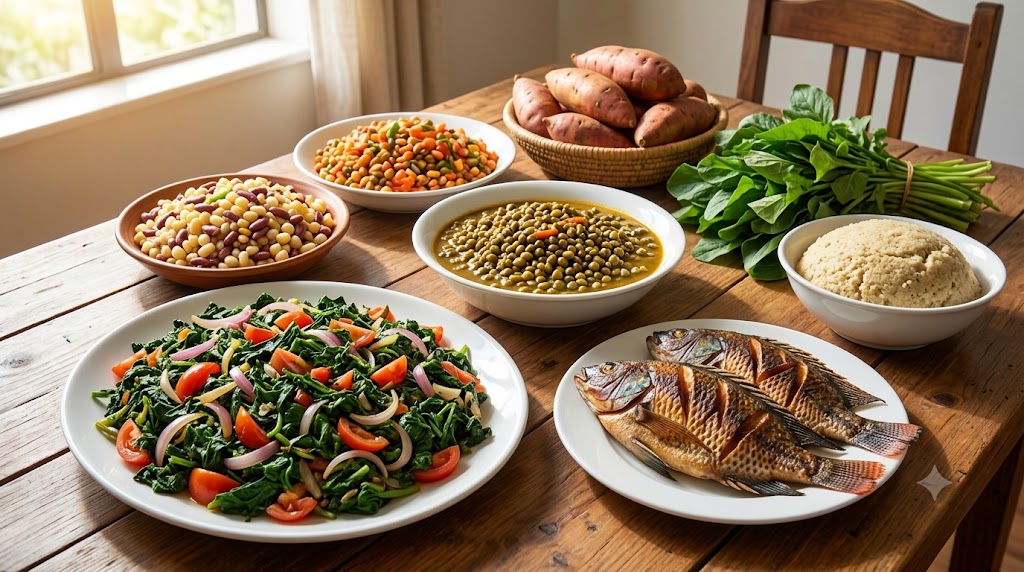
The pattern behind that protection is simple: vegetables, fruit, legumes, whole grains, nuts and extra virgin olive oil form the base, fish and dairy appear in moderation, and red meat, processed meat and sweets stay occasional rather than daily.
Researchers believe the benefit comes from a combination of fibre, antioxidants and healthy fats working together to reduce inflammation and improve how the body regulates insulin and cell growth, rather than any single “superfood” doing the job alone.
Making it work on a Kenyan plate
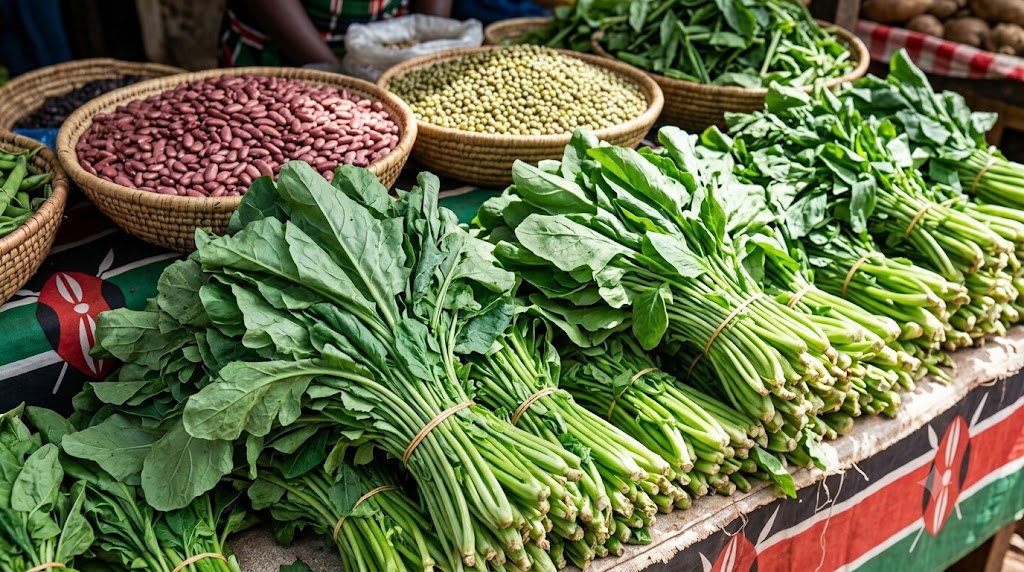
None of this needs to be imported or expensive. Sukuma wiki, spinach and managu cover the leafy greens. Beans, ndengu and dholl stand in for legumes.
Groundnuts and simsim offer the same fats found in olive oil, even if the ratios differ slightly.
Fish fits neatly into the “moderate fish, less red meat” principle, and swapping white ugali flour partly for whole grains like millet or sorghum nudges fibre intake up without changing the meal beyond recognition.
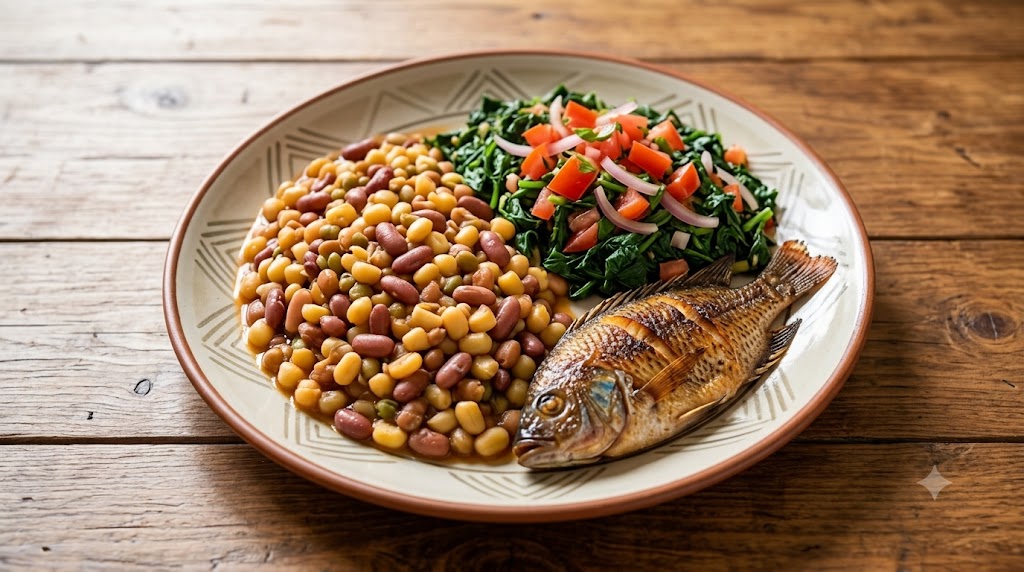
The shift, according to the guidance, is less about eliminating foods and more about proportion: build meals around plants first, treat meat as a side rather than the centre, and keep alcohol and processed snacks occasional.
Small, repeatable changes at that scale are what the evidence links to lower cancer incidence over time, not short-term detoxes or restrictive diets.
With WHO now flagging diet as one of the clearest levers available for cancer prevention, the message for Kenyan households is a hopeful one: the food already on most tables, sukuma, beans, fish and groundnuts, is closer to the protective pattern researchers are describing than most people realise.
A few consistent swaps, not a total overhaul, is where the research says the real risk reduction lives.