Advertisement
Difference between brown and dark chocolate and what you probably didn’t know
25th May, 2026 01:04 AM
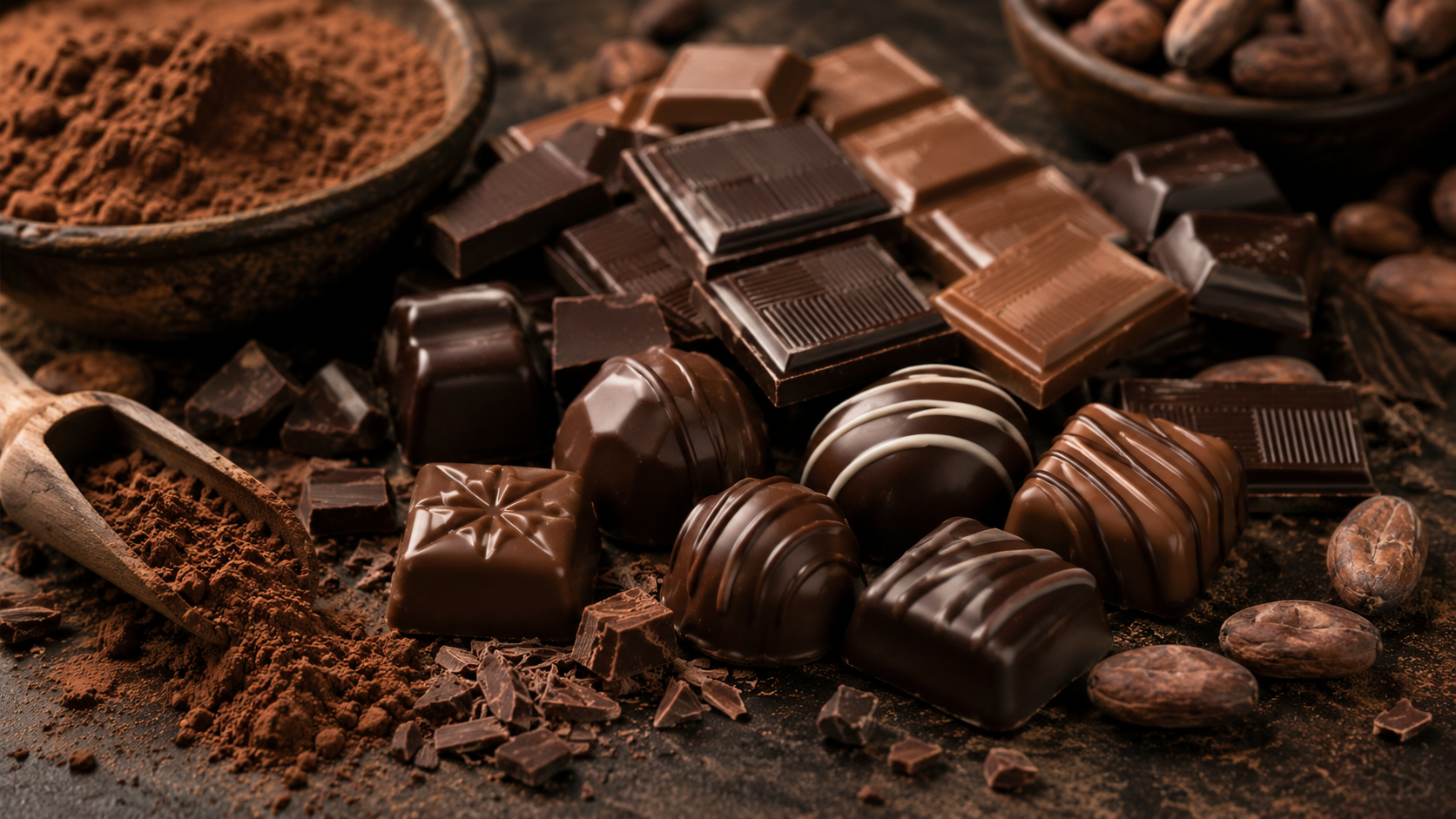
Most people look at chocolate and see one simple thing. Something sweet, brown, and familiar.
But behind that simplicity is a much more detailed story built around ingredients, processing, and cocoa content.
What people casually call brown chocolate is usually milk chocolate.
Dark chocolate sits in a different space entirely, even though they often share the same shelf and similar appearance.
The real difference is not just taste or colour. It is what is inside each bar and how those ingredients interact.
What dark chocolate is really made of
Dark chocolate is defined by its cocoa content. It is made mainly from cocoa solids and cocoa butter, with a relatively small amount of sugar.
In many cases, it contains little or no milk at all.
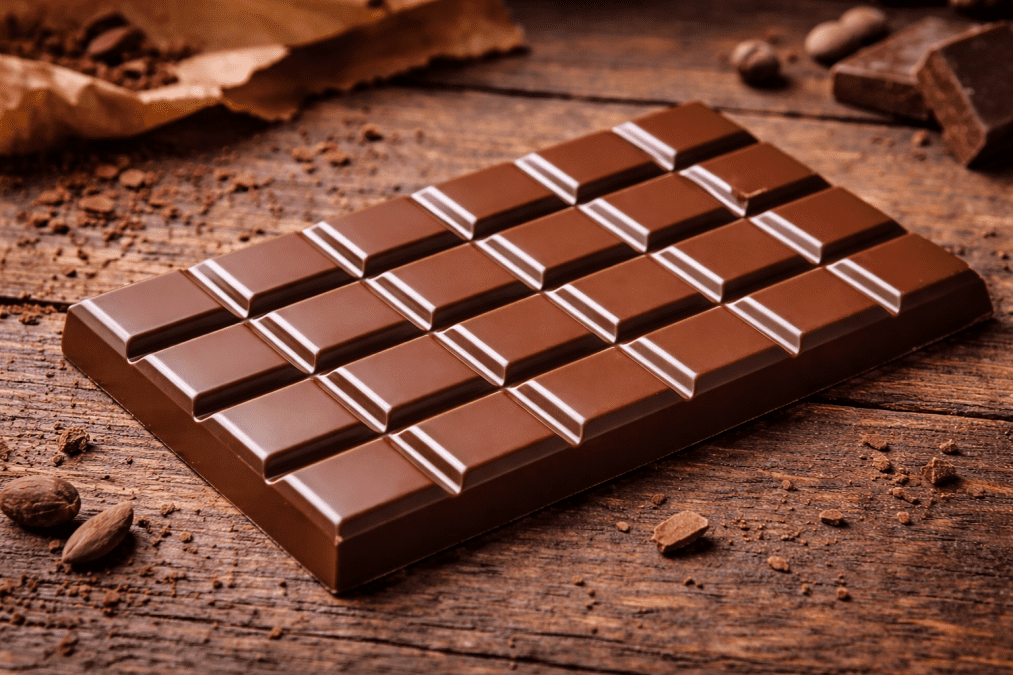
As the cocoa percentage increases, the flavour becomes stronger and more complex.
A 70 percent bar feels very different from a 50 percent one, not just in sweetness but in depth.
You start to notice bitterness, earthiness, sometimes even fruity or coffee-like notes depending on the cocoa origin.
That bitterness people often talk about is not a flaw. It is the natural character of cocoa showing through without being heavily softened by sugar and milk.
What milk chocolate actually contains
Milk chocolate adds milk powder or milk solids into the mix, which completely changes the structure of the final product.
Alongside cocoa solids and cocoa butter, there is a higher amount of sugar and dairy content.
This combination creates a smoother, creamier texture that melts easily and tastes sweeter from the first bite.
It is designed for comfort and instant enjoyment rather than intensity.
Because the cocoa percentage is lower, the chocolate flavour is softer and more muted.
What you mostly taste is sweetness balanced with a gentle cocoa base.
The hidden science behind cocoa
Cocoa is more than just flavour. It naturally contains plant compounds known as flavonoids, which are a type of antioxidant.
These compounds are part of what makes dark chocolate stand out in nutritional discussions.
Flavonoids are linked to improved blood flow, better heart health support, and reduced oxidative stress in the body.
Cocoa also contains theobromine, a mild stimulant that can influence mood and alertness in subtle ways.
This is why dark chocolate is often discussed as having potential health benefits when consumed in moderation.
It is not magic or medicine, but it does carry natural compounds that interact with the body differently compared to heavily processed sugary sweets.
Why dark chocolate is often seen as a better choice
The main reason dark chocolate is often considered a better option is its cocoa density and lower sugar content. With more cocoa, you naturally get more of those beneficial plant compounds and less refined sugar per bite.
It also tends to be more satisfying in smaller amounts. The richness means you do not need as much to feel content, which can help reduce overconsumption compared to sweeter chocolates.
However, it is still important to understand that it remains an energy-dense food. The benefits come from balance, not excess.
What chocolate labels are really telling you
The percentage written on a chocolate bar is one of the most important details, yet many people ignore it.
That number tells you exactly how much of the product comes from cocoa ingredients.
A higher percentage means a stronger cocoa presence and less space left for sugar and additives.
This is why a 70 percent bar feels very different from a 40 percent one even if they look similar.
Once you understand this, chocolate stops being a mystery and becomes something you can choose with intention depending on your taste preference.
The experience difference when eating them
Milk chocolate gives a quick and familiar sweetness that feels smooth and easy. It is designed for immediate pleasure, which is why it is often the default choice for many people.
Dark chocolate behaves differently. The flavour unfolds slowly. First comes the intensity, then bitterness, then subtle layers that reveal themselves the longer it sits on the palate. It feels less like a sugar rush and more like a tasting experience.
That difference is why some people describe dark chocolate as more refined or mature. It is not just perception. It is the result of higher cocoa concentration and lower sugar interference.