Advertisement
5 common mistakes that make homemade chips soggy
21st July, 2026 09:59 AM
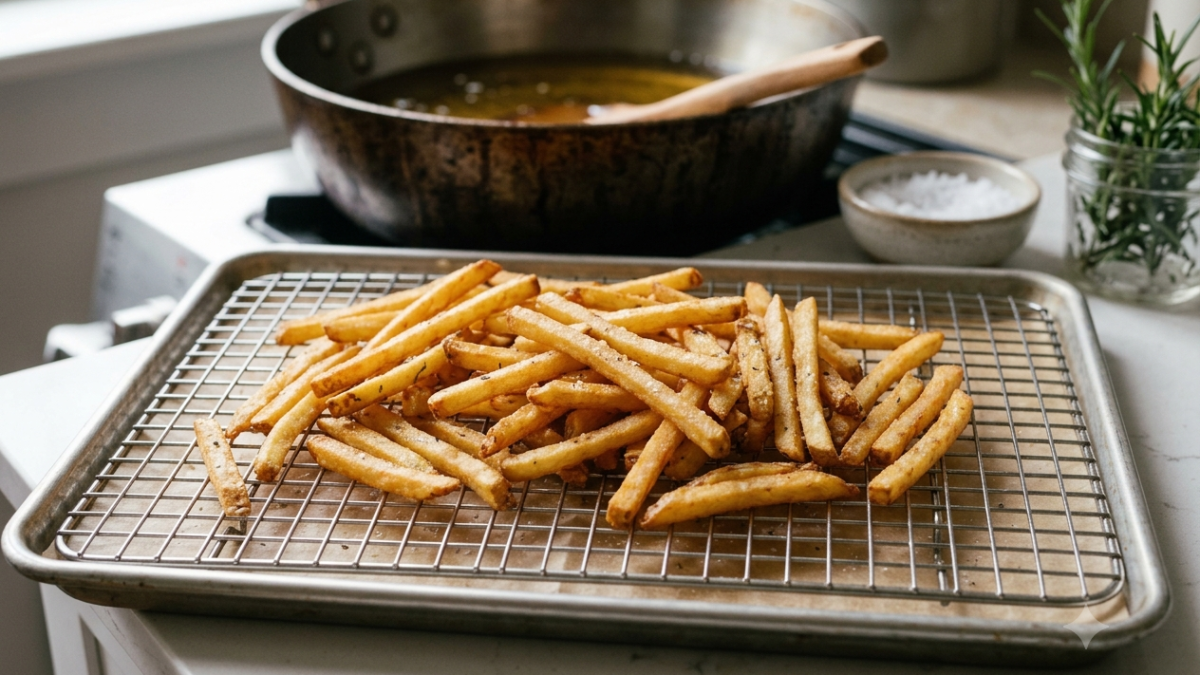
Making restaurant-quality chips at home is not always as easy as it looks. Many people have experienced that disappointing moment when the chips come out pale, limp and soggy instead of crisp and inviting. They may taste fine, but they lack the crunch that makes chips truly irresistible. It often feels like the potatoes are playing a practical joke on you.
The good news is that soggy chips are rarely caused by bad luck. More often than not, they are the result of a few small mistakes that are easy to fix. Once you know what to avoid, your homemade chips can turn out crisp on the outside and soft on the inside every single time.
1. Skipping the soaking step
One of the biggest reasons homemade chips become soggy is because they go straight from the chopping board into hot oil. Fresh potatoes naturally contain a lot of starch, and too much starch causes the chips to stick together and brown unevenly before they have a chance to become crispy.
After cutting your potatoes into chips, soak them in cold water for at least 30 minutes. If you have more time, soaking them for one or two hours works even better. This simple step removes excess starch and helps create that beautiful golden crust everyone loves.
After soaking, do not forget to rinse the potatoes once more before draining them. You will probably notice the water has turned cloudy, which is proof that the starch has been washed away. It may seem like extra work, but your taste buds will thank you later.
2. Frying wet potatoes
Water and hot oil have never been good friends. If your potatoes are still wet after soaking, they will steam instead of fry. The trapped moisture prevents the outside from becoming crisp, leaving you with soft, limp chips that struggle to hold their shape.
Once you drain the potatoes, spread them on a clean kitchen towel or paper towels and pat them completely dry. Give them a few extra minutes to air dry if necessary. Every drop of water you remove improves your chances of getting crisp chips.
Dry potatoes also make frying much safer. Wet chips cause oil to splatter, which can leave you cleaning the kitchen instead of enjoying your meal. A little patience before frying saves both your dinner and your stovetop.
3. Overcrowding the frying pan
It is tempting to throw all the potatoes into the oil at once. After all, everyone is hungry, and nobody enjoys waiting for multiple batches. Unfortunately, overcrowding the pan is one of the quickest ways to ruin homemade chips.
When too many chips are added at the same time, the temperature of the oil drops rapidly. Instead of frying, the potatoes begin absorbing oil like tiny kitchen sponges. The result is greasy, soggy chips that feel heavy rather than crispy.
Give the chips enough room to move freely in the oil. Fry them in smaller batches, even if it takes a little longer. Each chip deserves its own personal space. They may not complain about being crowded, but they certainly show it on the plate.
4. Using oil that is not hot enough
Oil temperature makes a huge difference. If the oil is too cool, the potatoes soak up oil before the surface has a chance to crisp. If the oil is too hot, the outside burns while the inside remains undercooked.
For most homemade chips, the ideal frying temperature is around 170 to 190 degrees Celsius. If you have a kitchen thermometer, it can be a useful investment. If not, you can test the oil by dropping in one chip. It should begin bubbling gently and rise slowly to the surface rather than sinking without movement or turning dark immediately.
Many restaurants use a double-frying method for a reason. They first cook the chips at a lower temperature until they are tender, allow them to cool slightly, then fry them again at a higher temperature for a short time. This second fry creates the signature crispy exterior that makes chips impossible to resist.
5. Covering the chips immediately after frying
You have finally made beautiful golden chips, but one final mistake can undo all your hard work. Covering hot chips with a lid, aluminium foil or placing them in a sealed container traps steam. That steam quickly softens the crispy surface, leaving the chips soggy within minutes.
Instead, place the freshly fried chips on a wire rack or paper towels for a short time to drain excess oil. Sprinkle salt while they are still hot so it sticks properly, then serve them as soon as possible.
If you are cooking several batches, keep the finished chips warm in a low-temperature oven rather than covering them. This allows moisture to escape while keeping the chips hot and crispy until everyone is ready to eat.