How to contour your face without looking cakey
By Dan Kauna, September 16, 2026Contouring is one of the quickest ways to define your cheekbones and give your face a structured look. Yet, many people end up with muddy streaks or a heavy, cakey finish that looks harsh in broad daylight.
Getting a natural result comes down to picking the right product, using correct tools, and mastering the blending steps.
Choosing the right formula and tools
Avoiding a cakey finish starts with skin preparation. Applying cream or liquid products over dry skin causes makeup to cling to patches, creating an uneven texture.
Starting with a well-moisturised base ensures every product slides smoothly onto the skin.
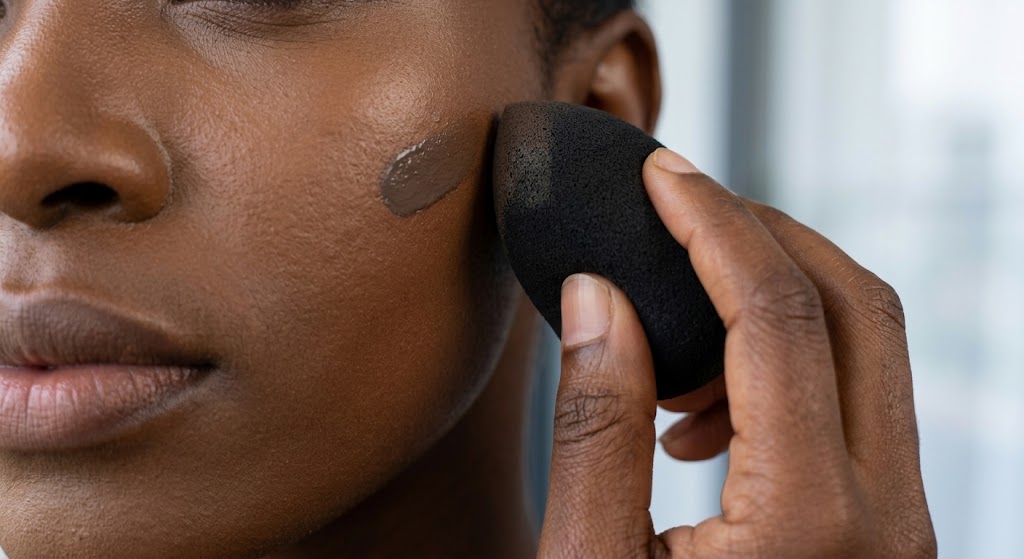
For everyday wear, cream and liquid contours work far better than heavy powders. They melt into liquid foundation, giving a soft shadow rather than a dry layer.
Pick a shade that is only two tones darker than your actual skin tone, with a cool or neutral undertone. Warm shades often look orange rather than like a natural shadow.
The tools you use also determine how your makeup settles. A dense, angled brush places the product precisely along the hollows of your cheeks, while a damp sponge softens any harsh edges.
Mastering the blending technique
When placing the contour, less product is always safer. Start from the top of your ear and move towards the corner of your mouth, stopping right beneath the pupil of your eye. Placing contour too low drags your facial features down.
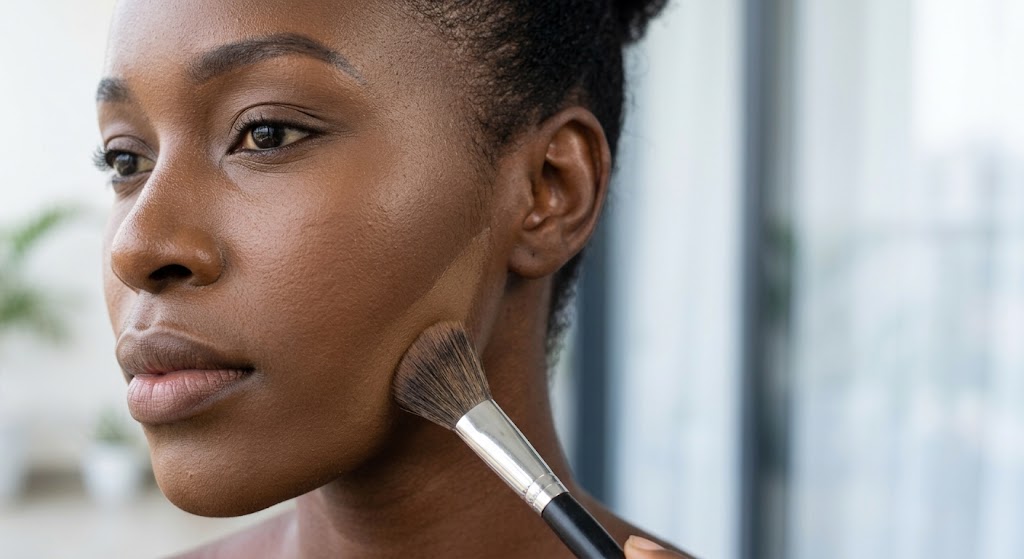
Blending requires an upward motion. Sweeping the product downwards spreads the dark colour across your cheeks, creating a muddy appearance.
Use a damp sponge to press the contour into the skin using tapping movements rather than dragging strokes. Tapping blends the pigment while keeping your foundation intact underneath.
A peer-reviewed study published in the journal PLOS ONE highlighted that effective makeup application aims to “accentuate the bone structure without it being too obvious” that products are present.
Achieving this effect requires setting your cream contour lightly. Instead of packing heavy powder over the face, sweep a translucent powder lightly over oily areas to lock everything in place without adding extra thickness.