Habits you need to break to help slow ageing
By Paulette Mboga, July 14, 2026Ageing is a natural part of life, but some everyday habits can make your body show signs of ageing faster than necessary.
While no one can stop the ageing process completely, making healthier choices can help your skin, heart, brain and overall health stay in better condition for longer.
Here are three habits worth breaking if you want to support healthy ageing.
1. Spending too much time in the sun without protection
Too much exposure to the sun’s ultraviolet (UV) rays is one of the biggest causes of premature skin ageing. Over time, UV rays break down collagen and elastin, the proteins that keep your skin firm and smooth. This can lead to wrinkles, dark spots and sagging skin earlier than expected.
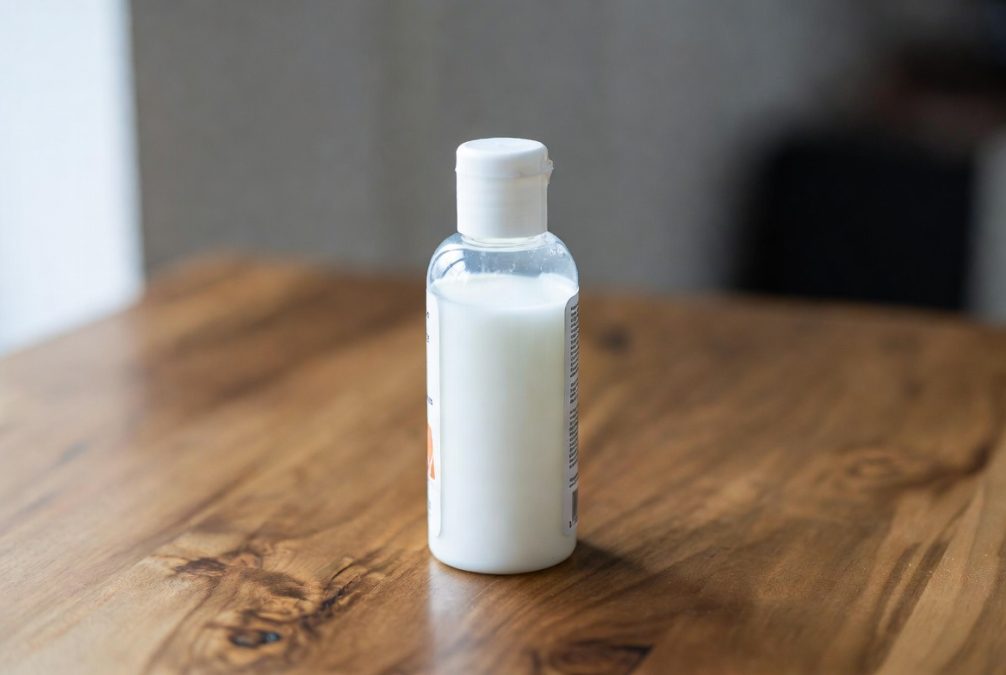
Protecting your skin by wearing sunscreen, seeking shade during the hottest parts of the day and using protective clothing can help reduce sun damage. These simple steps not only keep your skin looking healthier but also lower the risk of skin cancer.
2. Eating too many processed and sugary foods
A diet filled with sugary drinks, sweets, fast food and highly processed snacks can affect your health in many ways. These foods often contain high amounts of sugar, unhealthy fats and salt while providing very little nutrition. Over time, they can contribute to weight gain, heart disease and type 2 diabetes.
High sugar intake may also damage collagen through a process called glycation, making the skin lose its firmness and elasticity. Replacing processed foods with fruits, vegetables, whole grains, lean proteins and healthy fats gives your body the nutrients it needs to repair cells and maintain healthy skin as you age.
3. Not getting enough sleep
Many people treat sleep as optional, but it plays a major role in keeping the body healthy. During sleep, the body repairs tissues, supports brain function and regulates hormones that affect everything from mood to immune health. Regularly sleeping too little can leave you feeling tired and increase the risk of long-term health problems.

Poor sleep can also make the skin appear dull, increase the appearance of fine lines and reduce your body’s ability to recover from daily stress. Most adults should aim for seven to nine hours of quality sleep each night. Creating a regular bedtime routine and limiting screen time before bed can improve sleep quality and support healthier ageing.
Breaking these habits will not stop ageing, but it can help your body stay healthier and stronger over time. Small changes made consistently can have a lasting impact on both your appearance and your overall well-being.