5 simple ways to keep your child’s hair healthy
By Cynthia Lodite, September 28, 2026Taking care of a child’s hair is not only about keeping it neat. A simple and gentle routine can help protect the hair and scalp while making grooming more comfortable for the child.
Children’s hair can be delicate, and practices such as excessive pulling, harsh products or rough handling may contribute to breakage and scalp irritation.
Here are five simple ways parents and caregivers can help keep a child’s hair healthy.
Keep the hair and scalp clean
Regular washing helps remove sweat, dirt and product build-up from the scalp.
How often a child’s hair needs to be washed can depend on their hair type, activity level and scalp. Children who sweat heavily or spend a lot of time playing outdoors may need more frequent washing.
Use a gentle shampoo and avoid scrubbing the scalp too aggressively. Rinse thoroughly to remove any remaining product.
Be gentle when detangling
Brushing or combing tangled hair too aggressively can cause unnecessary pulling, breakage and discomfort.
Before detangling, gently separate large knots with your fingers where possible. Using a suitable conditioner can also make the process easier.
Work through the hair gradually, starting from the ends and moving towards the roots. A wide-toothed comb can be useful for many hair types.
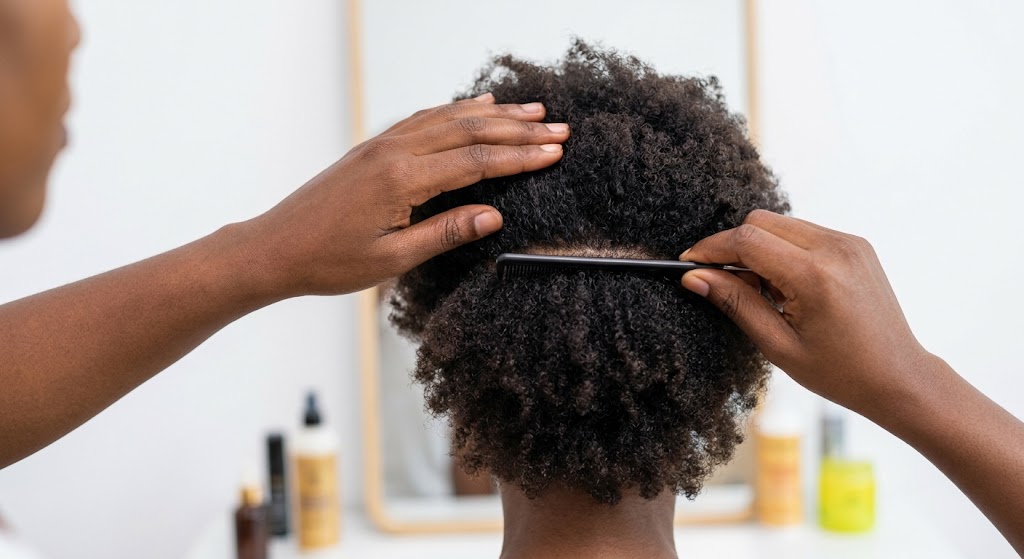
Avoid tight hairstyles
Braids, ponytails and other hairstyles can look neat, but pulling the hair tightly can put stress on the scalp and hair roots.
Repeated tension may contribute to hair breakage and, in some cases, traction alopecia, a form of hair loss caused by prolonged pulling.
Choose comfortable hairstyles and pay attention if a child complains of pain, headaches or tenderness after their hair has been styled. A hairstyle should not have to hurt to look neat.
Keep the hair moisturised
Dry hair can become more prone to tangling and breakage.
Depending on the child’s hair type, a suitable conditioner or moisturising product can help keep the hair softer and easier to manage.
Parents should avoid assuming that a large amount of product is better. Use age-appropriate products according to their instructions and stop using anything that causes irritation.
Give the hair a break
Children do not need elaborate hairstyles all the time.
Allowing the hair to remain loose or choosing simple, low-tension styles can give the scalp and hair a break, particularly after a style that involved pulling or extended wear.
Parents should also check the scalp regularly for redness, swelling, sores, excessive flaking or unusual hair loss. Persistent scalp problems should be assessed by a healthcare professional.
Ultimately, healthy children’s hair care is less about complicated routines and more about cleanliness, gentle handling and avoiding unnecessary tension. Making grooming comfortable can also help children develop a positive attitude towards caring for their own hair as they grow.