Advertisement
Explainer: How a Bank pinpad works and everything you need to know
04th May, 2026 03:26 PM
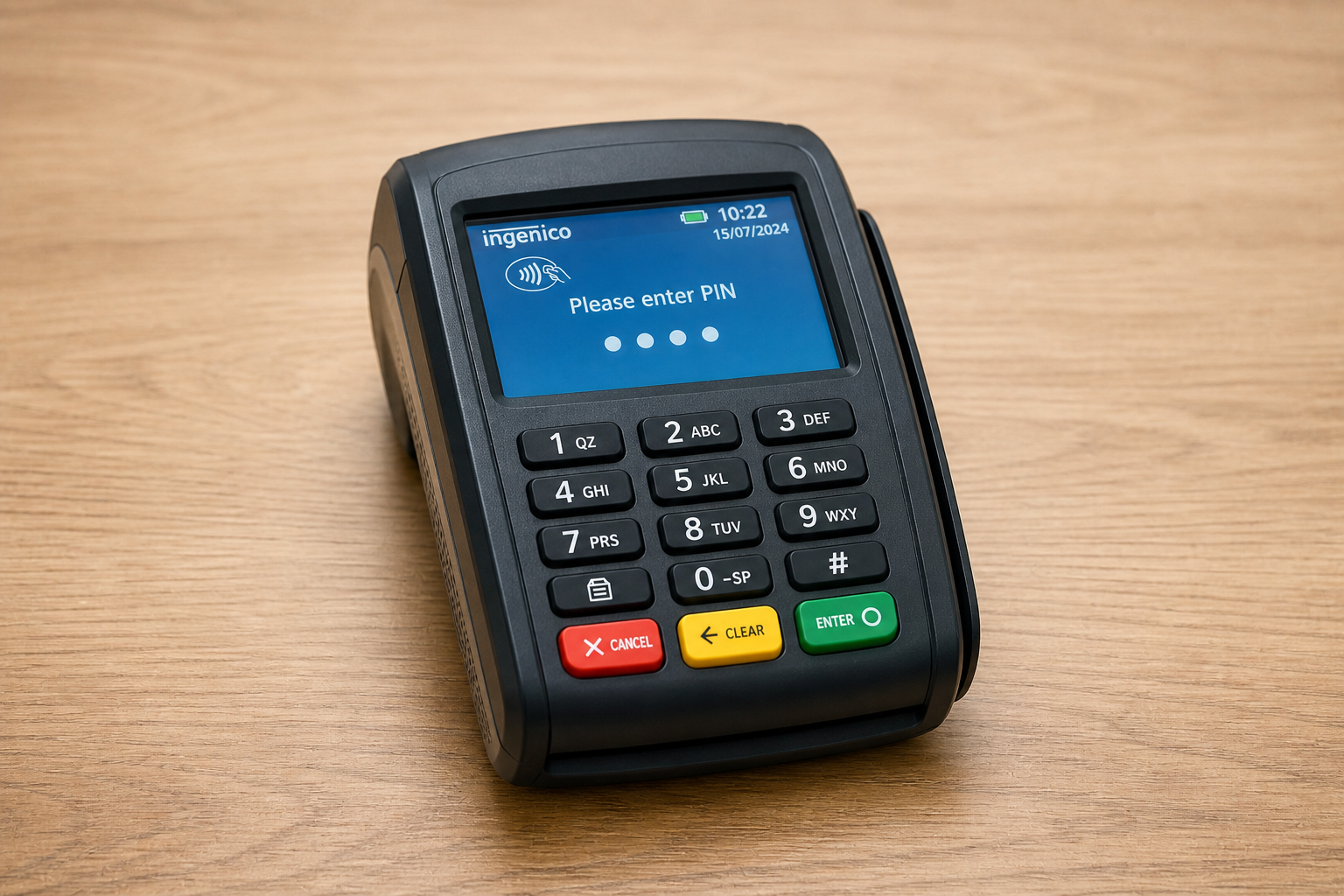
That small device you are handed at a shop or restaurant may look simple, but it is doing a lot more than just showing numbers on a screen.
A bank pinpad is designed to securely connect your card, your PIN, and your bank in just a few seconds, making sure everything checks out before money leaves your account.
What feels like a quick tap or PIN entry is actually a step-by-step process happening quietly in the background.
Inserting or tapping your card
The process begins the moment you insert, tap, or swipe your card. The pinpad reads the card’s data using a chip, contactless signal, or magnetic strip.
With modern chip cards, the card is not just storing information, it is actively “talking” to the machine.
It shares encrypted details and even generates a unique code for that specific transaction, which cannot be reused.
This is the first checkpoint. The machine is simply asking: is this card real and valid?
Machine connects with your bank
Once the card is read, the pinpad prepares the transaction. It takes the amount you are supposed to pay, combines it with your card details, and sends that information through a payment network.
At this stage, the machine is not deciding anything on its own.
It is acting like a messenger between the shop and your bank. The request travels to the bank that issued your card for verification.
Entering and protecting your PIN
If the transaction requires a PIN, the device asks you to type it in. The moment you press those numbers, the pinpad encrypts your PIN instantly.
This means your actual PIN is never visible or stored in plain form. It is turned into secure data before it even leaves the device.
In some cases, the PIN is verified directly by the chip on your card. In others, it is sent securely to your bank for confirmation.
Either way, the goal is the same: confirm that the person holding the card is the real owner.
Checking your balance and details
Now comes the decision stage. Your bank receives the request and checks a few key things:
- Is the card active and not blocked?
- Does the PIN match?
- Do you have enough money for the transaction?
- Does the transaction look normal or suspicious?
If everything is fine, the bank approves the payment. If something is off, it declines it.
All of this happens in seconds, even though it involves multiple systems communicating with each other.
Approval or decline
Once the bank makes a decision, it sends a response back through the same network to the pinpad.
If approved, the machine displays a success message and the payment goes through.
If declined, it shows a failure message, and no money is deducted.
That simple “Approved” message is actually the final step of a full verification process.
Why it feels so simple
The beauty of a pinpad is how it hides complexity. Behind a few button presses, it is reading your card, encrypting sensitive data, communicating with banks, and confirming funds, all almost instantly.
The process is designed this way so that payments feel effortless, yet remain secure at every step.
A small device with a big role
It is easy to overlook the pinpad because of how routine it feels. But every time you use it, it is acting as a secure bridge between you and your bank, making sure your money only moves when everything checks out.
That quiet reliability is what makes it one of the most important devices in everyday transactions.