Advertisement
Boni Khalwale chooses spot for his wife’s grave: Inside Luhya burial rites in polygamous families
20th August, 2026 10:48 PM
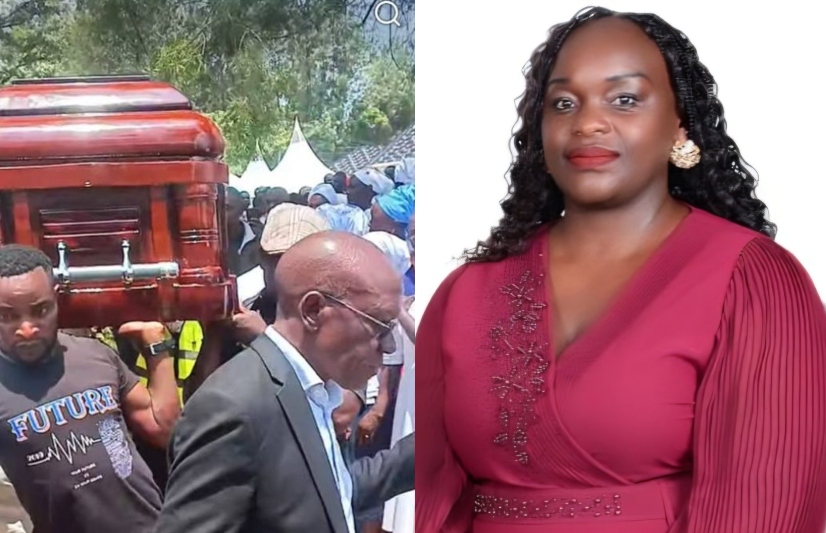
Kakamega Senator Boni Khalwale has identified the spot where his late wife, Gloria Sekeiyan Khalwale, will be buried at their family home in Malinya, Kakamega County.
Khalwale personally marked and cleared the area on Thursday, August 20, 2026, as the family began preparations for Gloria’s burial.
The development came shortly after Gloria’s body arrived at the family home from the mortuary in a hearse, accompanied by a large procession of boda-boda riders, residents and vehicles.
The senator’s decision to personally identify the burial site comes against the backdrop of traditional Luhya customs that attach significance to the positioning of homes, graves and family members within a homestead.
Why the location of a wife’s grave matters
In traditional Luhya customs, the location of a married woman’s grave is not simply a matter of convenience.
A wife is traditionally buried on the left-hand side of her house, with the positioning reflecting her place within the homestead.
The husband’s position is traditionally distinguished from that of his wife, with the patriarch’s eventual burial site occupying a different position within the homestead.
As a result, identifying the grave site is often an important part of preparations before the burial.
Traditions can, however, vary among Luhya communities and clans, meaning practices observed in one family may differ from those followed elsewhere.

The role of the husband and elders
Traditional burial practices also give the husband, family head or designated elders an important role in determining where the grave should be dug.
The ground is traditionally not broken until the appropriate person identifies the spot or formally gives permission for the digging to begin.
The practice reflects the importance attached to family authority and ancestral customs in traditional Luhya communities.
The grave is also traditionally positioned in accordance with the layout of the homestead and established cultural practices.
Dowry and burial arrangements
Traditional Luhya customs also attach importance to the relationship between the husband’s family and the deceased woman’s family.
In some traditional settings, the completion of customary marriage obligations, including dowry arrangements, is considered relevant when determining whether a wife can be buried at her husband’s homestead.
Such practices are cultural traditions rather than requirements under Kenyan law, and contemporary families may approach them differently.
What happens after a wife dies?
Luhya communities have historically observed several customs following the death and burial of a wife.
These can include mourning and cleansing rituals involving the widower and family members, depending on the particular clan and family traditions.
Some communities have also traditionally observed practices requiring a widower to temporarily change aspects of his living arrangements following his wife’s burial.
However, such customs are not uniform across all Luhya communities and have evolved over time.
Burial traditions in polygamous families
The question of burial becomes more complex in traditional polygamous households, where seniority among wives can influence the organisation of the homestead.
Traditionally, the homesteads of different wives may have distinct locations, with each wife having her own house and household space.
When a wife dies, traditional practices may provide for her to be buried within her own household area rather than alongside other wives.
The position of the grave can also reflect the layout of the particular homestead and the traditions of the specific Luhya sub-community.
What happens when the husband dies?
Traditional practices concerning a polygamous husband can differ from those concerning his wives.
In some Luhya traditions, the husband is traditionally buried at the homestead associated with the senior wife.
His body may also be taken to the homes of his other wives before the final burial, depending on the customs of the particular community.
Seniority can therefore play an important role in determining funeral responsibilities and the organisation of the burial.
Khalwale’s polygamous family
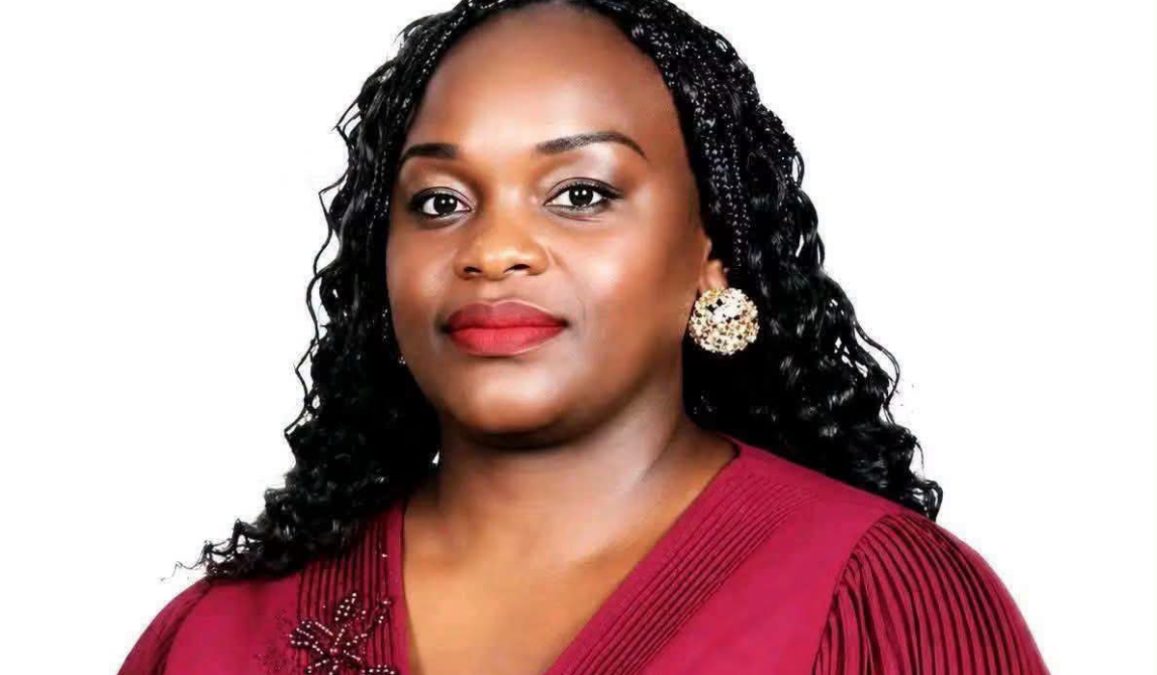
Khalwale has four wives, although two are deceased, and has 17 children.
His wives have had individual homes within his expansive family compound in Malinya.
His first wife is Adelaide Shikanga Khalwale, followed by Josephine Umina Khalwale. Gloria Sekeiyan Khalwale was his third wife, while Diana Moragwa Khalwale is his fourth wife.
Gloria’s burial preparations have therefore brought renewed attention to the cultural practices surrounding burial in traditional Luhya families, particularly those involving polygamous households.
For Khalwale’s family, the marking of Gloria’s grave site at the Malinya home represents an important step towards her final sendoff.