Advertisement
Tips to help parents avoid school opening headache in January
28th December, 2025 03:00 PM

The transition from a relaxed festive season to a structured school routine is crucial to both parents and students.
Basic education institutions, which include pre-primary, primary, junior, senior, and secondary schools, will begin the year on January 5, 2026, a few weeks after Christmas feasting and days after the New Year celebrations.
Term I will run for 13 weeks, closing on April 2, 2026. Students will enjoy a five-day half-term break from February 25 to March 1, 2026.
For any parent, this quick transition, just five days after celebrating the New Year, often proves to be quite complicated, especially in terms of finances and mental adjustment.
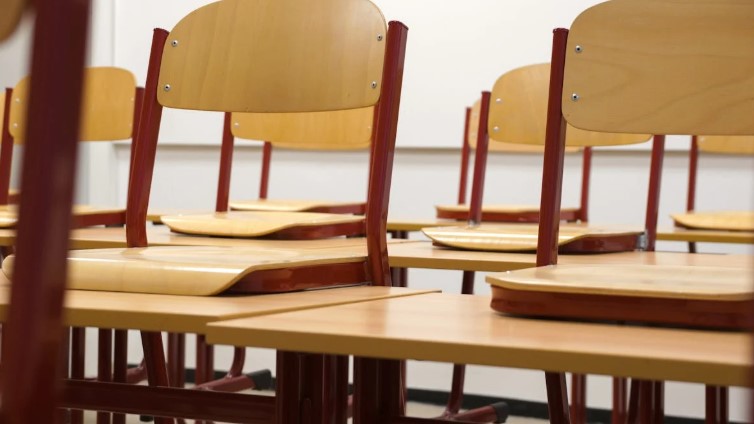
Here are some strategies that can help parents.
Setting a budget
The festive season can be draining. Most parents end up spending more than what they had planned for while having a good time with family members.
In most setups, parents often travel upcountry to celebrate with the rest of the family members. Others go on family vacations, while others prefer spending time in fancy restaurants and social places during the festive season.
However, in the process of unwinding and bonding, most parents end up overspending before the end of the year.
To avoid being a pauper or starting a year while in debt, setting a realistic budget is essential in navigating the December holiday. This involves setting aside money to spend during the festivities and having the discipline to stick with it, and then budgeting for school early.

Setting some money aside to pay school fees would go a long way in reducing the back-to-school headache for parents
Getting supplies before January
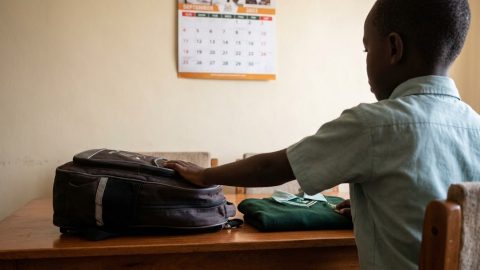
Purchase school supplies and clothing well in advance of the final week, when stores tend to be crowded and essential items may be sold out. Involve your child in the process to increase their excitement.
Additionally, review all supplies, such as pens, books, and binders, to determine which items can be reused when school resumes.
Arrange for early travel
In January, most matatus in the country take advantage of the back-to-school season to hike fares, making it hard for parents to afford.
Besides hiked fares, most parents also struggle with safety concerns such as overcrowding and reckless driving, which have on many occasions resulted in accidents.
To beat the January rush, parents can check schedules and fares in advance. This can also help them opt for safer, more reliable school transport when available.

Start adjusting your child’s routine
Besides financial factors, back-to-school can also have an emotional toll on parents and students. One of the most effective ways to ease back-to-school anxiety is by establishing a routine and structure.
A consistent schedule provides a sense of stability and predictability, which can help alleviate anxiety for both parents and students. Start by setting regular wake-up and bedtime routines to ensure an adequate amount of sleep.
These tips can help parents and students navigate as they prepare for the April holiday, set for three weeks, from April 7 to April 24, 2026. Term II is scheduled to last 14 weeks, opening on April 27 and concluding on July 31, 2026.