Advertisement
Why govt banned milk powder imports and halted all hawking
02nd November, 2025 09:07 PM
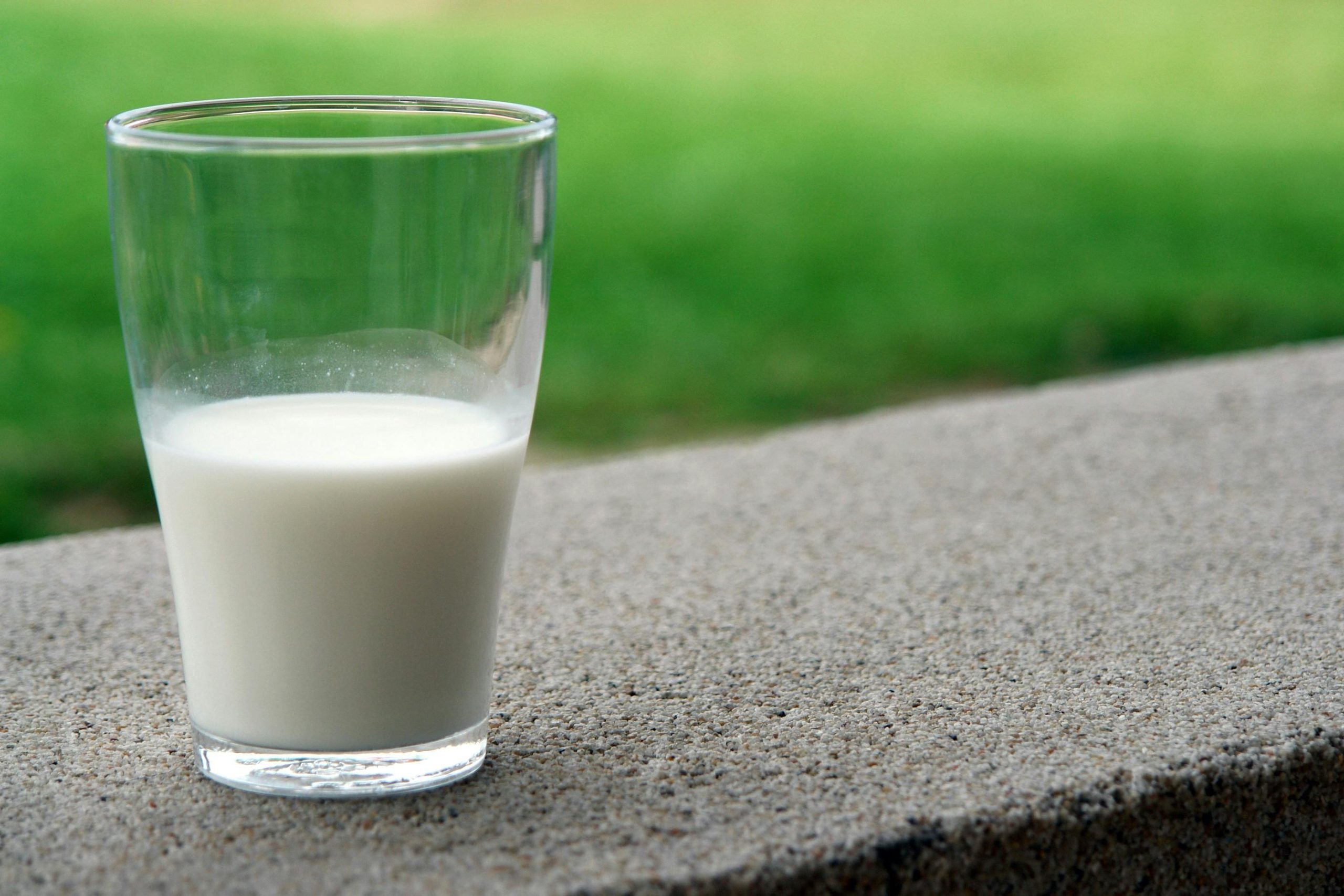
The Ministry of Agriculture says the move to ban the import of milk and all its hawking aims to protect local dairy farmers from unfair competition as the local milk supply increases.
Agriculture Cabinet Secretary Mutahi Kagwe explained that allowing milk powder imports now would hurt farmers’ earnings, while stopping hawking will ensure milk sold meets proper safety and quality standards.
Kagwe said that the ministry has also launched a crackdown on unlawful milk importers and hawkers in the country. According to the CS, these traders have been importing unfit milk, which has, in turn, led to health complications for some individuals, especially children.
“We also want to warn those unlawful importers of milk powder into the country that we have noticed what they are doing and we will make them stop,” Kagwe stated.
“That is why we also banned the concept of milk hawking because mothers started complaining that their children were getting diarrhoea, and others were getting sick, and therefore that is why the milk industry should be properly regulated,” he explained.

Why the ban?
Milk powder is milk that has been dehydrated by removing most of its water, making it a non-perishable alternative to fresh milk. The powder can be used in baking, cooking, and as an ingredient in products like infant formula.
Before the ban, Kenya imported its milk powder from countries like Uganda, the United Arab Emirates, the Netherlands, France, Belgium, and Oman.
The announcement follows last month’s statement by the CS that the government will roll out a Good Quality Milk certification programme, aimed at rewarding farmers based on the quality of milk they produce.
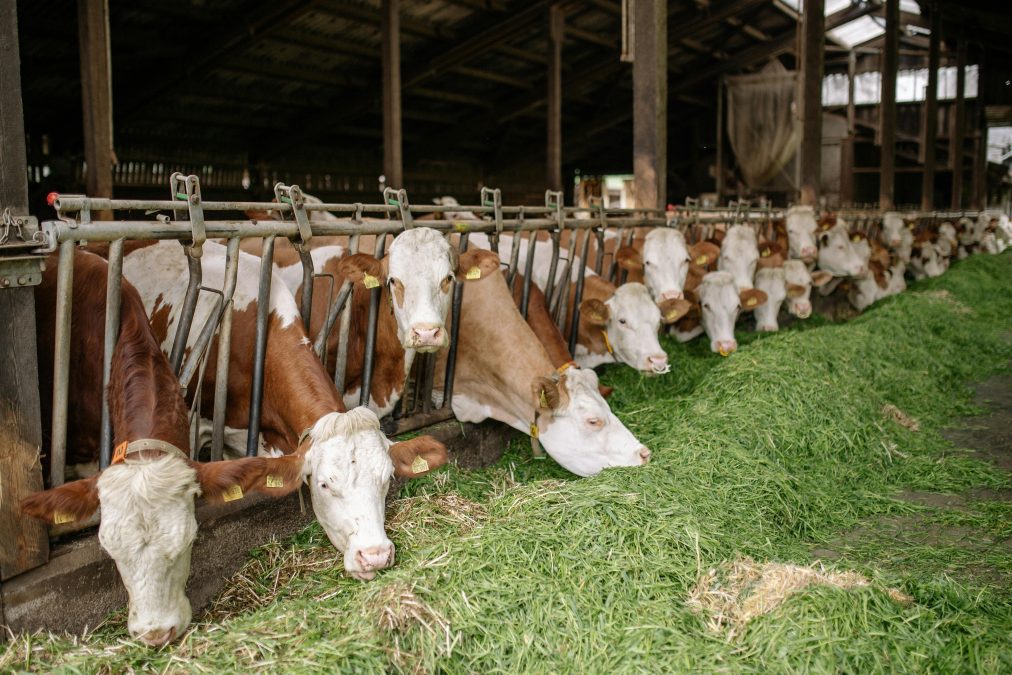
Speaking on Tuesday, September 30, 2025, Kagwe said that the system will ensure that farmers who supply high-quality milk will be rewarded with premium payments compared to those who supply substandard milk.
According to Kagwe, aflatoxin-contaminated animal feeds, especially maize feeds, are the key reason contributing to substandard milk in the market. Kagwe claimed that toxins in maize feeds pass directly into the milk, thus making the milk unfit for consumption.
“We must all produce good quality milk, and the farmer must be recognised for doing the right thing. It cannot be the same amount for bad and good. Those who produce better will earn better,” Kagwe said.
What the ban means
The government’s decision to ban milk powder imports and stop milk hawking is expected to have a significant impact on both farmers and the economy.
For local dairy farmers, the move offers much-needed relief, especially during peak production seasons when milk supply is high, and prices tend to drop.
By blocking imported milk powder, the government aims to stabilise local prices, ensuring farmers earn fair returns for their produce instead of being undercut by cheaper, imported alternatives.
Kagwe said the ban also seeks to safeguard public health and improve the quality of milk consumed locally. The crackdown on hawking is part of efforts to eliminate unsafe, unregulated milk from the market.

According to the CS, some hawkers and importers have been selling substandard or contaminated milk, which has led to health issues, particularly among children.
The ban, therefore, not only protects farmers’ livelihoods but also ensures consumers get safe and properly processed milk.
Economically, the policy could help strengthen Kenya’s dairy sector, one of the country’s key agricultural industries. By encouraging local processing and promoting quality standards, the government hopes to boost domestic production capacity and create more opportunities for value addition.
This aligns with the planned Good Quality Milk certification programme, which will reward farmers based on milk quality rather than quantity.
In the long term, the ban is expected to promote sustainable dairy farming and improve competitiveness in the sector.