Advertisement
Raval’s 20-year Ruto wish: Can Kenya afford a long-term presidency?
23rd November, 2025 06:50 PM
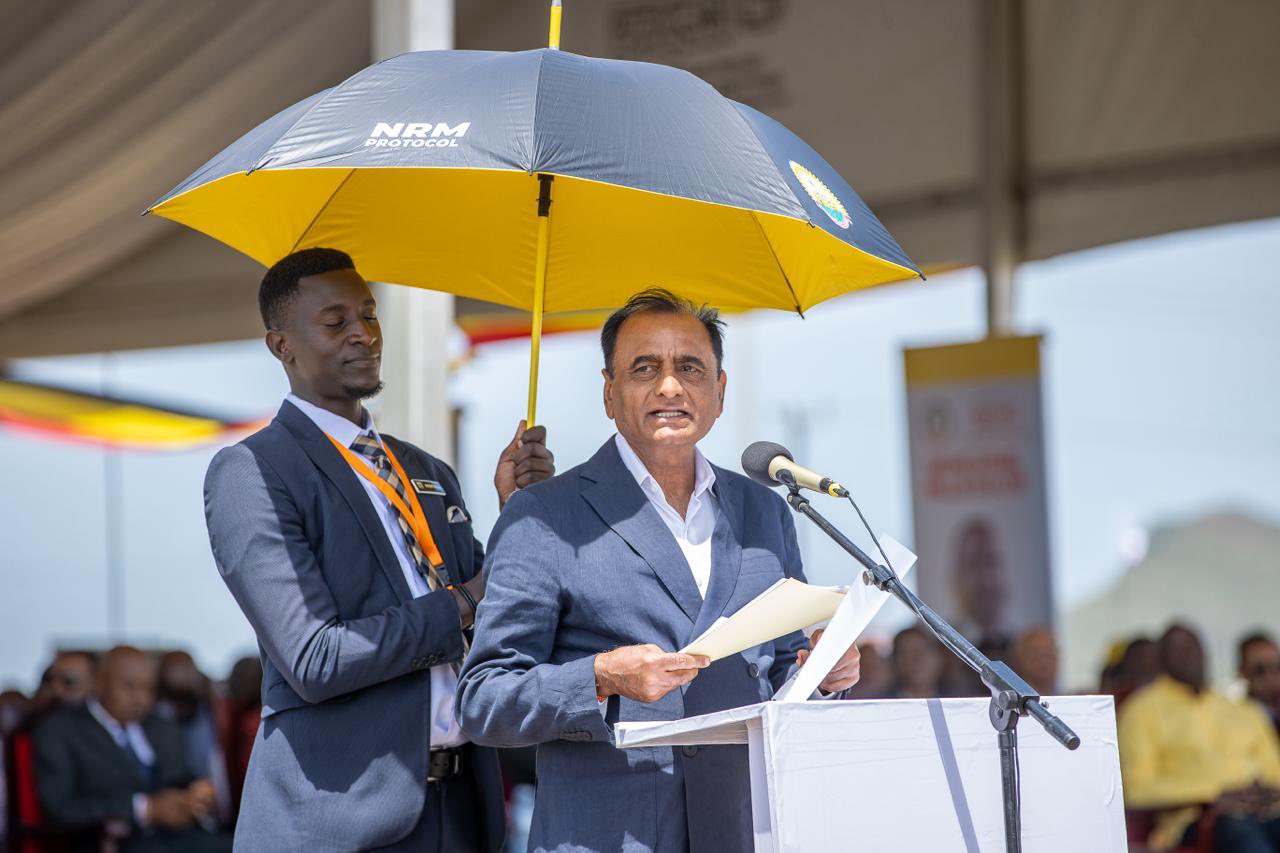
Billionaire industrialist and philanthropist Narendra Raval has once again made headlines with his repeated call for President William Ruto to serve a term extending beyond the current constitutional limit.
Speaking at the launch of a Devki Group project in Tororo, Uganda, on Sunday, November 23, 2025, Raval hailed the President’s development record and argued that Kenya requires long-term leadership to tackle unemployment, streamline reforms, and drive sustained economic growth.
Also watch: Ruto vows not to hand over power to ‘clueless’ opposition
“Narudia tena kusema William Ruto should lead for the next 20 years plus though the constitution does not allow, last time nilisema nilikuwa napigwa sana,” Raval stated, emphasising his belief that prolonged, consistent leadership could accelerate Kenya’s development agenda.
Raval’s earlier sentiments
Raval’s remarks echo similar sentiments he expressed earlier this year during the Cemtech Limited Clinker Plant launch in West Pokot County, where he suggested a 25-year presidency to ensure continuity in development projects.
“Our President is here, and I am happy. I was worried if he could come with this weather, but he managed to come through the road. He loves this country so much. I have no words to say thank you to him; may God give him 100 years of life. I wish we had him as president for at least 25 years. He will develop this country,” he said at the time.
However, Raval’s proposition has reignited a broader debate on the risks and implications of long-term presidencies in Kenya and across Africa.
While stability and continuity in governance can sometimes enhance policy delivery, history offers cautionary lessons on the dangers of extended leadership terms.
Lessons from Africa’s
Across the continent, several leaders who overstayed their mandates often witnessed a mix of achievements and troubling consequences:
- Economic gains shadowed by stagnation: While some leaders delivered infrastructure and industrial projects, extended rule frequently created environments prone to corruption, cronyism, and weakened institutions.
- Democratic erosion: Long-term presidencies can undermine checks and balances, weaken parliament, and curtail independent institutions, eroding public trust in democratic governance.
- Political unrest: Calls to extend terms or remove constitutional limits have historically triggered protests, political instability, and, in extreme cases, violent conflicts.
- Succession crises: Extended rule can discourage political renewal and grooming of future leaders, leaving nations vulnerable during transitions or after sudden departures.
Kenya’s 2010 Constitution was designed with a two-term limit to prevent the concentration of power and safeguard democratic principles. Any attempt to amend or ignore these provisions could set a controversial precedent.
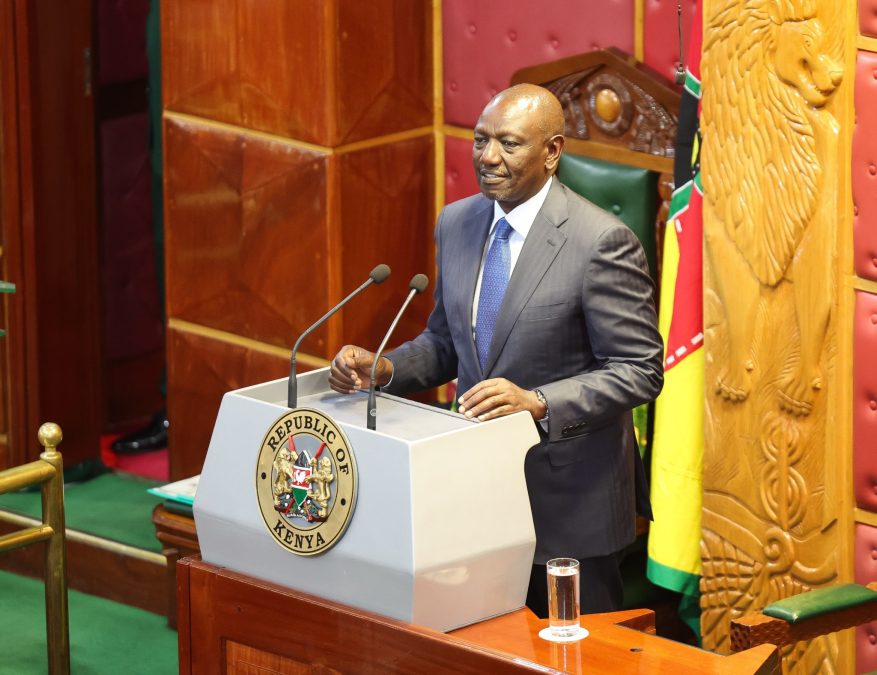
Supporters of long-term leadership, like Raval, argue that five-year terms or even ten-year leadership periods are insufficient for implementing transformative policies, especially in areas like housing, manufacturing, healthcare, and infrastructure.
Cherargei’s argument
Nandi Senator Samson Cherargei, who in 2024 ignited the fresh calls, claimed that five years might be insufficient for a president like Ruto, given the workload that is bestowed upon him or her in terms of service delivery to Kenyans as promised in the election manifesto and running of the government.
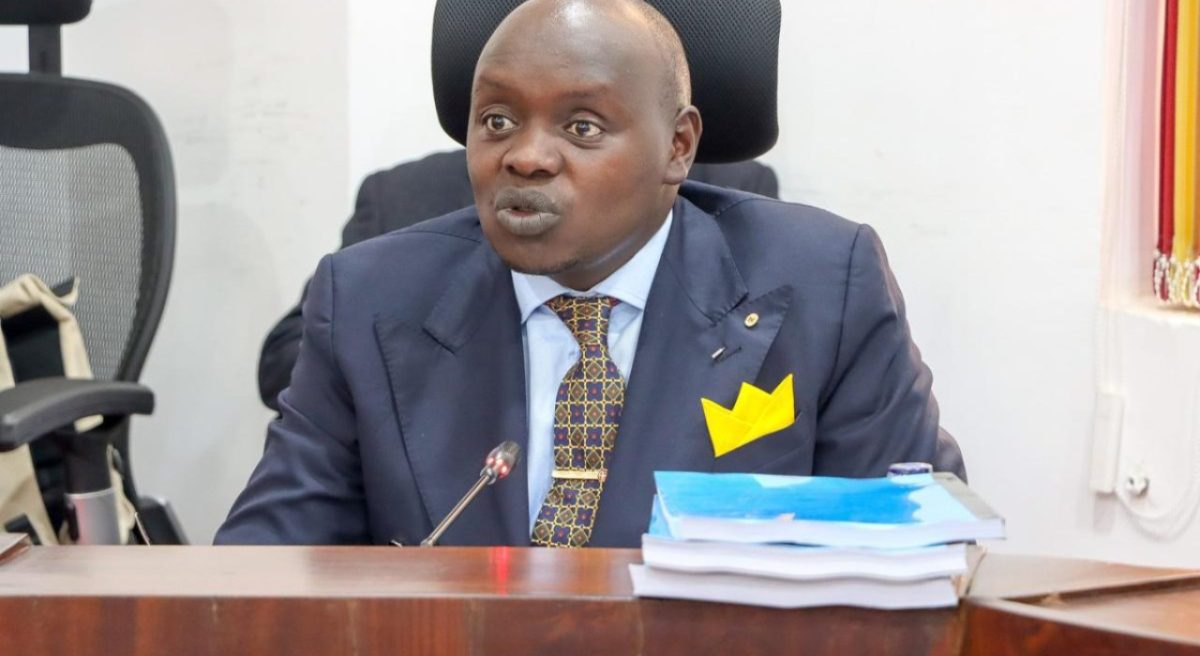
Critics, however, insist that sustainable development must coexist with strong institutions and democratic safeguards. They argue that leadership continuity should not come at the expense of term limits, transparency, or public accountability.
The opposition and Kenyans opposed to Ruto’s leadership have been arguing that one term is enough for him, while the Head of State’s supporters argue that he deserves another term, to make it two for him.
But can Kenya afford a long-term presidency again after former President Daniel Moi? Well, extending a presidential term limit from the current five years is viewed by many as an impossible task, with the Constitution of Kenya carrying complex mechanisms for amending certain fundamental provisions, and the presidential term limit happens to be one of them.
One of the requirements is that the proposal would have to be approved by Kenyans in a referendum. Voters are unlikely to accept any efforts to interfere with what is a robust and effectively functioning constitutional system.