Advertisement
How to increase your chances of receiving more electricity tokens
19th November, 2025 03:49 PM
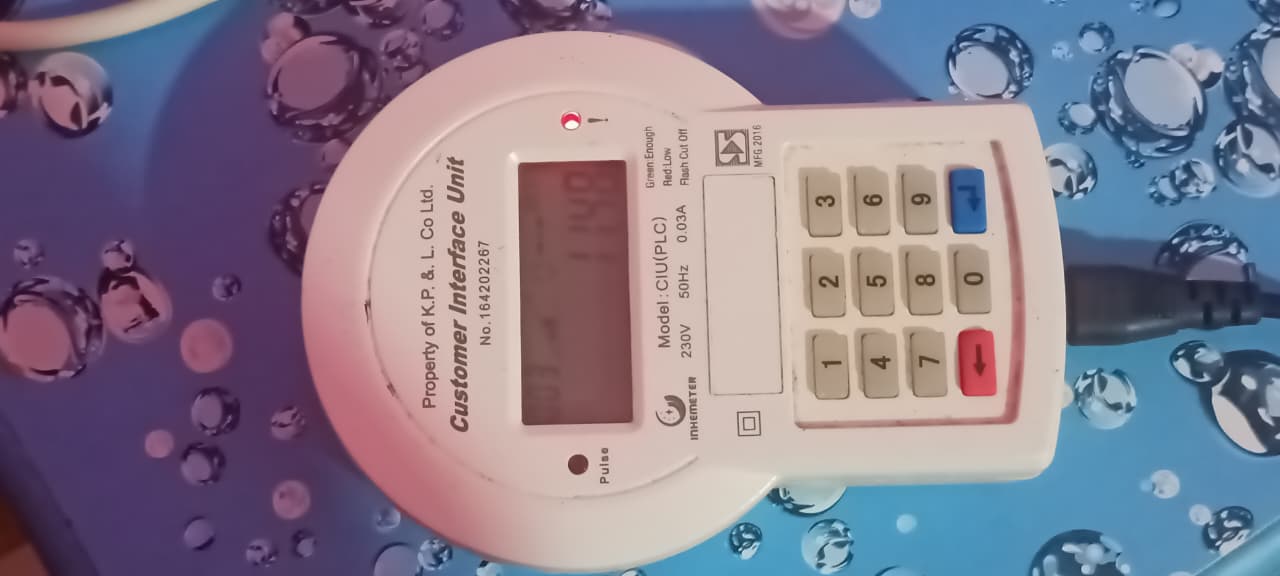
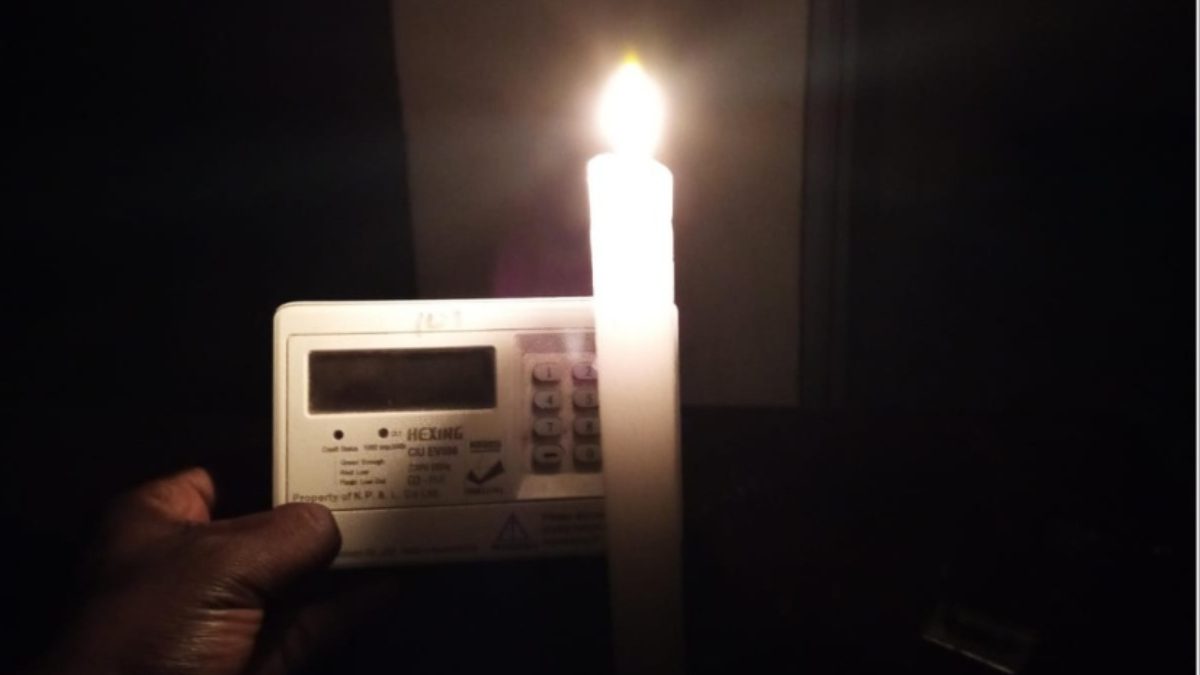
Many households often wonder why they receive fewer electricity tokens than their neighbours despite paying the same amount.
It feels confusing, sometimes unfair, but Kenya Power says the difference has nothing to do with favouritism.
Also watch: CS Wandayi cracks whip on rogue Kenya Power officials
Instead, everything comes down to how much electricity a household uses over time and the tariff bracket one falls into.
KPLC classification of customers
Kenya Power groups its customers into three tariff categories based on monthly consumption. This classification changes automatically after three consecutive months of usage:
1. The first bracket is the Lifeline Tariff, for customers who use 0 to 30 units monthly.
2. The second is Domestic Ordinary 1 (DO-1), for 31 to 100 units.
3. The third is Domestic Ordinary 2 (DO-2), for users who consistently exceed 100 units a month.
According to Kenya Power, when a customer crosses the limit of their current tariff for three consecutive months, they are automatically moved up.

And the higher the tariff, the fewer tokens one receives for the same amount of money.
“Kenya Power categorises customers into different tariffs based on monthly consumption patterns after three consecutive months, through automatic reclassification of tariffs.
“For example, if a customer consumes more than 30 units for three months in a row, they are reclassified from the Lifeline Tariff to DO-1. The higher the tariff, the fewer tokens one gets for the same amount of money,” Kenya Power said on October 10, 2025.
This means two people can pay KSh500, but the one in a higher tariff, due to a history of high usage, will receive fewer tokens.
How to stay in a lower tariff
To improve your chances of receiving more tokens, the goal is simple: lower your monthly electricity consumption so you remain within a cheaper tariff.
Below are household practices that help you reduce usage without compromising comfort:
1. Turn off appliances not in use
Lights, water heaters, irons, TVs, and microwaves continue consuming power when left on or plugged in. Switching them off, especially during the day, can significantly cut your load.
2. Use energy-saving bulbs and accessories
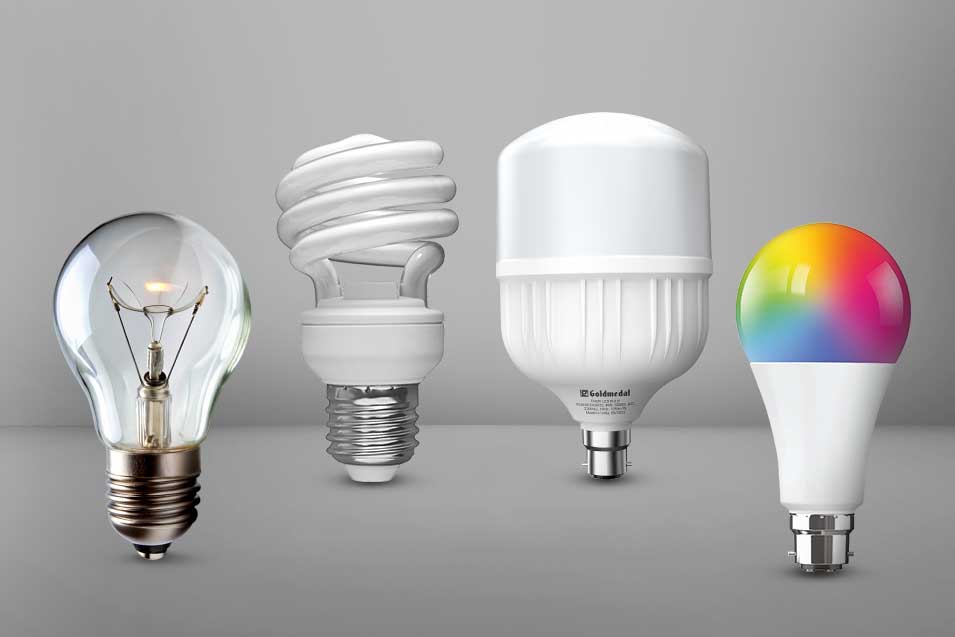
LED bulbs and energy-efficient appliances use far less electricity. Replacing old incandescent bulbs can immediately lower consumption.
3. Avoid unnecessary daytime lighting
Maximise natural light. A single bulb left on for hours every day can push your usage upward over time.
4. Ensure proper wiring and earthing in your home
Poor wiring causes leakages that silently increase power consumption. Missing earthing or ageing cables can force appliances to draw excess electricity, placing you into a higher tariff without realising it.
5. Monitor your meter regularly
Keeping track of weekly usage helps you notice spikes early and adjust before crossing into a higher bracket.
Kenya Power encourages households to seek clarification through official channels and to monitor their usage patterns.
By adopting smarter energy habits, customers can remain in lower tariff categories and receive more tokens for the same amount.