Advertisement
How Palestinian artists are defying odds to keep the spirit of resilience alive
18th November, 2025 07:34 AM
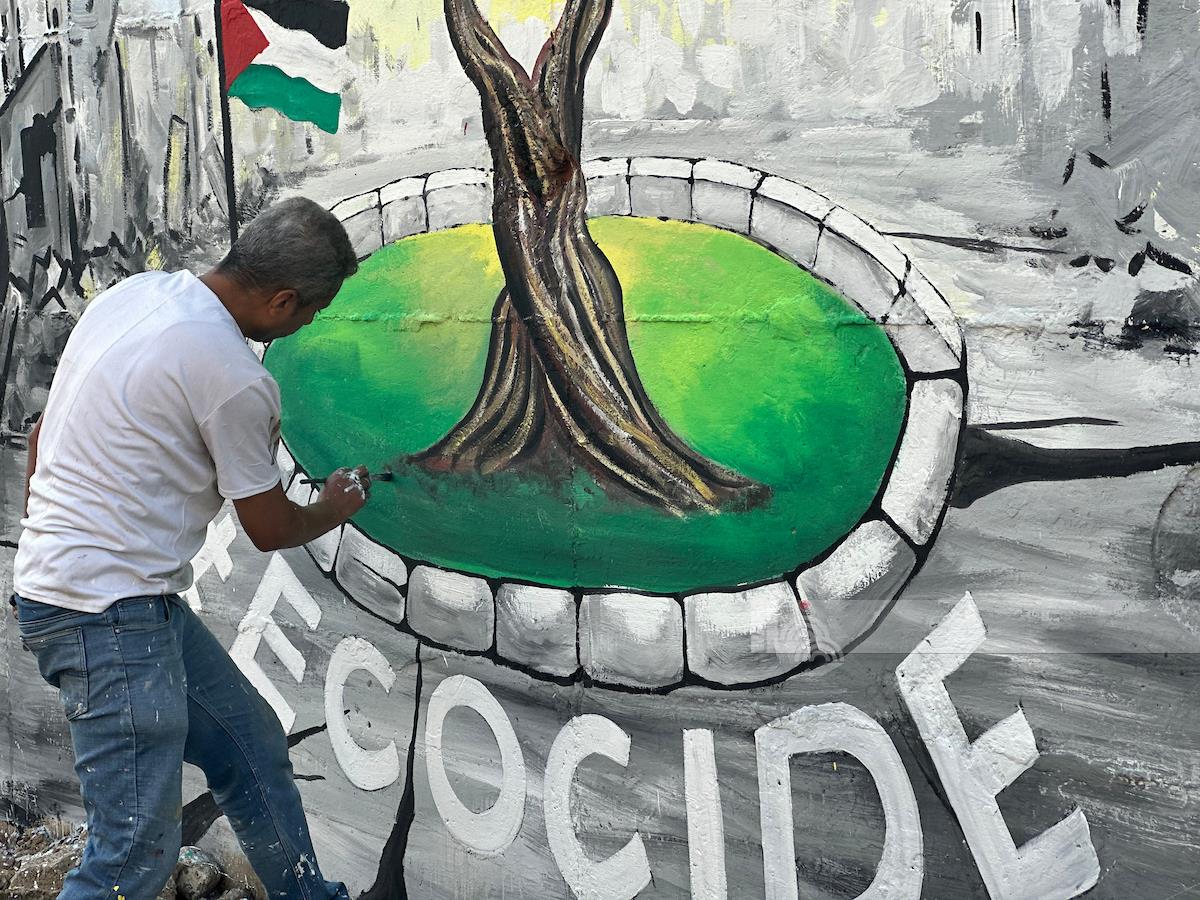
In the quiet of his Ramallah studio in the occupied West Bank, Palestinian artist Nabil Anani works diligently on artworks deeply rooted in a movement he helped create during the political tumult of the late 1980s.
Cofounded in 1987 by Anani and fellow artists Sliman Mansour, Vera Tamari, and Tayseer Barakat, the New Visions art movement focused on using local natural materials while eschewing Israeli supplies as a form of cultural resistance.
The movement prioritised self-sufficiency at a time of deep political upheaval across occupied Palestine.
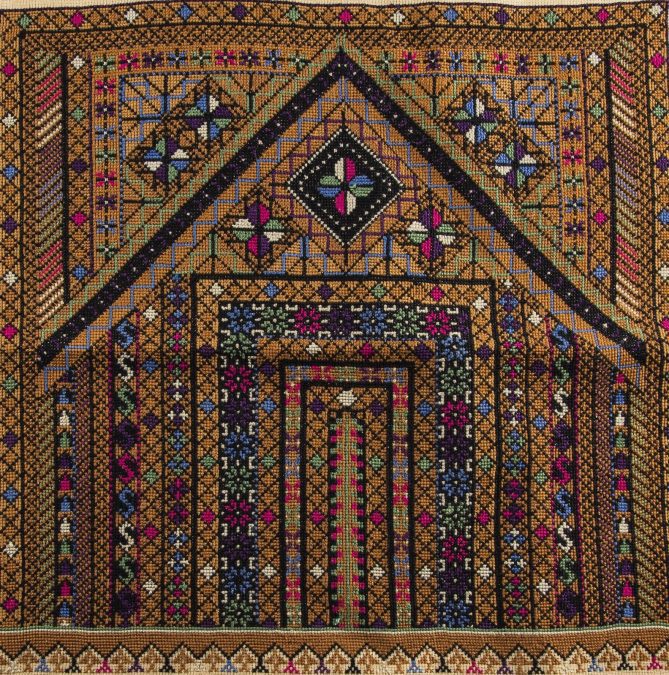
“(New Visions)emerged as a response to the conditions of the Intifada,” Anani said. “Ideas like boycott and self-reliance inspired a shift in our artistic practice at the time.”
Each of the founding members chose to work with a specific material, developing new artistic styles that fit the spirit of the time. The idea caught on, and many exhibitions followed locally, regionally, and internationally.
Nearly four decades later, the principles of New Visions – self-sufficiency, resistance and creation despite scarcity – continue to shape a new generation of Palestinian artists for whom making art is both an expression and an act of survival.
Anani, now 82, and the other founding members are helping keep the movement’s legacy alive.
Why New Visions?
“We called it New Visions because, at its core, the movement embraced experimentation, especially through the use of local materials,” Anani said, noting how he had discovered the richness of sheepskins, their textures and tones and began integrating them into his art in evocative ways.
In 2002, Tamari, now 80, started planting ceramic olive trees for every real one an Israeli settler burned down to form a sculptural installation called Tale of a Tree. Later, she layered watercolours over ceramic pieces, mediums that usually do not mix, defying the usual limits of each material, and melded in elements of family photos, local landscapes and politics.
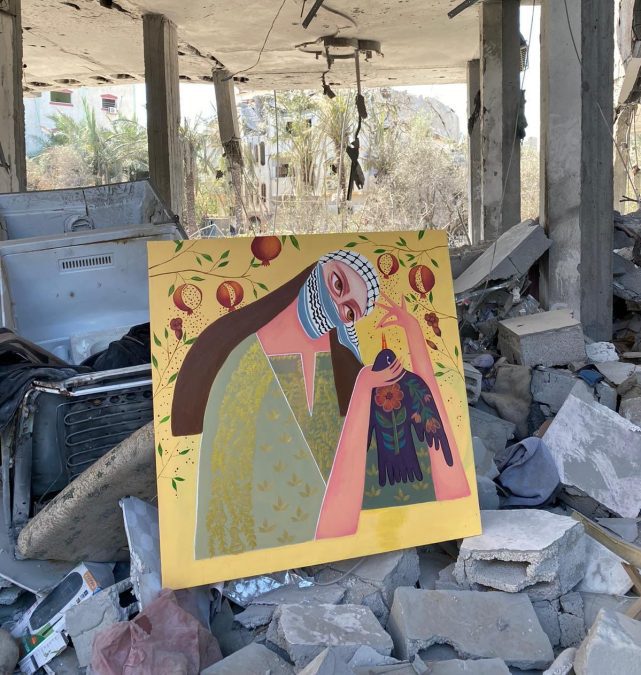
Sixty-six-year-old Barakat, meanwhile, created his own pigments and then began burning forms into wood, transforming surface damage into a visual language.
“Other artists began to embrace earth, leather, natural dyes – even the brokenness of materials as part of the story,” Mansour, 78, said, adding that he had personally reached a kind of “dead end” with his work before the New Visions movement emerged, spending years creating works centred around national symbols and identity that had started to feel repetitive.
“This was different. I remember being anxious at first, worried about the cracks in the clay I was using,” he said, referring to his use of mud. “But, in time, I saw the symbolism in those cracks. They carried something honest and powerful.”
A legacy maintained but tested
The work of Lara Salous, a 36-year-old Palestinian artist and designer based in Ramallah, echoes the founding principles of the movement.
“I am inspired by [the movement’s] collective mission. My insistence on using local materials comes from my belief that we must liberate and decolonise our economy.”
“We need to rely on our natural resources and production, go back to the land, boycott Israeli products, and support our local industries,” Salous said.
Through Woolwoman, her social enterprise, Salous works with local materials and a community of shepherds, wool weavers, and carpenters to create contemporary furniture, like wool and loom chairs, inspired by ancient Bedouin techniques.
But challenges like the increasing number of roadblocks and escalating settler violence against Palestinian Bedouin communities, who rely on sheep grazing as a basic source of income, have made working and living as an artist in the West Bank increasingly difficult.