Advertisement
How funding crisis affects KDF operations in Somalia
21st October, 2025 06:46 AM
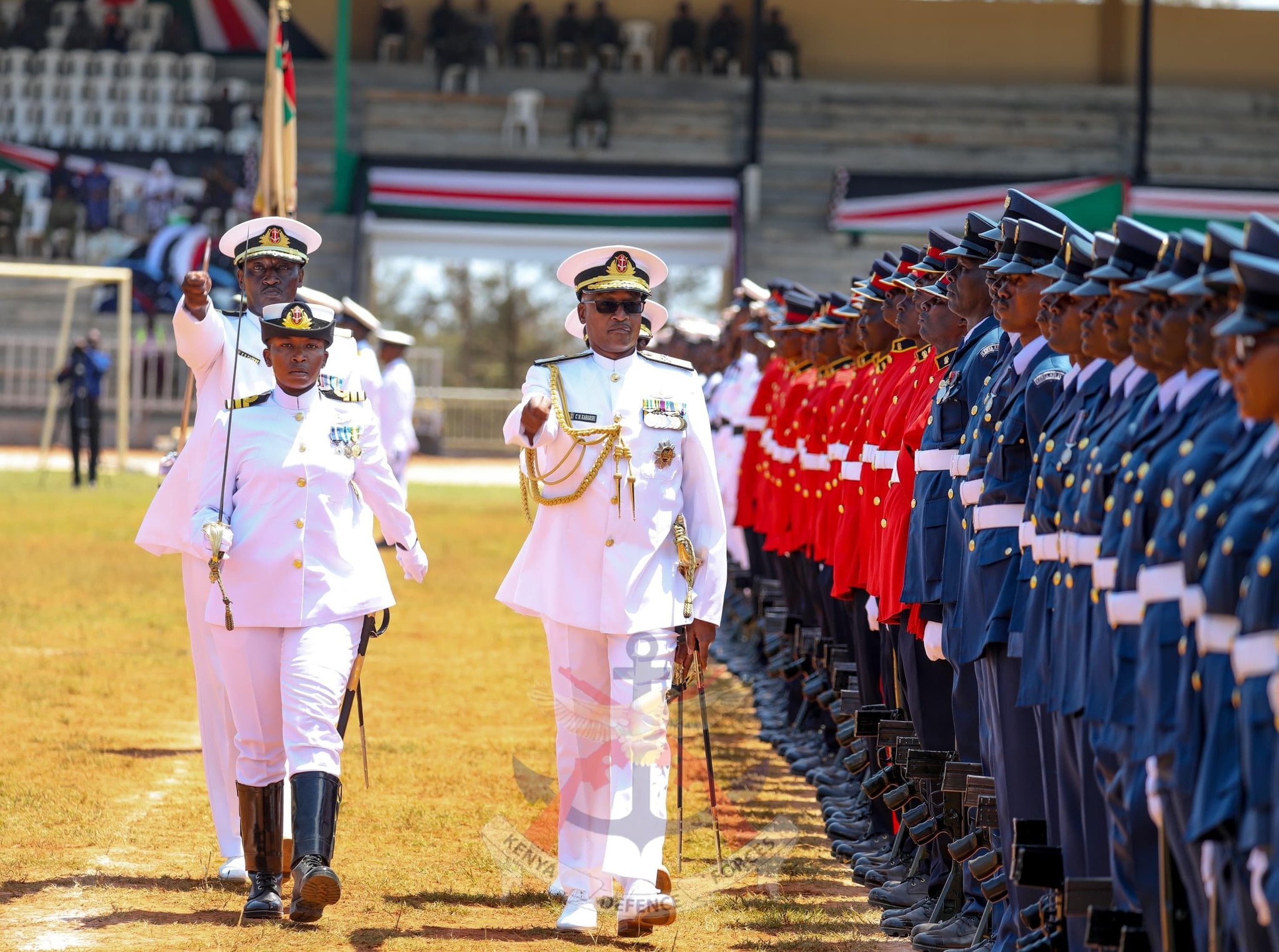
The Kenya Defence Forces (KDF) are grappling with the effects of shrinking international funding, a situation that now threatens to derail gains made in the fight against terrorism in Somalia.
Kenya has been a key player in regional peacekeeping efforts since 2011, when it first deployed troops into Somalia under Operation Linda Nchi to combat the militant group Al-Shabaab.
Also Watch: SOG Intensifies Fight Against Al-Shabaab in Boni Forest
Over a decade later, the mission has evolved, transitioning from African Union Mission in Somalia (AMISOM) to ATMIS (African Union Transition Mission in Somalia), and more recently, into the African Union Support and Stabilisation Mission in Somalia (AUSSOM).
Yet despite these shifts, one constant challenge remains: money.
At the 2025 United Nations Troop Contributing Countries (UNTCC) Army Chiefs Conclave held in New Delhi, India, Kenya Army Deputy Commander Major General Mohamed Hassan offered a candid assessment of the financial strain undermining peacekeeping missions in the Horn of Africa.
Also Watch: Kenyan soldiers remember fallen brothers and those battling Al-shabaab in Somalia – KDF DAY
“The sustainability of any peace mission is only as strong as its funding base. The shortfalls we are experiencing have directly affected our operational capabilities on the ground,” Major General Hassan said.
Kenya currently maintains approximately 3,000 troops in Somalia. These forces are tasked with supporting Somali security forces, protecting civilians, and combating extremist threats.
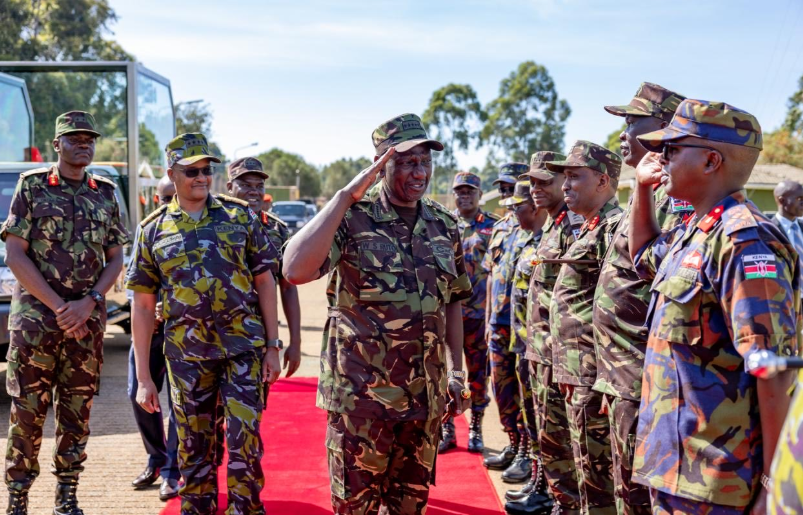
However, dwindling financial support, particularly from traditional international donors, has led to logistical challenges, delayed troop rotations, and a shortage of critical supplies such as fuel, medical equipment, and communication tools.
These constraints could reverse the progress made in stabilising southern Somalia and create a security vacuum that extremist groups could exploit.
“Peacekeeping is not just about boots on the groundIt requires coordinated planning, reliable logistics, and long-term political support, all of which are difficult to maintain under financial pressure,” he noted.
Also Watch: Kenya set to withdraw Kenya Defence Forces from Somalia by December next year
The issue is not unique to Kenya. Other troop-contributing countries across Africa have reported similar constraints, prompting broader calls for reforms in how peace missions are financed and managed.
Discussions at the New Delhi conclave highlighted the need for predictable funding mechanisms, improved transparency in mission budgeting, and stronger partnerships between the United Nations, African Union, and donor states.
Kenya’s military leadership has called for a new model that aligns funding with changing mission realities. As extremist groups in Somalia evolve and adopt new tactics, peacekeeping forces must also adapt. This includes investing in modern surveillance technology, enhanced mobility, and joint training initiatives.
To this end, the Kenyan delegation at the conclave signed a cooperation agreement with India’s Centre for United Nations Peacekeeping (CUNPK). The deal, facilitated by the International Peace Support Training Centre (IPSTC) in Nairobi, aims to strengthen joint training, knowledge sharing, and capacity building between the two nations.
However, such partnerships, while important, cannot fully replace the steady flow of international funding required for sustained operations.
“The future of peacekeeping depends not just on troop numbers, but on how missions are structured, supported, and financed. We must rethink mandates, redefine success, and secure lasting political solutions backed by adequate funding,” Maj Gen Hassan explained.
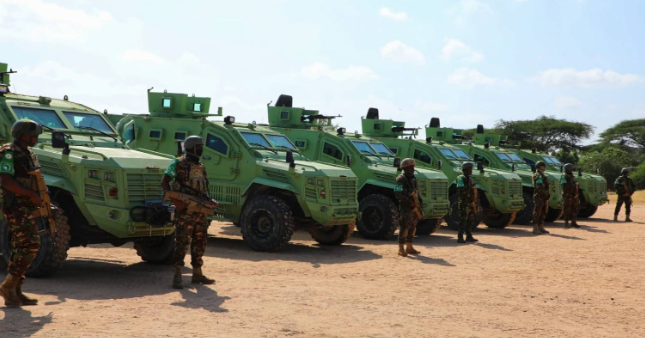
Peace mission at stake?
The funding crisis is directly weakening the KDF’s ability to carry out its operations effectively in Somalia.
Without consistent financial support, mission planning and supply chains are disrupted. Troops face shortages in key areas like transport, medical care, and communication systems, which are essential for both combat and humanitarian efforts. This puts soldiers at greater risk and limits their ability to secure areas once cleared of militant groups.
As the missions shift from AMISOM to AUSSOM, the lack of funding undermines the transition process. Planned handovers to Somali forces slow down, and the withdrawal of troops becomes uncoordinated.
This can create power vacuums in contested regions, which groups like Al-Shabaab can quickly exploit to regroup or expand. The long-term goal of building a stable Somali security infrastructure becomes harder to achieve under these conditions.
If financial gaps persist, peace operations will become reactive rather than preventive, risking the collapse of fragile security arrangements built over years.
Peacekeeping missions like Kenya’s in Somalia show that commitment alone is not enough. Without the necessary resources, even well-trained and experienced forces will struggle to maintain gains or respond to new threats. This could lead to a wider regional instability, affecting not only Somalia but neighbouring countries as well.