Advertisement
How birth control aid cuts are hurting women
27th October, 2025 09:25 AM
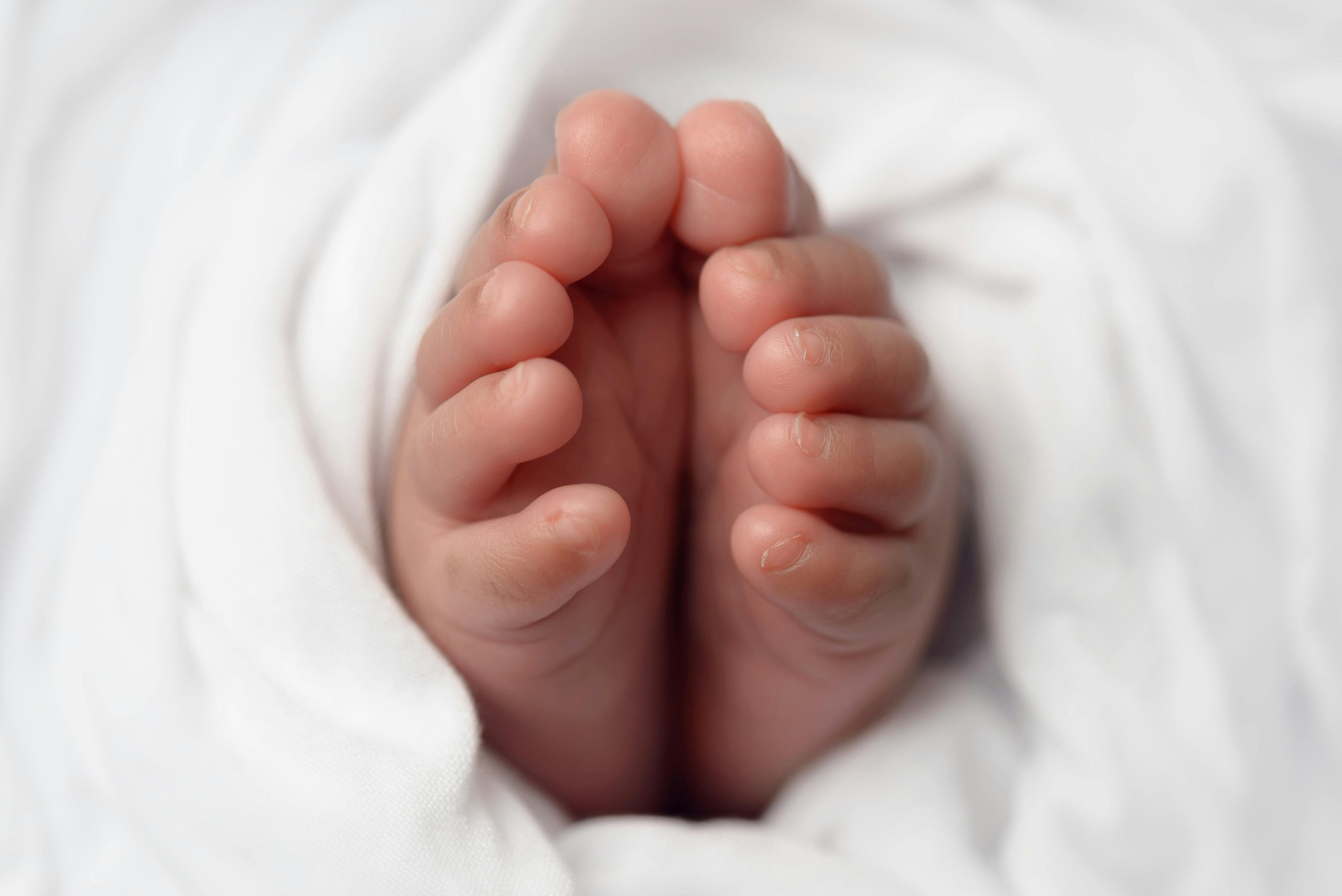
The women here are warriors,’ says a midwife in Joal, and contraception is key to their health and life chances. But now, UK and US aid cuts threaten to undo years of progress
The fishing quay on the beach at Joal is usually so crowded with women dealing with the day’s catch that you can barely glimpse the sea. But today it is quiet, just an expanse of broken shells and plastic bags that leads down to the water’s edge.
Also Watch: Women encouraged to seek guidance on the best contraceptive options
Last night, as is increasingly common here on Senegal’s coast, there was a storm and heavy rain, so the men could not go to sea safely in their open wooden fishing boats, known as pirogues. Many houses were flooded, so women stayed at home for the day, baling out bedrooms and dealing with the aftermath. Times are tough.
Life feels increasingly precarious, “like I’m holding on to nothing”, says Adama Faye, 29. Her husband fishes, and when he and his colleagues can get out to sea, industrial trawling means their catches are small.

Today, Faye is one of a throng of women at the local health clinic. A team from MSI Reproductive Choices is in town, as part of a UK-funded programme.
MSI comes to the area once every couple of months, offering women contraception to prevent the life-threatening back-to-back pregnancies that have been the norm here. Having a measure of control over the babies they have means women can work, and not be reliant on the men and their dwindling fishing incomes.
But aid cuts are threatening that lifeline. As women wait in seats lining the corridor, community workers talk to them about their options. A coil, also known as an intrauterine device (IUD), which is fitted in the womb to prevent pregnancy, is passed along the line of women. There is relief that it is small and light; it is colloquially known as an “appareil”, the same French word used for a phone or a camera.
Health crisis
“The women here are warriors,” says Amy Mbaye, 28, the midwife in charge of the health post, who has worked there for almost a decade.
Women here tend to have nine or 10 pregnancies, including two or three miscarriages or stillbirths, she says. She can reel off a list of the risks posed by multiple pregnancies close together: severe anaemia, higher rates of miscarriage, and maternal deaths.
Abortion is illegal in Senegal, so unsafe backstreet terminations are rife.
Mbaye can see the town getting poorer. “Everything is linked to the sea,” she says. “Too often you will call a woman to come for a checkup and she will say, ‘nothing is coming out from the sea, so we don’t have enough, I can’t come’.”
MSI is the only organisation that comes here regularly, she says. Senegal is a poor country of nearly 19 million people, struggling with debt and a lack of natural resources; government funding is unreliable.
The clinic lacks basic supplies such as medical gloves to prevent the spread of infection. It is a dilapidated building, where several buckets are catching leaks, but is the first port of call for a population of 28,000 people – about 7,000 of whom are women of reproductive age.
Coumba Dieng, 52, can also feel the community getting poorer. She has a business selling meals to the men when they return from fishing at sea.
Once, people would eat a proper meal at lunch and at dinner, she says – now it is once a day. In the evening, most of her customers will choose fondé, a cheap millet porridge.
She remembers how, as a newlywed in the 1990s, her neighbours would share their catch, bringing her a big fish with no expectation of payment.
“Now, if I want to cook thieboudienne (Senegal’s national dish of fish and rice), I have to go to the market and buy the fish. And it is expensive,” she says.
Dieng has seven children, with gaps as little as nine months between them. The succession of pregnancies hit her health, she says. She developed high blood pressure and felt weak.