Advertisement
Boy with rare condition amazes doctors after world-first gene therapy
24th November, 2025 07:37 AM
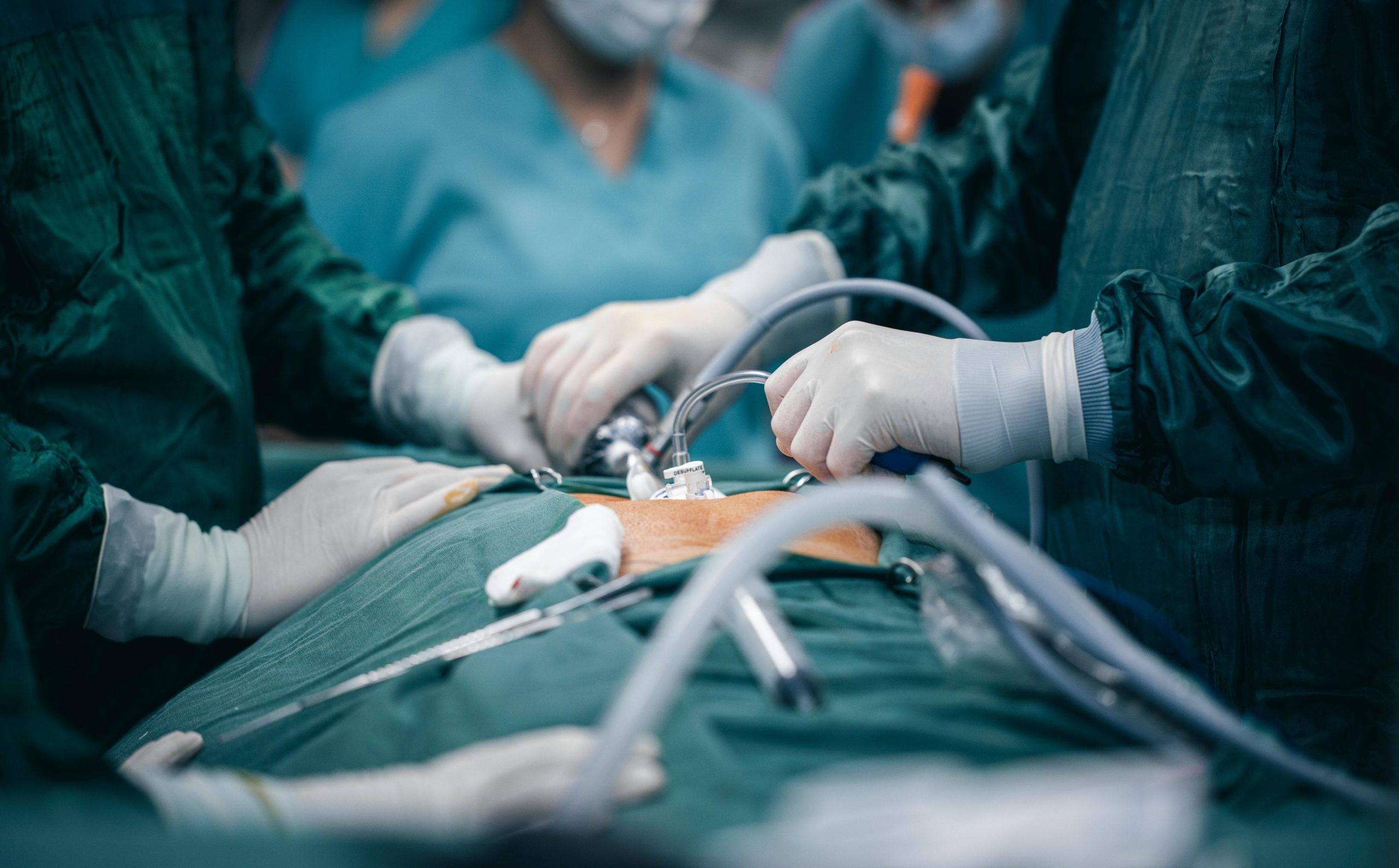
A three-year-old boy has astounded doctors with his progress after becoming the first person in the world with his devastating disease to receive a ground-breaking gene therapy.
Oliver Chu has a rare, inherited condition called Hunter syndrome – or MPSII – which causes progressive damage to the body and brain.
In the most severe cases, patients with the disease usually die before the age of 20. The effects are sometimes described as a type of childhood dementia.
Due to a faulty gene, before the treatment, Oliver was unable to produce an enzyme crucial for keeping cells healthy.
In a world first, medical staff in Manchester have tried to halt the disease by altering Oliver’s cells using gene therapy.
Simon Jones, who is co-leading the trial, tells the BBC: “I’ve been waiting 20 years to see a boy like Ollie doing as well as he is, and it’s just so exciting.”

At the centre of this remarkable story is Oliver – the first of five boys around the world to receive the treatment – and the Chu family, from California, who have put their faith in the medical team at Royal Manchester Children’s Hospital.
A year after starting the treatment, Oliver now appears to be developing normally.
“Every time we talk about it, I want to cry because it’s just so amazing,” says his mother, Jingru.
The BBC has followed Oliver’s story for more than a year, including how scientists in the UK first developed the pioneering gene therapy and how the medical trial they are conducting almost didn’t get off the ground due to a lack of funds.

2024 stem cell removal
We first meet Oliver and his dad, Ricky, in December 2024 at the clinical research facility at Royal Manchester Children’s Hospital. It’s a big day.
Since being diagnosed with Hunter syndrome in April, Oliver’s life – like that of his elder brother, Skyler, who also has the condition – has been dominated by hospital visits.
Skyler had shown some late development in speech and coordination, but this had initially been put down to being born during COVID.
Ricky tells me his son’s diagnosis came as a complete shock.
“When you find out about Hunter syndrome, the first thing the doctor tells you is ‘Don’t go on the internet and look it up because you’ll find the worst cases and you’ll be very, very disheartened’.”
“But, like anybody, you look it up and you’re like, ‘Oh my goodness, is this what’s going to happen to both my sons?'”
Children are born apparently healthy, but around the age of two, they start to show symptoms of the disease.

These vary and can include changes to physical features, stiffness of the limbs, and short stature. It can cause damage throughout the body, including to the heart, liver, bones, and joints, and in the most serious cases can lead to severe mental impairment and progressive neurological decline.
Hunter syndrome almost always occurs in boys. It’s extremely rare, affecting one in 100,000 male births in the world.
Until now, the only medicine available for Hunter syndrome was Elaprase, which costs around Ksh50.75 million per patient, per year, and can slow the physical effects of the disease. The drug is unable to cross the blood-brain barrier and so does not help with cognitive symptoms.
But today, Oliver is being hooked up to a machine and having some of his cells removed – the first crucial step in trying to halt his genetic disorder in this one-off treatment.
“His blood is being passed through a fancy machine that is collecting a specific type of cell called stem cells, which will be sent to a lab to be modified and then given back to him,” Claire Horgan, consultant paediatric haematologist, explains.