Wuthering Heights (2026): A storm of passion, obsession, and toxic love
By Ascah Mwango, March 11, 2026Synopsis
Wuthering Heights (2026) is a modern film adaptation of Emily Brontë’s 1847 novel, bringing the story of Heathcliff and Catherine’s destructive, obsessive relationship to the screen. The novel has inspired several previous adaptations, including the 1939 film starring Laurence Olivier and Merle Oberon, the 1992 version with Ralph Fiennes and Juliette Binoche, and the 2011 adaptation set in contemporary England. The 2026 version attempts to reinterpret the classic tale with a fresh visual style and intense performances, while maintaining the dark, tragic core of Brontë’s story.
Wuthering Heights (2026) premiered on January 28th, 2026, in Los Angeles and opened widely on February 13th. From the very first scene, the film establishes a world that is dark, stormy, and emotionally volatile. The windswept moors stretch endlessly under grey skies, the estates are dimly lit and suffocating, and the soundtrack pulses with dramatic intensity.

The visuals announce a bold ambition, yet the story beneath often struggles to match the grandeur of the setting. This is not a romantic tale meant to comfort; it is a narrative of obsession, destruction, and human flaws, framed as a storm that refuses to calm.
Visual mastery and atmosphere
One of the film’s undeniable strengths is its atmosphere. The cinematography captures the isolation of the moors and the oppressive nature of the Wuthering Heights estate. Fog rolls across hills in ghostly waves, shadows hang heavily in the corners of rooms, and even the simple act of walking across the estate feels charged with tension. These elements create a gothic, almost tangible environment, where the characters’ emotions are mirrored in the landscape. In these moments, the film succeeds in pulling the viewer into its world, making every gust of wind and flicker of candlelight feel significant.
The soundtrack complements the visuals seamlessly. Its haunting tones show emotional peaks and valleys, sometimes giving the impression of music narrating what the characters fail to express. The mood is so pervasive that even in moments where the story falters, the atmosphere ensures the viewer remains captivated.
Performance and chemistry; intensity on edge
Margot Robbie’s portrayal of Catherine is fierce and unpredictable. She embodies a woman who is impulsive, passionate, and often cruel, reflecting the chaotic energy at the heart of Brontë’s novel. Jacob Elordi’s Heathcliff is brooding, intense, and constantly simmering with resentment. Their scenes together crackle with tension, both emotional and physical. It is clear that their relationship is destructive, but the performances make it compelling in a way that draws the audience in, despite the moral discomfort.
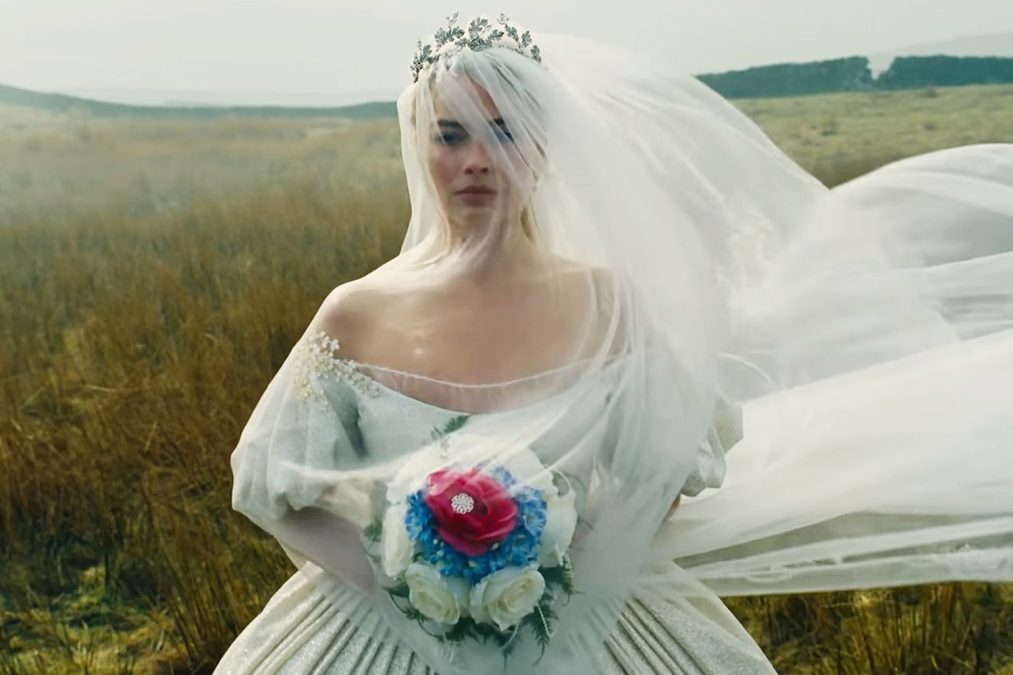
Supporting characters provide grounding, yet they are often overshadowed by the storm that is Catherine and Heathcliff. The focus remains on the central pair, and while the performances carry weight, they cannot entirely compensate for the uneven narrative.
Where the film stumbles
The film was a good example of substance lost to style.
While the atmosphere and performances are strong, the emotional core of the story often falters. Key moments of heartbreak, betrayal, and vengeance are delivered as spectacle rather than as the culmination of lived experiences. Catherine and Heathcliff’s volatility, which in the novel arises from complex social, familial, and psychological pressures, is here often presented without sufficient context, leaving their destructive choices feeling abrupt or shallow.
The pacing is inconsistent. Long stretches of mood-driven cinematography are followed by flashy, highly stylised sequences that do little to advance the story. Some of the modernised elements, including more explicit depictions of intimacy and aggression, feel added for shock value rather than to deepen character or narrative. Consequently, the film can feel like a series of dramatic images strung together rather than a cohesive exploration of tragedy and obsession.
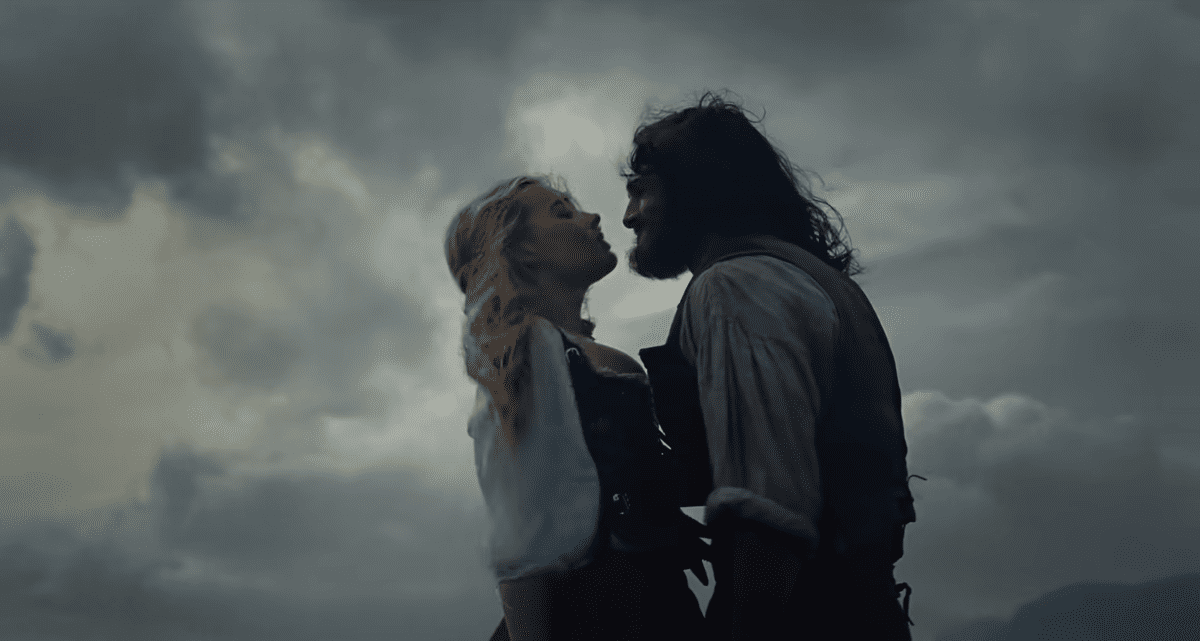
Moreover, the adaptation simplifies or omits several important plot points from the novel. Emotional turning points that should hit with devastating weight, such as Catherine’s illness and Heathcliff’s prolonged revenge, are often treated as inevitable plot beats rather than the culmination of intricate character development. The audience is left witnessing the chaos without fully understanding the roots of the pain.
Not a romance to emulate
It is essential to recognise that this is not a conventional love story. Catherine and Heathcliff’s bond is obsessive, destructive, and profoundly toxic. Their love is less about mutual care and more about the unravelling of each other’s identities and sanity. The film portrays their relationship in all its intensity, but without careful attention to emotional grounding, it risks glamorising toxicity. Viewers should understand that this is a tragic tale of destructive passion, not a model for romance.
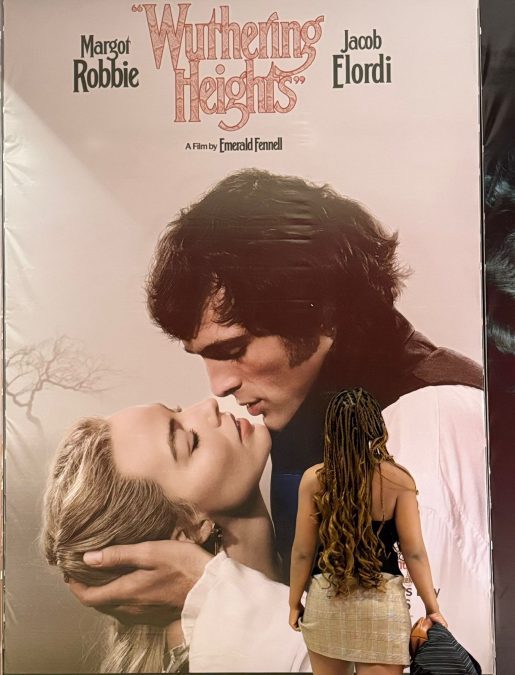
The toxicity extends beyond the central pair. Their actions ripple outward, damaging those around them and creating an atmosphere of fear, manipulation, and pain. The film captures the consequences of these behaviours, but often in a way that emphasises spectacle over understanding, making it difficult to fully internalise the gravity of the tragedy.
Wuthering Heights (2026) is a film of contrasts. It is visually stunning, musically compelling, and features intense performances that bring the tempestuous central characters to life. It captures the raw, chaotic energy of Brontë’s world in dramatic bursts and unforgettable imagery.
Ultimately, Wuthering Heights (2026) is a cinematic storm: it commands attention, leaves a mark, and can be exhilarating to watch, but it is messy, sometimes hollow, and decidedly not gentle. It is a reminder that passion unchecked can be as destructive as it is enthralling.