Advertisement
Why Kenyan musicians are relying on TikTok more than radio
08th May, 2026 08:50 AM
The Kenyan music scene is undergoing a quiet but powerful shift.
Increasingly, many Kenyan artistes are turning to TikTok as their main stage, often sidelining traditional radio that once held unmatched influence in breaking songs and shaping careers.
In the past, getting a song on heavy radio rotation was the ultimate breakthrough. A track played on popular stations could easily become a nationwide hit within days. DJs acted as gatekeepers, deciding which songs reached the masses.
But today, that formula is no longer guaranteed. Radio still matters, but its influence has weakened as digital platforms reshape how audiences discover music.
TikTok has become the new launchpad for many Kenyan musicians.
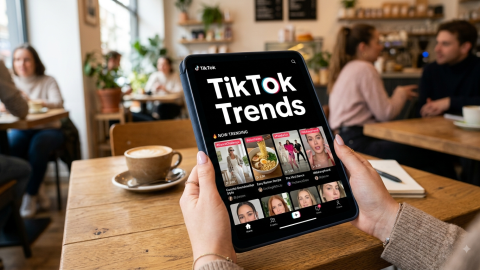
A short clip, dance challenge, or viral sound can push a song from obscurity to national fame overnight. Unlike radio, where playlists are curated by presenters and producers, TikTok allows users to directly interact with music, remix it, and spread it organically across timelines.
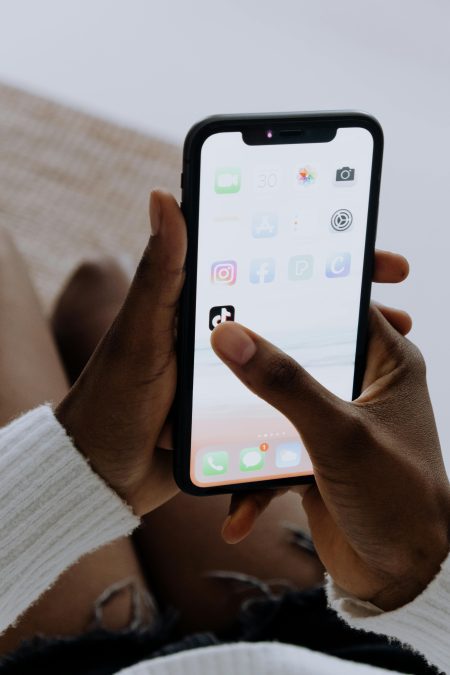
TikTok vs Radio
For many musicians, especially emerging ones, TikTok is a game-changer.
They no longer need big budgets or strong industry connections to get attention. A creative hook, catchy chorus, or even a humorous lyric can spark a trend. Once a song starts trending on TikTok, radio stations often follow later, playing catch-up to what is already popular online.
Kenyan musicians are also finding TikTok more rewarding in terms of audience engagement. Fans are not just passive listeners,they become part of the song’s journey by creating content, dance routines, skits, and memes.
This level of participation creates a sense of ownership and loyalty that radio cannot easily offer.
Artistes in genres such as gengetone, Afropop, and urban fusion have especially benefited from this shift. Their music, often built around rhythm, repetition, and catchy hooks, fits perfectly into short-form video culture. Even older songs are being revived when creators pick them up for trends, giving them a second life years after release.
The platform has also become a discovery tool for producers and record labels. Instead of waiting for radio feedback, they can instantly see which sounds are gaining traction and where the audience energy is building. This real-time data helps shape marketing strategies and even future productions.
However, industry experts caution that radio is not completely out of the picture. It still plays a role in credibility, especially for older audiences and formal music promotion.
Many artistes now use a hybrid strategy, going viral on TikTok first, then pushing for radio play and streaming platforms to cement mainstream recognition.
As the music landscape continues to evolve, one thing is clear: attention is the new currency, and in Kenya’s current digital era, TikTok has become one of the fastest ways for musicians to earn it.