Advertisement
The making of Virusi Mbaya: Talent, struggle and Kenya’s rap underground
12th March, 2026 03:35 PM

Rapper Virusi Mbaya has steadily built a reputation as one of the most authentic voices in Kenya’s underground hip-hop scene.
Known for his sharp lyricism, raw storytelling and unapologetic honesty, his music reflects the realities of life in Nairobi’s streets while exploring deeper themes of identity, struggle and resilience.
Born Peter Waweru and raised in Kibera, one of Africa’s largest informal settlements, Virusi’s journey into music was shaped by the environment around him.
Growing up in the Laini Saba area, often referred to as “Number Nane”, he witnessed the challenges many young people face in the community.
From an early age, the streets shaped his worldview. His music blends traditional hip-hop influences with spoken word elements and introspective storytelling.
Finding his voice in hip-hop
Virusi entered the music scene around 2005, beginning as a writer, recording artist and performer within Kibera’s vibrant grassroots creative ecosystem.
During the mid-2000s, he co-founded the hip-hop collective Young Gifted and Black (YGB), a group that played a key role in nurturing emerging talent from the neighbourhood.
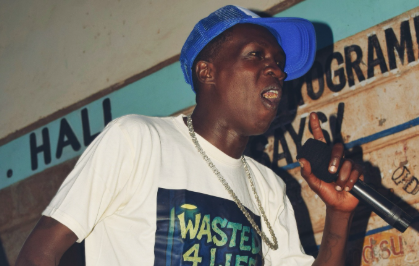
The collective became a space where young lyricists could develop their craft, collaborate and perform. Among the artists connected to the early movement was rapper Octopizzo, who would later go on to gain mainstream success.
Building an underground legacy
While several artists from that circle moved into the commercial spotlight, Virusi remained rooted in the underground scene. Rather than chasing radio trends, he focused on developing his lyrical ability and maintaining authenticity in his music.
In his early years, he released a series of mixtapes that helped establish his reputation among dedicated hip-hop listeners.
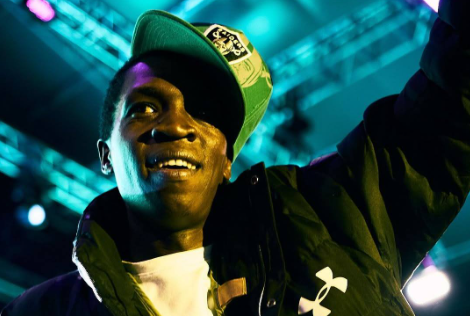
Projects such as Black Light and Tamara showcased his storytelling ability and raw lyrical energy, reportedly becoming popular within Nairobi’s street rap circles.
His stage name, Virusi Mbaya, which translates from Swahili as “bad virus,” carries symbolic meaning. The name represents the idea of spreading truth and awareness through music in a disruptive way, much like a virus spreading through society.
Collaborations and new momentum
Over the years, his catalogue continued to grow with introspective and emotionally driven projects. Releases such as Souled Out, Waste Cost, Broke and Hurt With a Broken Heart, and Punchline Junkie (2020) demonstrated his range as an artist.
These projects blended street narratives with personal reflection, while his sound gradually evolved to include elements of alternative hip-hop, drill and gangsta rap. Throughout these changes, his signature sharp wordplay and vivid storytelling remained central to his style.
The period between 2025 and 2026 marked a new chapter for Virusi Mbaya as his visibility within Kenya’s rap scene began to grow again.
One of the most notable collaborations during this period was “Have Mercy,” a hard-hitting track featuring Scar Mkadinali, a member of the influential rap group Wakadinali.
The song gained significant traction online, attracting over a million views on YouTube and earning praise from fans for its raw energy and lyrical chemistry.

Another collaboration, “THUGSOME,” featuring rapper Metro Stunna, continued to highlight Virusi’s gritty delivery and street-inspired storytelling.
In 2026, he released “Itoka Ilitoka,” a high-energy single accompanied by a music video that portrays unapologetic street life and ambition within Nairobi’s urban landscape.
Virusi also teamed up with Wakuu Music, Skillo, and Sewersydaa on the track “Soo So So,” expanding his collaborations within the underground rap community.
Fellow rappers have also acknowledged Virusi Mbaya’s influence. Wakadinali’s Scar Mkadinali once credited him as a key figure in his musical journey, a recognition that reflects the deep respect Virusi commands within Kenya’s underground rap community.
Author
William Muthama
William Muthama is a digital journalist with a focus on entertainment, human interest, and current affairs. Share stories: [email protected]/ [email protected]
View all posts by William Muthama