Advertisement
Octopizzo downplays reports Nairobi is underfunded
09th March, 2026 12:39 AM
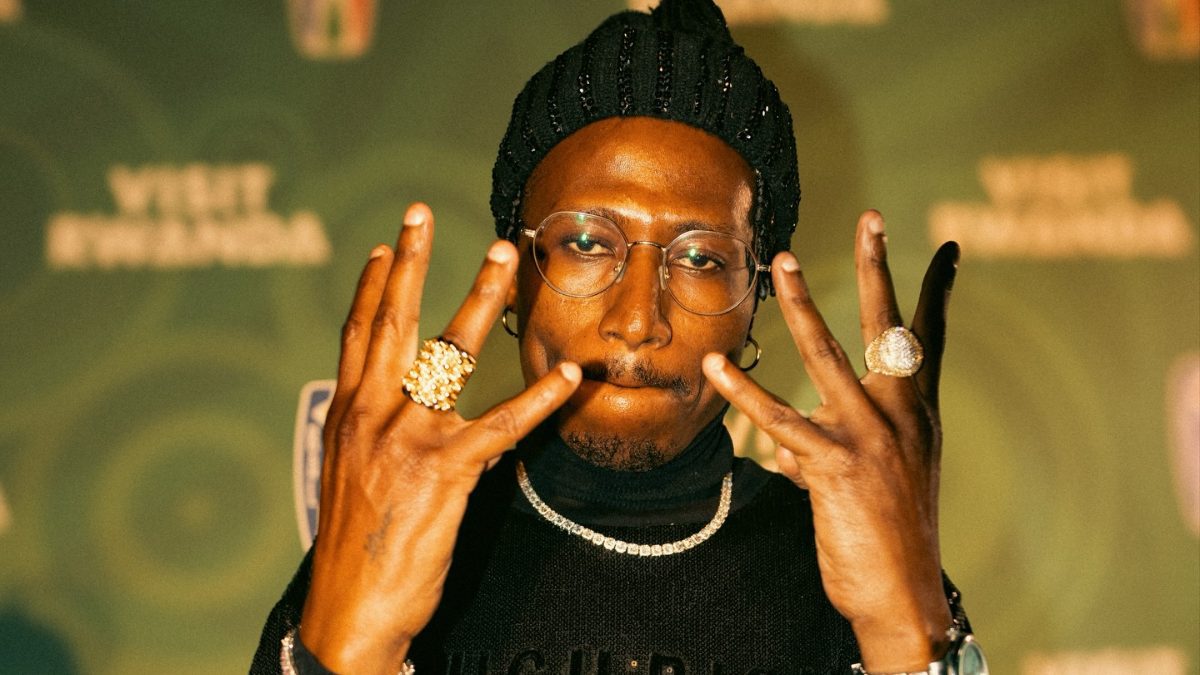
Henry Ohanga, alias Octopizzo, has said that Nairobi City cannot continue being filthy with mere excuses such as underfunding.
Through a post on X on Sunday, March 8, 2026, Octopizzo said leadership is not about how much money a city receives but how well that money is managed.
His remarks come amid growing debate about the state of Nairobi following recent floods that exposed weaknesses in drainage, waste management, and urban planning.
“If Nairobi collects about KSh13.8 billion a year, then we have to ask an honest question,” Octopizzo wrote.
“Are our problems really about resources, or about how those resources are managed?”

Call for accountability
The rapper said residents deserve better services if billions of shillings are collected annually.
According to him, city dwellers should be able to see visible improvements in infrastructure and public services.
“Because if billions are coming in every year, residents deserve to see functioning drainage, better roads, cleaner streets, and reliable services,” he said.
Octopizzo argued that modern leadership requires transparency in how public funds are spent.
“Leadership today is not just about saying there isn’t enough money. It’s about showing the people where the money is going and why the city still struggles with problems we’ve faced for years,” he added.

His comments add to a wider public conversation on how Nairobi is managed, especially after floods disrupted businesses and livelihoods in several parts of the city.
Sakaja defends city plans
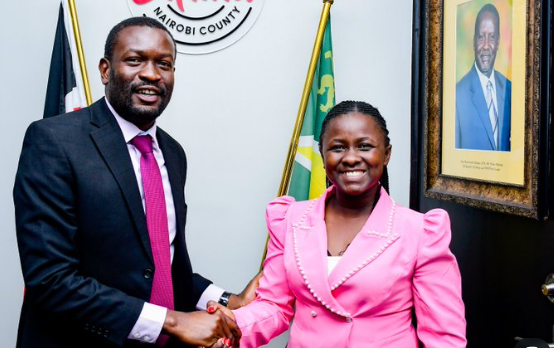
Nairobi Governor Johnson Sakaja has, however, defended his administration’s efforts to address the city’s challenges.
According to the governor, the county government has already identified the problems affecting the capital and is implementing solutions.
“I have understood the problem, I know it, and we have found the solutions. We have gotten our framework to implement it,” Sakaja said.
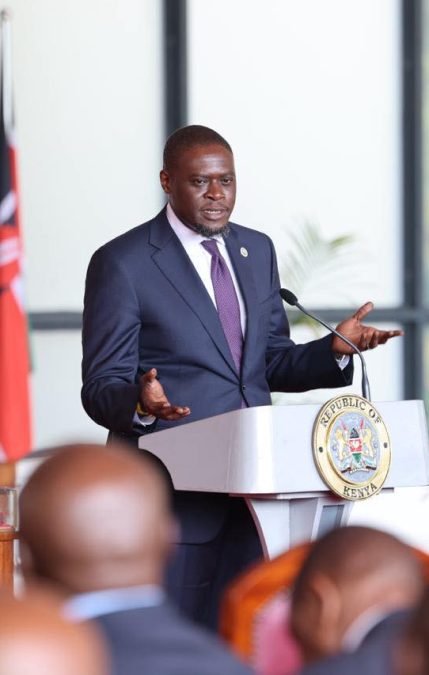
He also revealed that Nairobi has secured an Sh80 billion cooperation agreement aimed at improving infrastructure and services.
“We have gotten a deal that no other leader in this county has ever gotten for the people of Nairobi, which is the 80 billion cooperation agreement, and the results will be visible,” he said.
On the issue of compensation for residents who lost property during the floods, Sakaja said some affected areas fall outside the county government’s responsibility.
“If your car got messed up on the Expressway, why would the county compensate you? It’s not the county’s road,” he said.
The governor added that the recent floods have reinforced the need for better waste management and responsible disposal of garbage.

“We are doing an end-to-end garbage intervention from collection to transfer station to recycling, which we are going to do in Ruai and Dandora. In a few months, this city is going to be the cleanest city,” he said.
As debate continues, the discussion around Nairobi’s management now centres on two key issues: how resources are used and how quickly solutions can be implemented to prevent future disasters.