Advertisement
‘Pressure’ review: When science becomes the front line of war
31st May, 2026 04:04 PM
In an industry filled with many World War II films, Pressure stands out by shifting the focus away from the battlefield and into the science behind war.
Released on Friday, May 29, 2026, the drama reimagines the lead-up to D-Day not through explosions and combat, but through forecasts, calculations, and high-stakes decision-making inside Allied war rooms.
Set during the critical 72 hours before the Normandy invasion, the film follows meteorologists and military leaders as they wrestle with one of the most important questions of the war: whether the weather will allow the operation to succeed or doom it before it begins.
War room focus
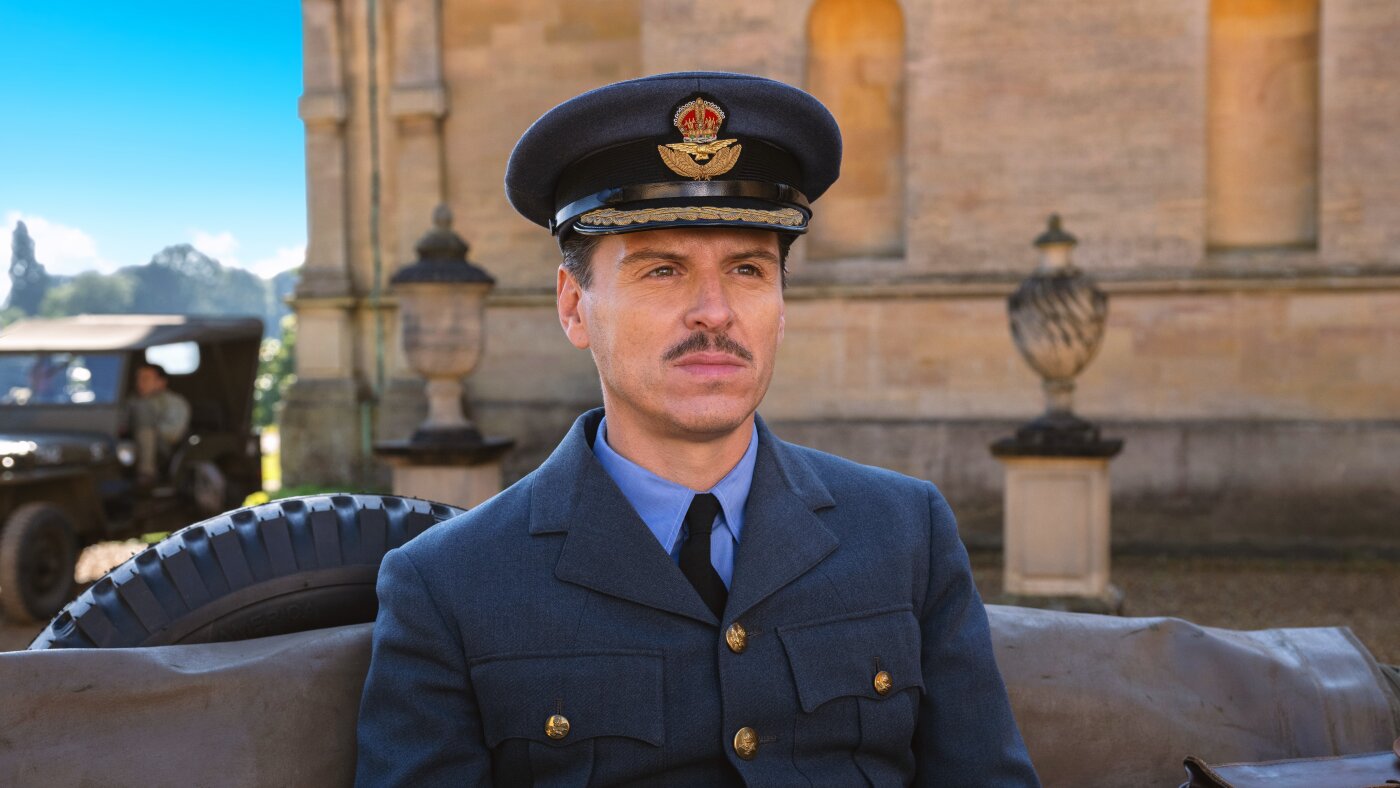
At the heart of the story is Group Captain James Stagg, played by Andrew Scott, a Scottish meteorologist tasked with interpreting volatile weather patterns.
His role places him under immense pressure as senior Allied commanders demand certainty in a situation defined by uncertainty.
Opposite him, Brendan Fraser portrays Dwight D. Eisenhower with calm authority, capturing a leader forced to weigh scientific advice against military urgency. The tension between data and decision-making becomes the emotional backbone of the film.

Unlike traditional war films, Pressure rarely leaves the confines of its war rooms. Maps, charts, and forecasts replace weapons and trenches.
Every update in atmospheric conditions becomes a matter of life and death, turning meteorology into a strategic weapon.
Chris Messina adds conflict as rival meteorologist Irving Krick, challenging Stagg’s readings and intensifying debate within the Allied command structure.
Kerry Condon’s Kay Summersby provides emotional grounding, while brief appearances from Damian Lewis as Bernard Montgomery deepen the sense of mounting pressure from all sides.
A different kind of war story
Director Anthony Maras builds tension through dialogue and silence rather than action sequences. The film’s restrained cinematography and controlled pacing mirror the uncertainty faced by decision-makers who cannot afford to be wrong.

Instead of battlefield chaos, the audience experiences the quiet intensity of rooms where history is being calculated rather than fought.
Pressure ultimately reframes war as more than physical conflict. It highlights the unseen intellectual battles that shaped one of history’s most decisive moments.
While it may not satisfy viewers seeking traditional combat spectacle, it delivers a gripping reminder that science, timing, and human judgment can be just as powerful as weapons on the front line.
Author
William Muthama
William Muthama is a digital journalist with a focus on entertainment, human interest, and current affairs. Share stories: [email protected]/ [email protected]
View all posts by William Muthama