Advertisement
Movie review: ‘The Death of Robin Hood’ drains the blood, and life, out of an old English legend
20th June, 2026 07:07 PM
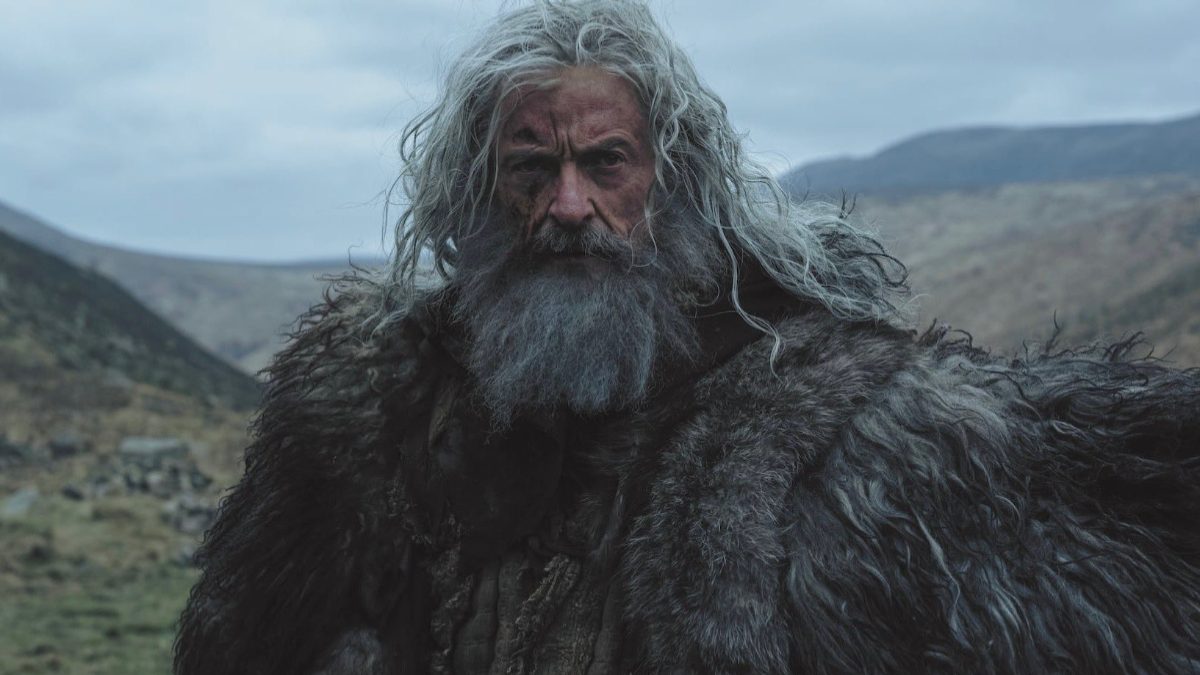
In the opening moments of Michael Sarnoski’s “The Death of Robin Hood,” Hugh Jackman’s Robin shelters on a cold and desolate peatland. A young attacker (Jade Croot) emerges from the dark emptiness beyond his campfire. He grabs her, tells her it was a mistake to bathe. He could smell her downwind. Then he puts a knife through her skull.
Oo-de-lally, oo-de-lally, golly what a day.
Whichever version of Robin Hood is your favourite — three cheers for the 1973 animated Disney one — the story takes a beating in “The Death of Robin Hood.” There are no knights in shining armour. There are no merry men. There is absolutely no swashbuckling.
Sarnoski, the director of the excellent Nicolas Cage thriller “Pig” and sci-fi sequel “A Quiet Place: Day One,” has sapped every bit of derring-do from the folk hero. It’s a thoughtful inversion of myth with some compelling ideas about the nature of storytelling. But it’s a total slog.
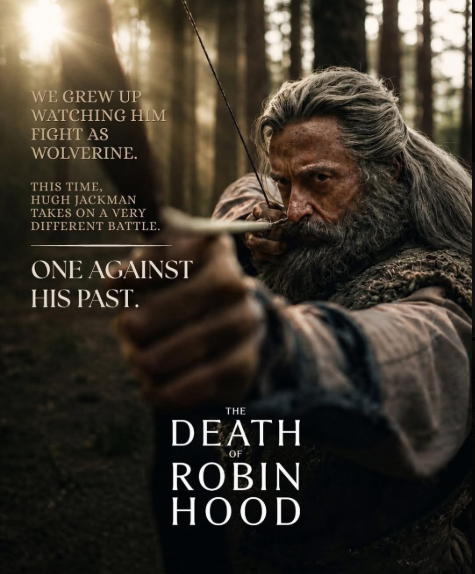
“The Death of Robin Hood” drains the blood and life out of an old English legend. So forget about robbing from the rich and stealing from the poor. This Robin is a grizzled marauder who can’t even remember how many people he’s killed. We are, to say the least, very, very far from men in tights.
This is the purpose of Sarnoski’s film, which, like Robert Eggers’ “The Northman” and David Lowery’s “The Green Knight,” brings a primal realism to an old legend. As much as we might think of Errol Flynn or Kevin Costner, the origins of the story of Robin Hood weren’t so cheery.
An oral tale dating back to the 12th century
Robin Hood began as an oral tale dating back to the 12th century. A few hundred years later, the first written accounts were ballads. Sarnoski’s film takes its title from one of those ballads, in which Robin Hood — long before there was any Maid Marian to speak of — was a mere yeoman. Only as the centuries wore on did Robin Hood gradually accrue the trappings of Sir Robin of Locksley.
There might have been a compelling movie to be made from those early, fragmented origins. But “The Death of Robin Hood” instead expends too much of its energy rubbing our face in the muck. Mud cakes the movie’s first half, which so strenuously insists on its revisionist approach that it quickly turns tiresome.
Jackman — weathered and bearded — looks amazing, like a medieval Santa Claus. And so does the movie, shot across rugged, wind-swept Northern Ireland vistas by cinematographer Patrick Scola. Robin, himself, appears weighed down by the mythology around him. He doesn’t use the name and calls the rumours about him “lies upon lies.” But others are buoyed by it.
Little John (Bill Skarsgård) is no great friend but a reluctant companion for Robin. He listens to Little John talk up a new scheme as “a good adventure” shortly before Little John beats a man to death for bread. The battle that follows — a muddy and mean scrum — is even more ghastly, partly for its utter pointlessness.
This great disparity between reality and story, truth and history, takes on new dimensions when Robin clandestinely takes refuge at an island priory where Sister Brigid (Jodie Comer) tends to his wounds. He is sheltering Little John’s daughter, Margaret (Faith Delaney), but their secret past is quietly threatened with the arrival of a young man (Noah Jupe) whose maimed, bandaged face evidences a recent run-in with Robin and Little John.
Robin’s coldness and cruelty begin to melt away thanks to Sister Brigid and the peaceful life he finds there. If the story had previously been a yoke around his neck, Robin realises another purpose when he considers Margaret’s future.
In a way, “The Death of Robin Hood” is an appropriately contemporary version of a much-retold story, suited to a time when lies and denial of history rule the day. But the oppressive dourness and forced cynicism of the film suffocate the characters in a way that feels no more realistic than Mel Brooks’ 1993 parody. The result, while admirably considered, is almost comically misjudged — like insisting Paddington the bear sits on a throne of lies. In the end, “The Death of Robin Hood” ironically supports an old movie axiom: Print the legend.