Advertisement
Inside the rise of vertical series and the future of digital storytelling
01st June, 2026 10:28 AM
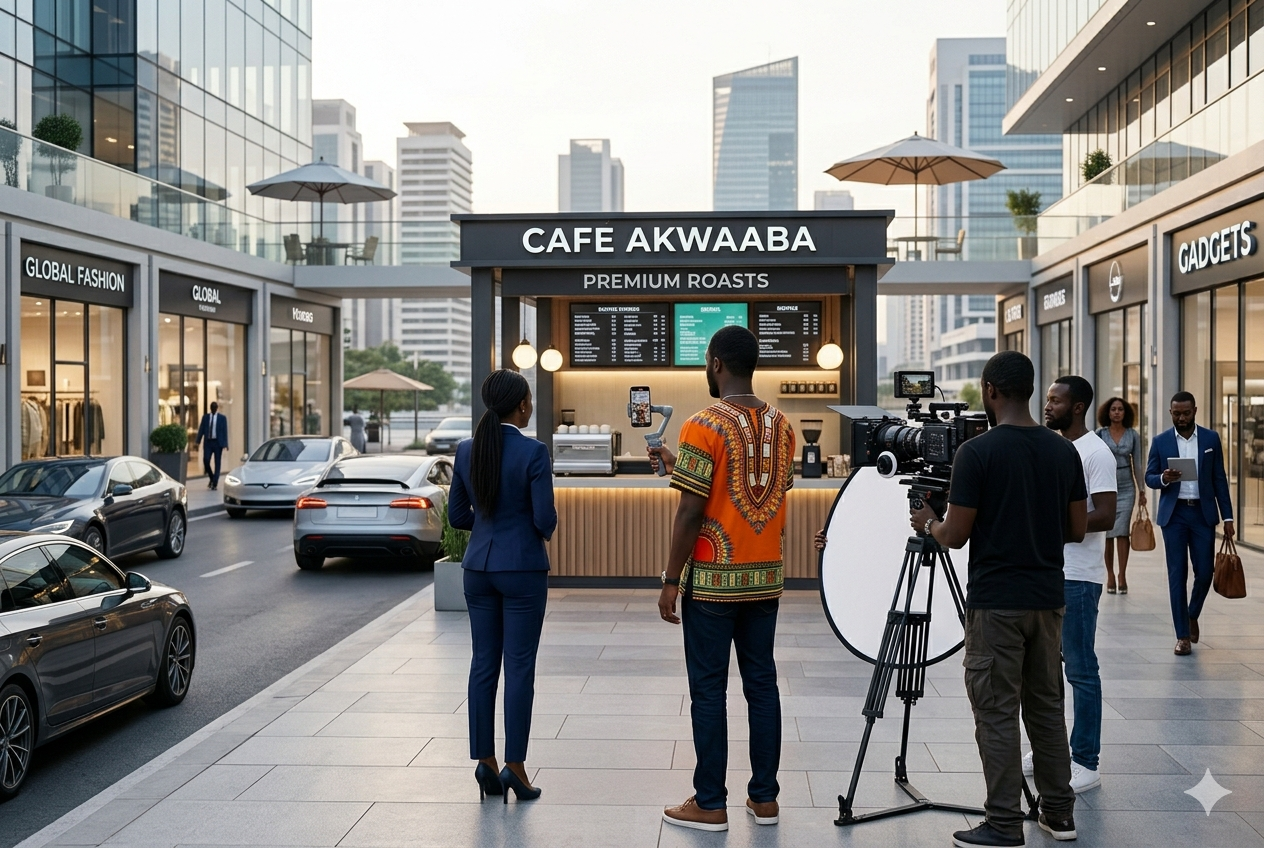
Vertical series are short-form scripted stories designed specifically for phones in portrait mode. Instead of the traditional wide cinema frame, everything is built to fit the way people naturally hold their devices. These stories are usually broken into short episodes, often one to ten minutes long, and they live on platforms like TikTok, Instagram Reels, YouTube Shorts, and newer streaming apps built entirely around mobile viewing.
What makes them interesting is not only the format but the behaviour behind it. People are no longer only watching films on televisions or laptops. They are watching stories while commuting, waiting in line, or lying in bed pretending they will sleep in five minutes, but somehow still watching episode twelve. Vertical series fit into that reality perfectly.
Issa Rae and the rise of vertical storytelling
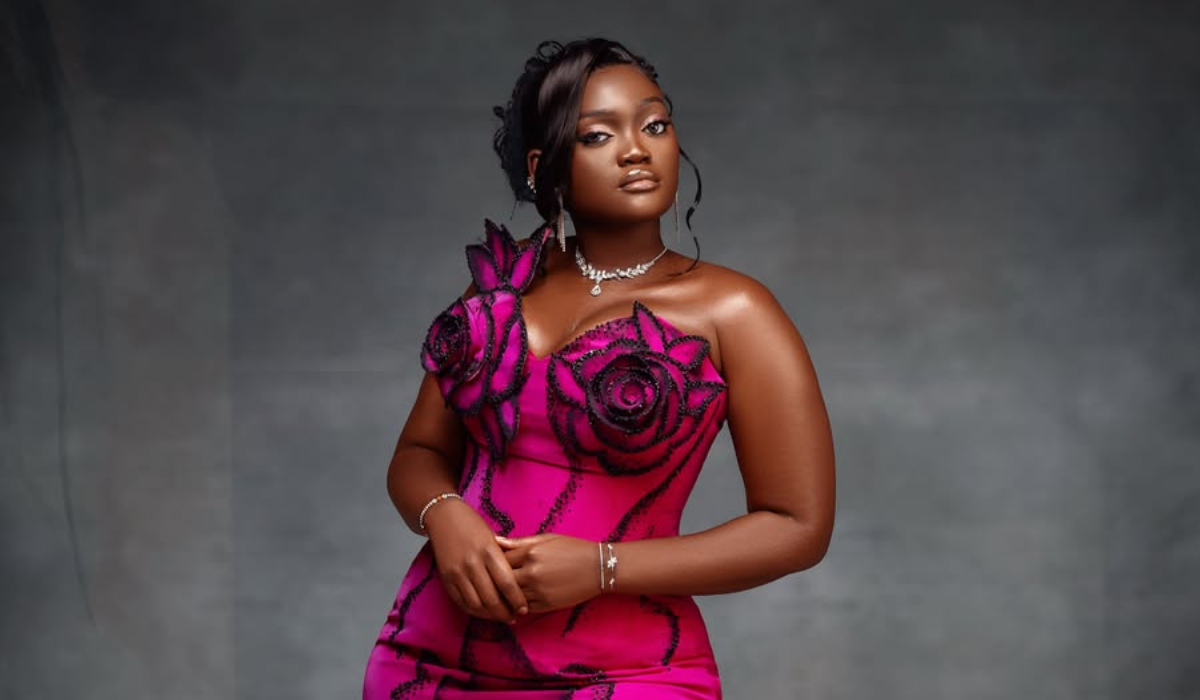
One of the most influential figures pushing this format into mainstream entertainment is Issa Rae through her production company Hoorae Media. Known for turning digital storytelling into mainstream success with projects like Awkward Black Girl and Insecure, Rae is once again at the centre of a major shift in how stories are told and distributed.
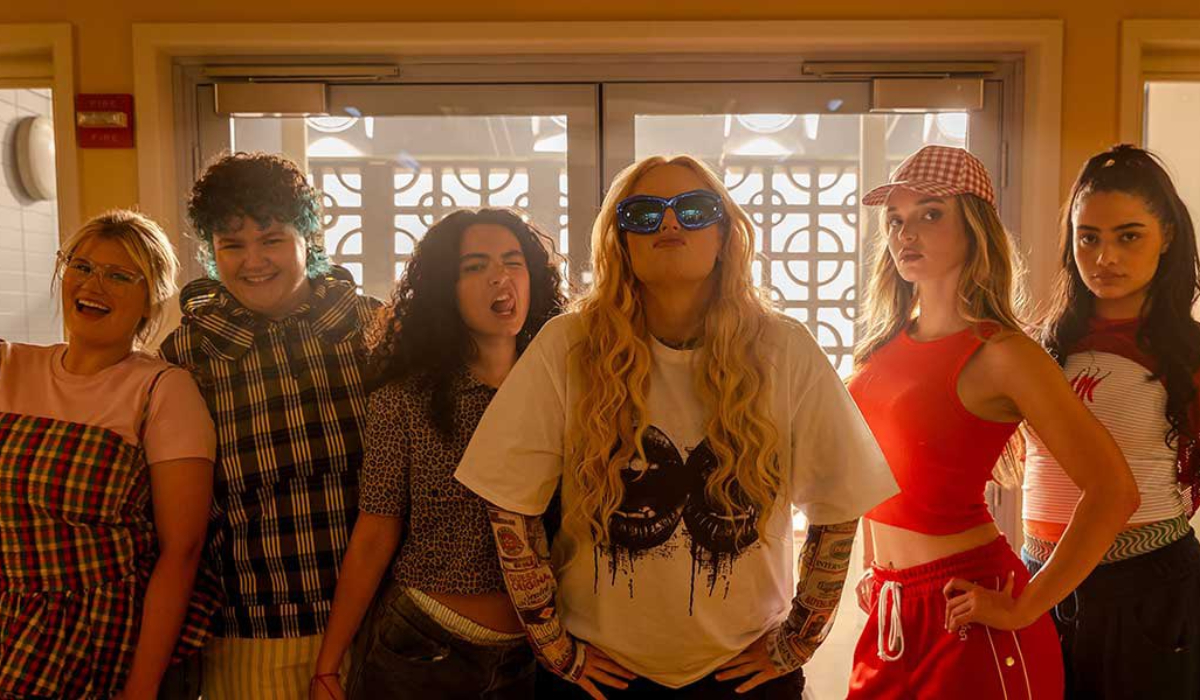
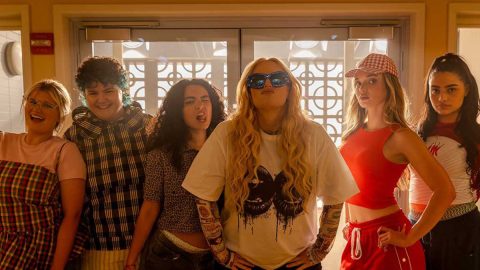
Her company, Hoorae Media, recently partnered with TikTok to develop and release a slate of vertical micro series, with the first major project being a scripted thriller called Screen Time. This series was designed specifically for mobile viewing and released on TikTok and its micro drama platform PineDrama, marking a serious investment in vertical storytelling as more than just social media content.
What Issa Rae is working on right now
The most talked about project is Screen Time, a vertical microdrama produced by Hoorae Media in collaboration with TikTok. The series follows tightly packed, fast-paced storytelling built around short episodes designed for vertical screens. It focuses on suspenseful, emotionally charged narratives that unfold in quick bursts, almost like watching a full television season compressed into scrollable fragments.
Beyond just releasing the series, Rae is also involved in expanding a full slate of additional vertical projects under the same partnership. This means Screen Time is not a one-off experiment but part of a broader strategy to build a new pipeline of mobile-first entertainment.

She has also spoken publicly about how this format connects back to her early career roots in digital storytelling. Before Hollywood recognition, Rae built her audience online, and vertical series feel like a return to that experimental space, but now with studio-level production power behind it.
The reception has been loud and fast
The reception to Screen Time has been nothing short of explosive. Reports show that the series reached tens of millions of views within its first week of release, quickly becoming one of the most-watched vertical dramas on TikTok and PineDrama. In a short time, it climbed to the top-performing status on the platforms and continued to grow in viewership as more episodes were released.
What is even more interesting is the tone of the reception. Audiences have responded positively to the fact that the series does not feel like “cheap phone content.” Instead, it feels structured, cinematic, and intentional, despite being designed for a small screen. Critics and industry watchers have also noted that this project signals a turning point where vertical storytelling is no longer experimental but commercially serious.
Why vertical series are taking over attention spans
Vertical series are growing because they solve a modern problem. People want stories, but they do not always have time or attention for long-form viewing. These series offer emotional payoff in shorter bursts without losing narrative structure. They are also highly shareable, which means audiences do not just watch them; they circulate them.
The format also allows creators to experiment more freely. A filmmaker can test ideas quickly, release episodes faster, and respond to audience engagement in real time. It is storytelling that moves at the speed of scrolling, which is now the rhythm of daily life.
Are vertical series the future of film
The honest answer is that they are not replacing film, but they are definitely reshaping it. Cinema will always exist as an experience built around immersion, scale, and shared viewing. However, vertical series are carving out a parallel lane that is just as influential in terms of reach and cultural impact.
The industry is already paying attention because the numbers are impossible to ignore. Millions of viewers, rapid engagement, and global accessibility make this format extremely powerful. It also lowers the barrier for new creators, which means more diverse voices can enter storytelling without waiting for traditional gatekeepers.
5 key lessons for filmmakers entering the vertical space
Filmmakers must understand that attention is earned quickly. The opening seconds of a vertical series matter more than ever, because audiences decide instantly whether to keep watching.
Storytelling must be stripped of unnecessary detail. Every scene needs purpose, because there is no room for filler in short-form narratives.
Production quality still matters. Even though the format is mobile, audiences can still recognise good lighting, strong acting, and intentional cinematography.
Creators must think like platform users, not just filmmakers. Understanding how algorithms distribute content is now part of the craft.
Vertical series should be seen as an expansion of film language, not a replacement. It is another tool in the creative toolbox, not a threat to traditional cinema.