‘Ghetto Dala’ review: Inside Vijana Barubaru, Toxic Lyrikali’s story of hustle and survival
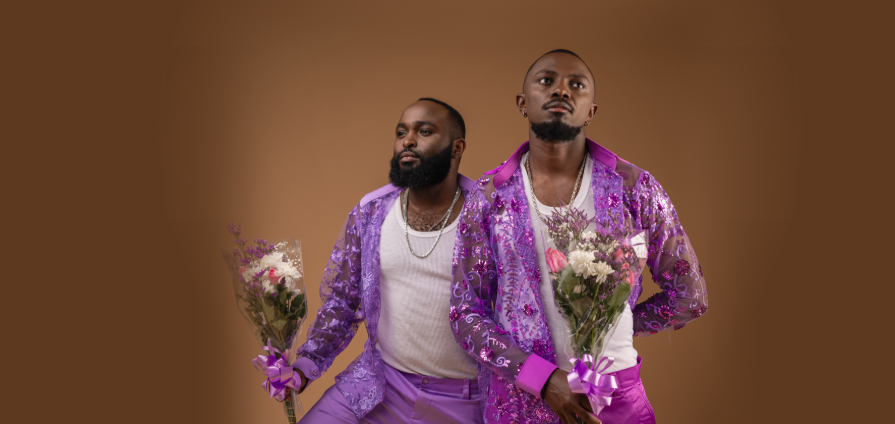
By William Muthama, March 30, 2026In a surprising collaboration that defies expectations, melodic duo Vijana Barubaru (V-BE) teams up with raw street rapper Toxic Lyrikali on Ghetto Dala.
The track, released on Monday, March 30, 2026, masterfully fuses heartfelt ghetto storytelling with infectious energy, transforming personal struggles into a powerful celebratory anthem for Nairobi’s youth.
Vijana Barubaru, known primarily for smooth Afropop, Afro-soul, and romantic love songs, bring their signature melodic touch through Tuku Kantu’s soulful vocals and harmonious delivery.
Tuku’s verses add emotional depth, delivered in his native Kamba language (“Moona kwi kuthuku / Na wandeie oo nesa / Kuumangwa ni alimu / Ni kwaiwa ni mbesa”), reflecting on education amid hardship and the daily grind of ghetto life.
What makes this collab truly surprising is the stark stylistic clash. Vijana Barubaru usually thrive in melodic, feel-good territory, blending Afropop with poetic rap from Spikes Mshairi (appearing here as Mwanaa).
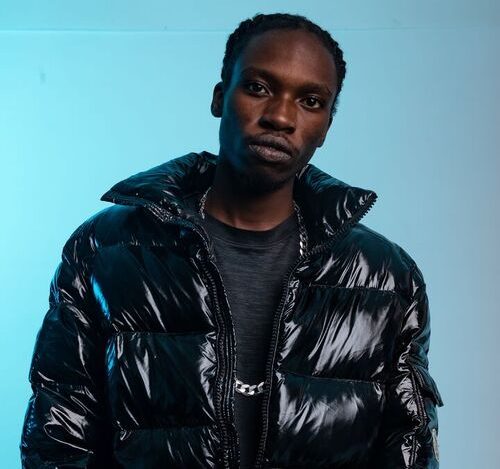
Their sound leans toward sing-along choruses and thoughtful themes. In contrast, Toxic Lyrikali hails from a harder trap-dancehall and gritty hip-hop background, famous for unfiltered Kayole narratives in hits like “Chinje” and “Backbencher.” His style is aggressive, streetwise, and rooted in raw urban realism.
Language blend shines
The surprise works beautifully, further enriched by the clever linguistic fusion. The song seamlessly blends Kamba (through Tuku Kantu), Swahili, and heavy Sheng slang across the verses.
Toxic’s aggressive delivery, “Broken down nikitafuta mahit / Naenda roof, washa blunt, nikimedi streets” paints vivid pictures of rooftop sessions where he retreats to write songs and meditate on the streets
This contrasts sharply with V-BE’s softer melodies, creating dynamic tension that keeps the song engaging. Mwanaa’s verse deepens the reflection: “Siku choose ghetto, especially Mathare… Na home is home hapa ndio me nimegrow,” acknowledging harsh realities (evil everywhere, police suspicion, junkies) while celebrating resilience.
Message hits home
The motivational bridge “Kila ghetto yut ni star / Kila yut kismat kwa mraa / Hope usilose, we ni star / Daily nyota” ties everything together with hope.
The production, handled by Wakawaka, with co-production by Ranjes Luther and additional input and mastering by Run, delivers heavy bass and percussive energy in Kenyan hip-hop/Afro-fusion territory, perfectly bridging the contrasting styles.
Thematically, Ghetto Dala celebrates hustling forward while embracing roots. The title cleverly plays on “dala,” which in Luo means home, reinforcing lines like “Mathare ndio home na naisema with pride” and the strong sense of belonging to the ghetto despite its challenges.
This unlikely pairing proves that melodic softness and raw lyricism can coexist powerfully when rooted in shared ghetto experiences. Ghetto Dala is energetic, authentic, and highly replayable.
Rating: 8.5/10