Advertisement
Daddy Owen: Luhya has never voted as a bloc
25th February, 2026 01:36 AM
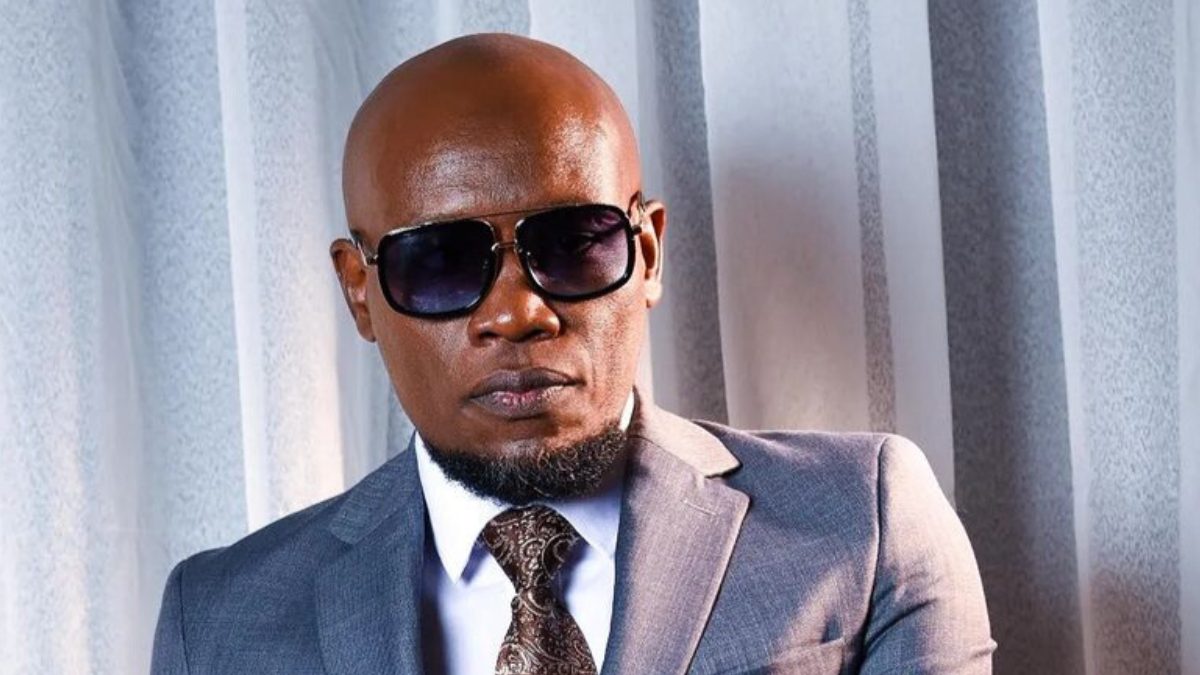
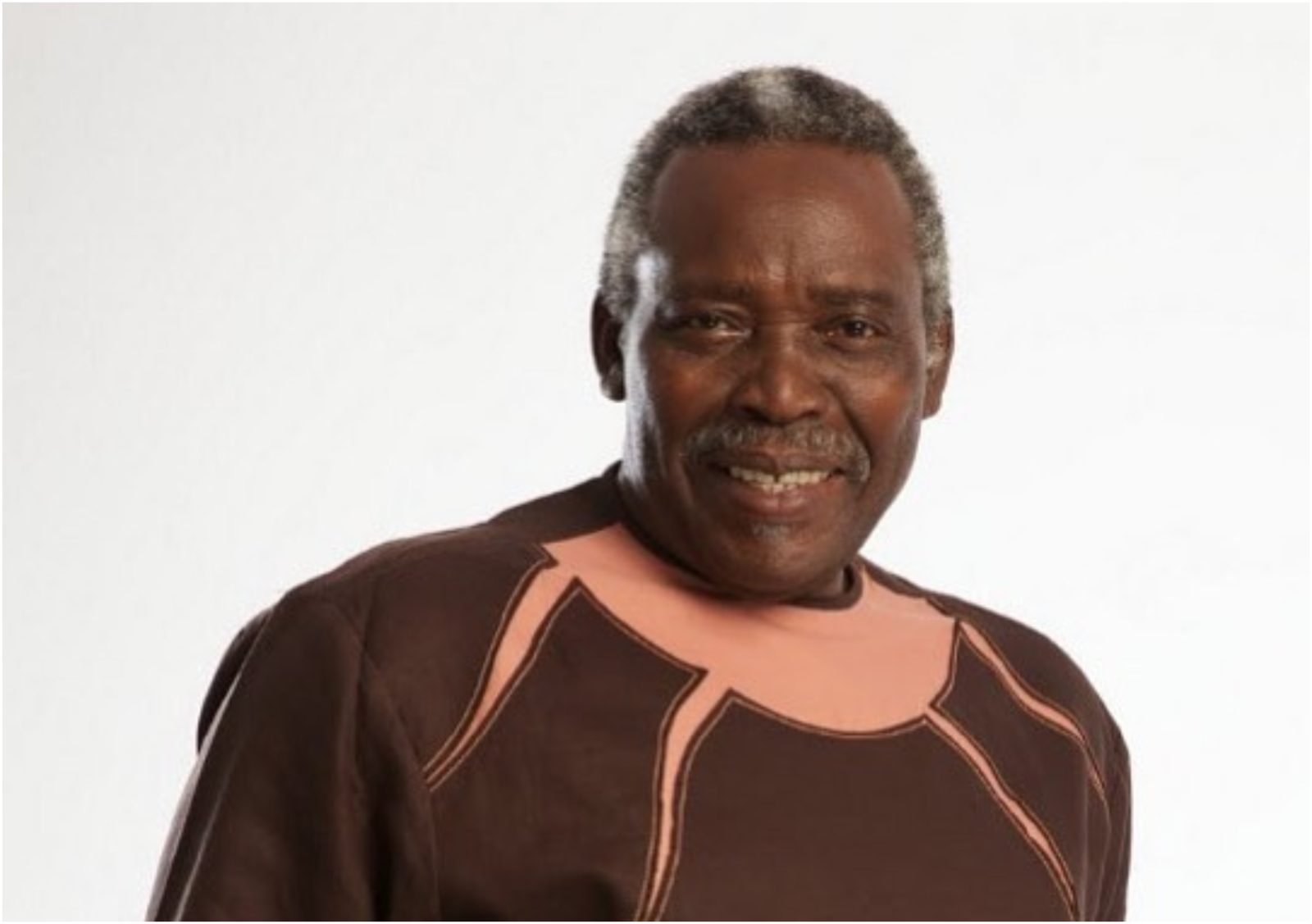
Celebrity icon Owen Mwatia, who calls himself Daddy Owen, has said the Luhya community has never supported anyone unanimously.
In a post on X on Tuesday, February 24, 2026, Owen commented on a recent meeting in Kakamega over the weekend, during which ODM Party SG Edwin Sifuna received a warm and colourful welcome from locals.
While reacting to the buzz online, the gospel singer shared his thoughts about unity among the Luhya people, sparking conversation among his followers.
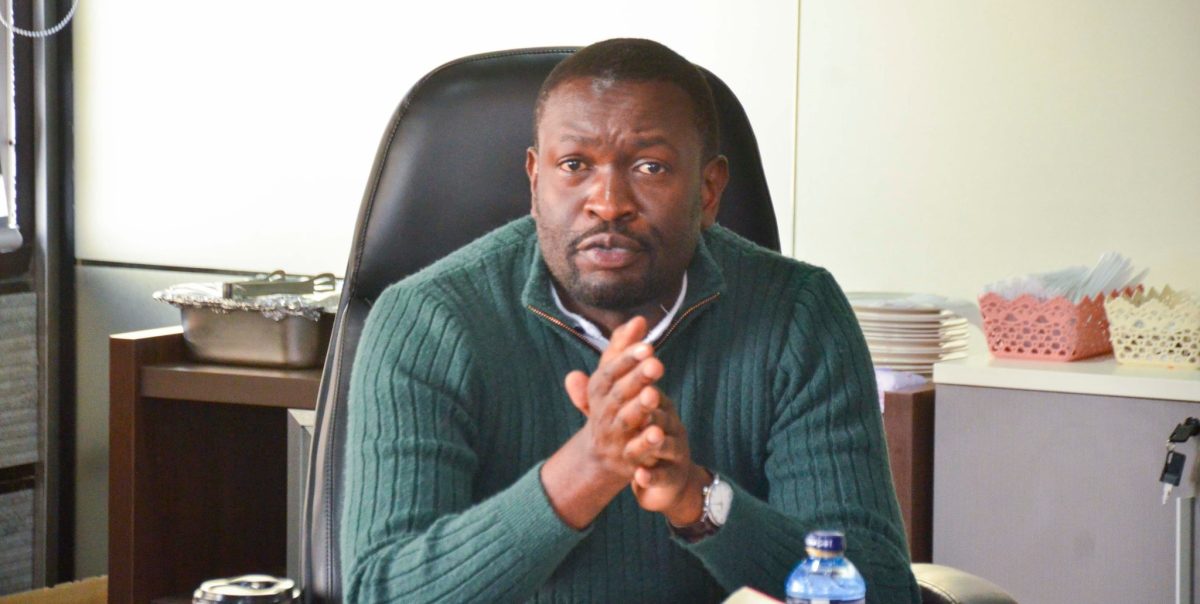
Daddy Owen comments on Luhya nature
“The Luhya have never really voted as one block,” Daddy Owen wrote.
He explained that historically, the Luhya were not originally one single tribe but a coming together of different communities over time.
“Historically, we were not a single tribe but a cluster of different communities brought together later for political reasons,” he added.
According to the musician, this background could explain why the region has often shown diverse opinions during national moments.
However, he hinted that things could change in the future.

“Maybe this could be the first time we vote as one,” he said, leaving many of his fans debating in the comment section.
Senator Omogeni defends Sifuna
His remarks came just a day after Nyamira Senator Okong’o Omogeni also weighed in on party matters during a public address, saying internal disagreements can weaken unity.
“That young man called Sifuna has made so many enemies as a sacrifice for that party called ODM. Baba knew how to walk with his allies. If you want to start expelling people from parties and firing people, you will finish that party. Every day you do that, Ruto is smiling because by the time you go into negotiations, you will be a shell,” the senator said.
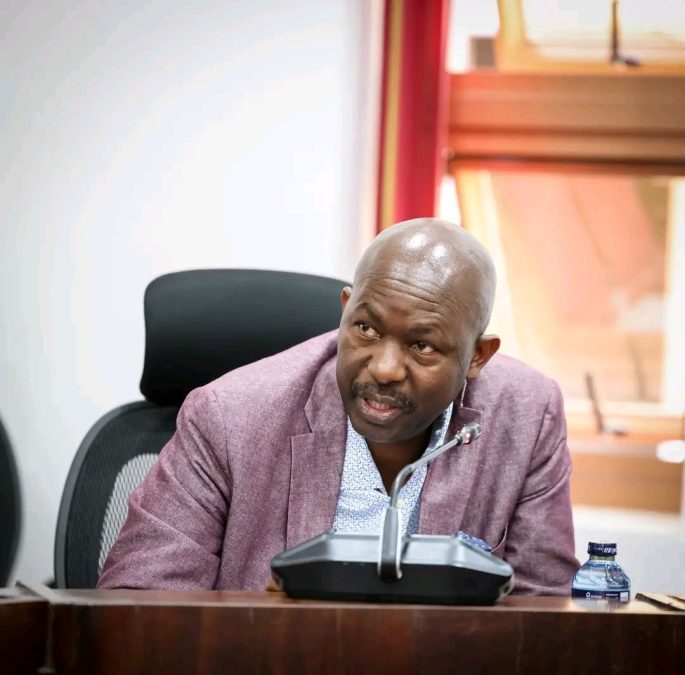
Some agreed with him, saying unity has always been a challenge, while others insisted that the community has always stood strong in its own way.
As usual, the award-winning singer turned a trending topic into a wider conversation about identity, history, and togetherness, showing once again how celebrities often shape public debate beyond music.