Advertisement
Tonka warns parents against beating children, threatens to report abusers
21st September, 2026 12:09 PM

Kenyan IRL streamer Tonka has warned parents against using physical punishment when disciplining children, saying the approach belongs to the past.
In a video shared online on Monday, September 21, 2026, Tonka said parents should find other ways of educating their children instead of beating them.
Tonka urges parents to embrace new ways of parenting
Tonka said parents need to adapt to changing approaches to parenting and focus on educating children without resorting to physical punishment.
He questioned the practice of repeatedly beating children as a way of teaching them, saying parents who rely on it need to consider other methods.
“Lazima to tap into the future. Hii mambo ya kuchapa-chapa watoto iko in the past. Kama hamuwezi educate watoto bila kuwachapa, mko outdated. Wazazi, mko in the past,” Tonka said.

The content creator said disciplining children through physical punishment should not be treated as the only way of correcting their behaviour.
Tonka threatens to report child abusers
Tonka also spoke against adults who beat or harass children, saying he would take action if he witnessed such behaviour.
He said he would report anyone he sees physically abusing a child to the police, highlighting his concern over children being subjected to violence.
“If I see anyone beating and harassing a kid, I’ll report you to the police. Some of you, it’s like it’s just a must that you educate kids by beating them. That’s something that used to happen in the past; let’s stop it,” he said.
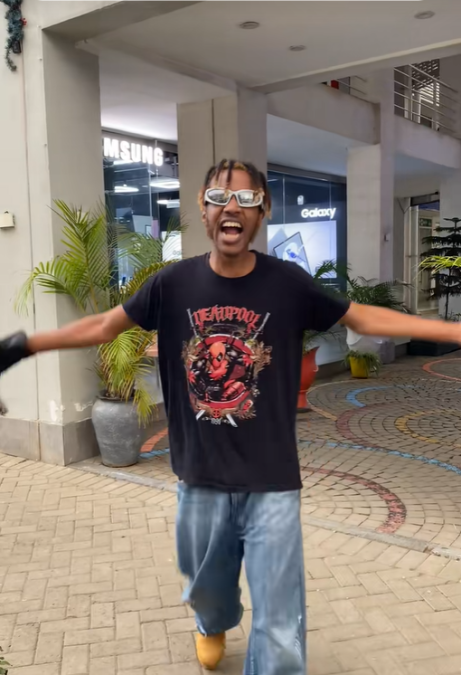
Tonka encouraged parents to move away from methods of discipline that involve physical punishment and instead embrace approaches that focus on educating children.
‘Let us all tap into the future’
The content creator ended his message by urging parents to change how they approach discipline and consider methods that do not involve beating children.
“Let us all tap into the future,” Tonka said.
His comments come as discussions around parenting and child discipline continue to draw attention, with conversations often focusing on how children can be corrected while protecting their well-being.