Stoopid Boy death: Where is Gotta City and what it meant to the deceased rapper
By Steve Ireri, August 27, 2026The death of Kenyan rapper Stoopid Boy has turned attention back to Gotta City, the Nairobi informal settlement that was not only his home but also an important part of the identity he carried into the music industry.
Stoopid Boy, who gained widespread recognition through his memorable contribution to the viral “G Baga Jat”, was closely associated with the neighbourhood, often referring to it as Gotta City and taking his fans inside the community where he lived.
The song was released in 2024 and is credited to Gadafee, Gotta City and Stoopid Boy.
His connection to the neighbourhood became particularly visible in 2024 when he gave his followers a tour of Riverbank, showing them the environment in which he had grown up and continued to live even after his music began attracting national attention.
Where is Gotta City?
Gotta City, also known as Riverbank, is an informal settlement in Nairobi’s Embakasi East Constituency.
The neighbourhood is located across from Donholm Phase Five, in the wider area towards Kayole, and is close to the Tassia area. The settlement is also associated with the route towards Kayole Mihango.
Although Gotta City may not be among Nairobi’s most widely recognised neighbourhoods, Stoopid Boy helped put its name before a much larger audience by repeatedly identifying himself with the area and documenting life there.
In 2024, the rapper showed his followers the surroundings where he lived, giving them a glimpse into the difficult living conditions faced by residents of the informal settlement.
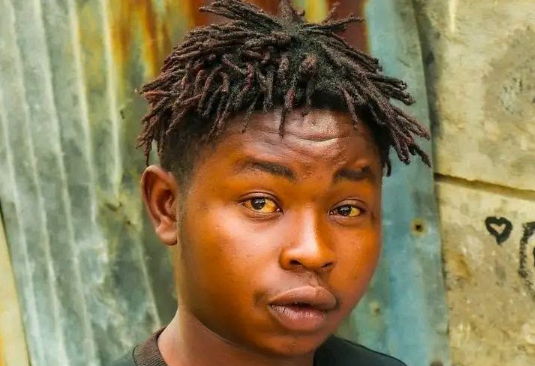
The tour offered a striking contrast between the fame he was beginning to enjoy as a musician and the modest environment to which he returned after his performances and public appearances.
A neighbourhood that became part of his identity
For Stoopid Boy, Gotta City was more than simply an address.
His stage identity was deeply intertwined with the area, and his music carried the sound, slang and street culture associated with the community.
His breakthrough came in 2024 when “G Baga Jat”, also referred to as “G Bag Na Jug”, became a viral hit. The song featured Gotta City and Stoopid Boy and was released in February 2024, while another listing credits the single to Gotta City Stoopid Boy and gives a March 2024 release date.
The track became closely associated with Kenya’s emerging urban music scene, helping propel Stoopid Boy into the public eye.
His music catalogue later included songs such as “Gangster Lover”, “Sangwangwa” and “Mareka”, while he also appeared on other releases.
But even as his music career grew, his circumstances in Gotta City remained an important part of his story.
He once took fans inside his neighbourhood
In May 2024, Stoopid Boy gave his followers an unusually personal look at Riverbank through a neighbourhood tour featured in the Life After Fame reality content.
Instead of presenting only the glamorous side of an emerging music career, he showed the streets, houses, businesses and people around him.
The tour also captured the reception he received from residents.
Children recognised him, sang along to his songs and warmly welcomed him as he moved through the neighbourhood. Residents and friends also appeared in the footage, giving viewers a glimpse into the community behind the musician’s public persona.
The reaction to the tour reflected the complicated reality of his rise.
For some fans, Stoopid Boy’s story represented the possibility of a young person from a difficult environment breaking into the national music scene. For others, his continued presence in the same neighbourhood showed how difficult it could be for fame to translate into financial security.
A 2024 report on his neighbourhood tour noted that despite his newfound popularity, he was still struggling financially and living in the informal settlement.
Fame did not erase his struggles
Stoopid Boy’s journey was marked by a sharp contrast between his growing popularity and the personal difficulties he openly discussed.
He later sought rehabilitation, spending about three months in a rehabilitation programme before returning to the public eye.
After his rehabilitation, he spoke about wanting to turn his life around, including embracing Christianity and distancing himself from the lifestyle he associated with his previous struggles.
His recovery journey also attracted the support of media personality Oga Obinna, who helped facilitate his rehabilitation and later spoke about plans to help him rebuild his career and adjust to life after treatment.
The rapper had also spoken publicly about his struggles with substance abuse, making his journey one that extended beyond music and into the broader challenges faced by young people attempting to escape difficult circumstances.
Gotta City also shaped his music
The neighbourhood’s influence could be heard in Stoopid Boy’s music and public identity.
The very name Gotta City became associated with the music that brought him recognition, while his performances drew heavily from street language and experiences familiar to young people in Nairobi’s informal settlements.
His breakout song, “G Baga Jat”, itself carried the street vocabulary that helped make the track distinctive. The song’s title uses Sheng slang, with “G bag” and “jug” referring to substances associated with getting intoxicated.

The song became one of the recognisable tracks associated with the Arbantone wave that swept through Kenya’s youth music scene in 2024.
For Stoopid Boy, therefore, the rise to fame did not mean abandoning the place from which he emerged. Instead, he continued to publicly identify with Gotta City and brought the neighbourhood along with him as his profile grew.