Advertisement
Professor Jason Arday: What we know so far about University of Cambridge plagiarism row
08th August, 2026 09:18 AM
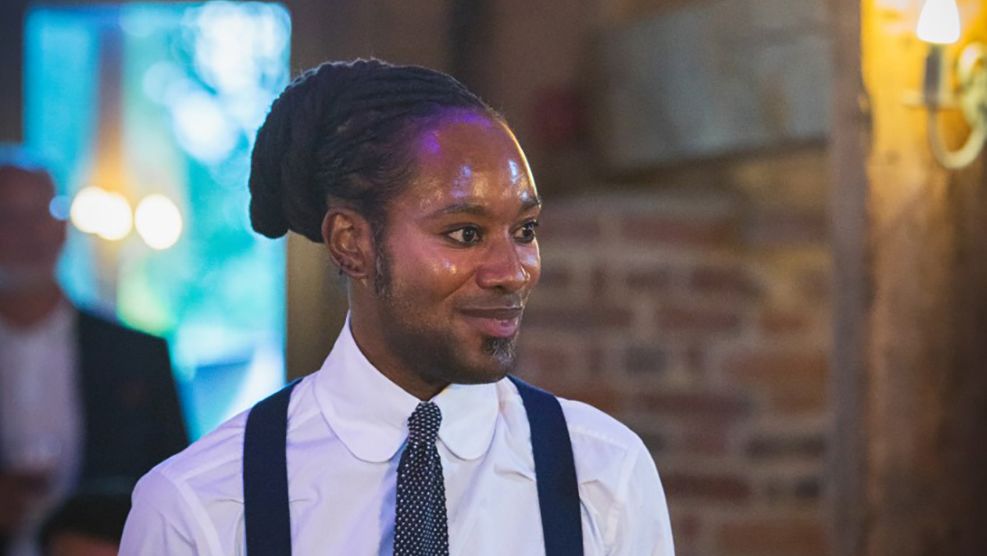
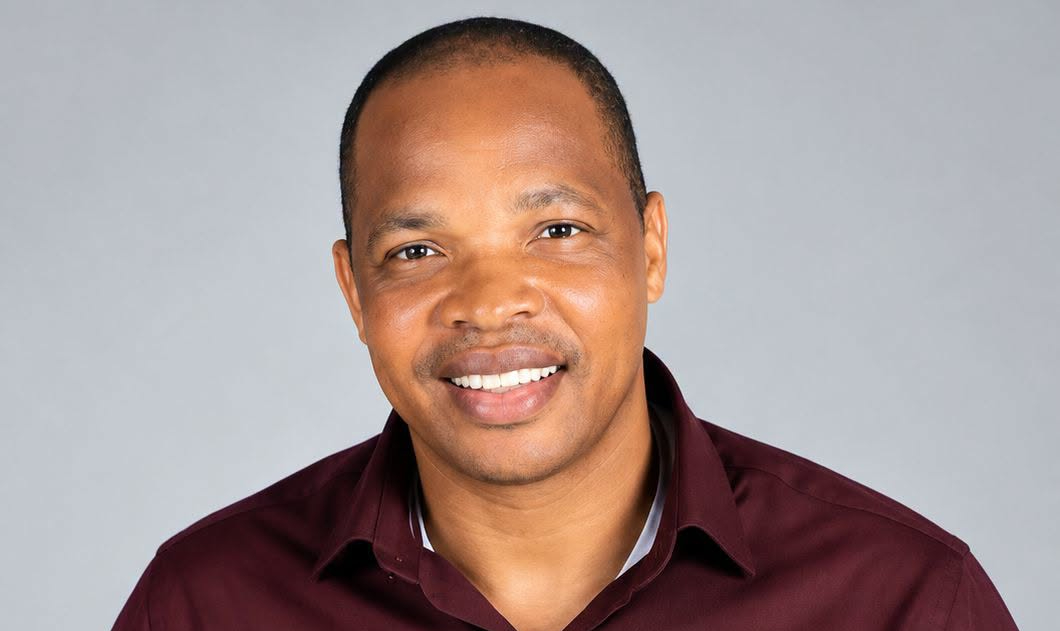
Professor Jason Arday, who became the University of Cambridge’s youngest Black professor in 2023, resigned from his position with immediate effect on Wednesday, August 5, 2026, amid claims of plagiarism and questions over aspects of his academic credentials.
Arday had been appointed to a chair in the sociology of education and was also a fellow of Jesus College.
Arday’s appointment was widely celebrated, particularly because of his personal and academic journey.
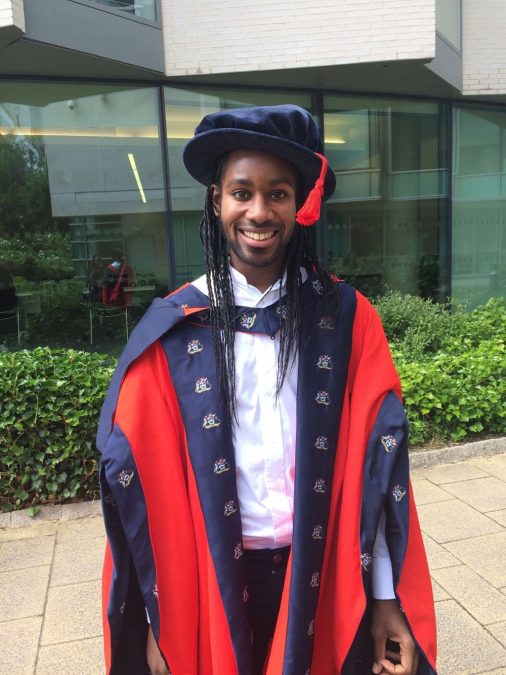
He was diagnosed with autism and was non-verbal until the age of 11. He learned to read and write at 18 before going on to earn several degrees, including a PhD from Liverpool John Moores University (LJMU) in 2015.
His academic career eventually saw him become a prominent figure in discussions around race, education and social mobility.
Concerns over his PhD thesis
The controversy intensified in July 2026 after US academic Nathan Cofnas and others raised concerns about similarities between Arday’s doctoral thesis and an earlier thesis submitted at Brunel University.
Analyses reported by The Telegraph identified more than 100 sentences that were identical or nearly identical to passages in a 2009 thesis by Paula Zwozdiak-Myers.
One analysis put the number at 188 sentences, with some passages reportedly retaining errors found in the earlier work.
Questions were also raised about similarities involving some of Arday’s later academic publications.
Liverpool John Moores University investigated the concerns surrounding Arday’s PhD but did not uphold charges of plagiarism.
Cambridge’s initial response
The university attributed the issues identified to what it described as “honest and reasonable error.”
Arday acknowledged errors in his work and linked some of them to autism, mimicry in learning and inadequate early supervision.
He denied deliberately plagiarising material and maintained that he was “not a liar”.
Arday also said the scrutiny was racially motivated and formed part of an orchestrated campaign against him because of his position as a prominent diversity figure.
Cambridge initially defended Arday, describing the claims as part of what it called a “vile campaign to undermine his credibility”.
The university also said that relevant institutions and journals had cleared him.

However, further questions later emerged concerning aspects of his academic biography and curriculum vitae.
Questions over academic credentials
Separate concerns were raised about claims concerning visiting or honorary professorships at institutions including Ohio State University and the University of Glasgow.
The University of Glasgow denied some of the affiliations attributed to Arday.
Questions were also raised over a book listed as having been published but which reportedly never appeared, as well as claims concerning charity fundraising through ultra-endurance running and other qualifications.
On August 5, Cambridge announced that it had launched an investigation after receiving “new information” concerning Arday’s academic qualifications and honorary appointments.
Hours later, Arday announced his resignation from his Cambridge professorship and his fellowship at Jesus College.
In a statement, he said the continued scrutiny had taken a profound toll on him and that stepping away was the only way to bring the chapter to an end.
He stressed that his resignation should not be interpreted as accepting the claims or narratives surrounding the controversy and expressed hope of returning to academia in the future.
Investigation to continue
Cambridge has confirmed that its investigation will continue despite Arday’s resignation.
The findings are expected to inform a review of the university’s processes for appointing senior academics.
Some staff members have also called for wider scrutiny of the circumstances surrounding Arday’s appointment.
Author
William Muthama
William Muthama is a digital journalist with a focus on entertainment, human interest, and current affairs. Share stories: [email protected]/ [email protected]
View all posts by William Muthama