Advertisement
Mjaka Mfine speaks on self-acceptance over body-shaming and skin-tone bullying
31st August, 2026 06:41 AM
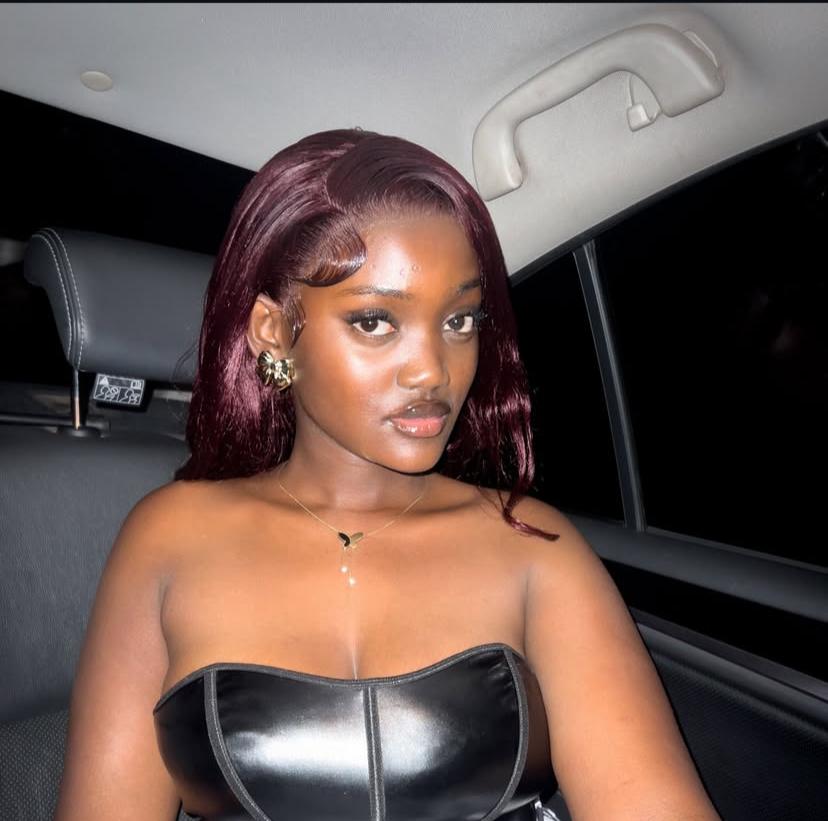
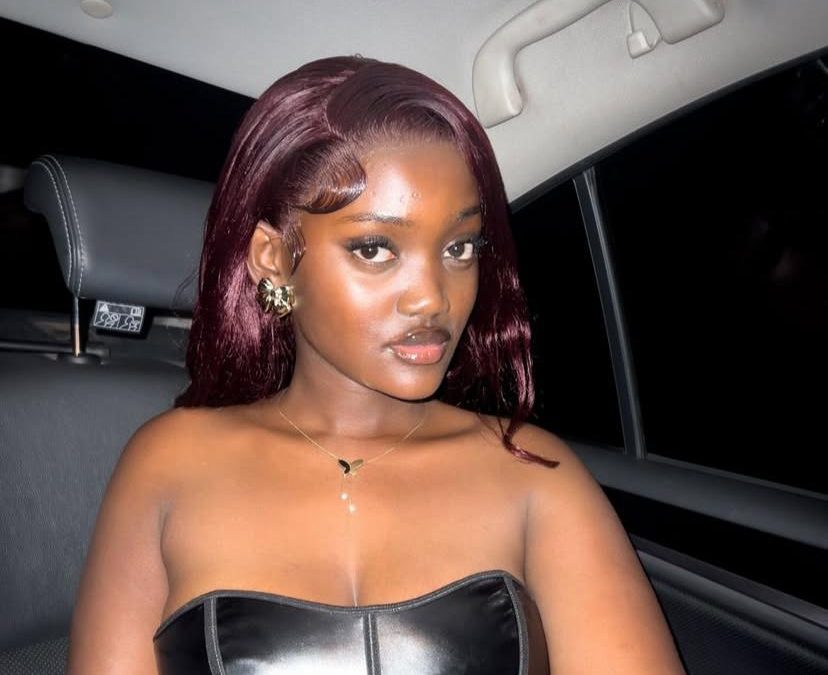
Kenyan content creator Mitchelle Joyce Akoth Oruko, known as Mjaka Mfine, has opened up about body shaming and skin-tone bullying, saying people can become less affected by hurtful comments by learning to accept themselves.
The content creator shared the advice on Instagram on Sunday, August 30, 2026, while responding after being asked whether bullying over appearance and skin tone ever ends.
In response, Mjaka acknowledged that such criticism may not disappear completely but said people can learn how to deal with it without allowing other people’s opinions to define them. “I think bullying and body or skin-tone shaming may never completely disappear, but we can make it less powerful,” she said.
Mjaka on self-acceptance
Mjaka said her own approach to dealing with criticism changed after she learnt to value herself beyond the opinions of other people.
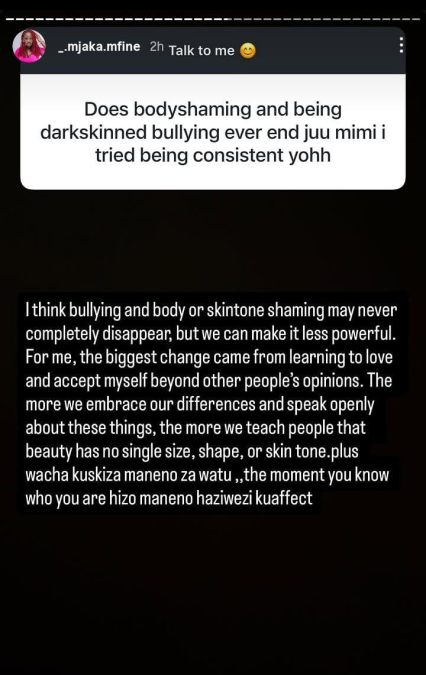
She explained that accepting herself helped her understand that comments about her appearance did not have to determine how she viewed herself. “For me, the biggest change came from learning to love and accept myself beyond other people’s opinions,” she said.
The content creator also encouraged people to embrace their differences, noting that beauty should not be limited to one particular appearance.
She said openly discussing issues such as body shaming and skin-tone discrimination could help challenge the idea that there is only one way for someone to be considered beautiful. “The more we embrace our differences and speak openly about these things, the more we teach people that beauty has no single size, shape, or skin tone,” she added.
‘Know who you are’
Mjaka further advised her followers not to give too much attention to negative comments from other people.

According to her, having a strong sense of identity can make it easier to deal with criticism, especially on social media where people often comment freely on other people’s appearance.
She urged people to stop allowing the words of others to control how they feel about themselves. “And stop listening to what people say. The moment you know who you are, those words cannot affect you,” Mjaka said.
Mjaka’s message focused on self-acceptance rather than trying to meet other people’s expectations. For her, learning who you are and accepting your appearance can make hurtful comments less powerful, even when criticism does not completely disappear.