Advertisement
Ballet-fu: Why Pretty Lethal is a must-watch for action lovers
30th March, 2026 03:55 PM
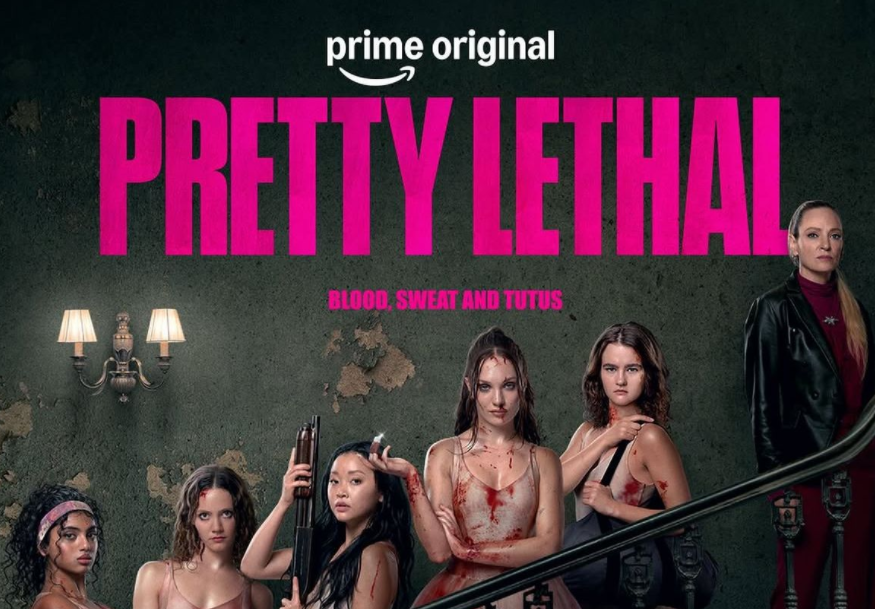
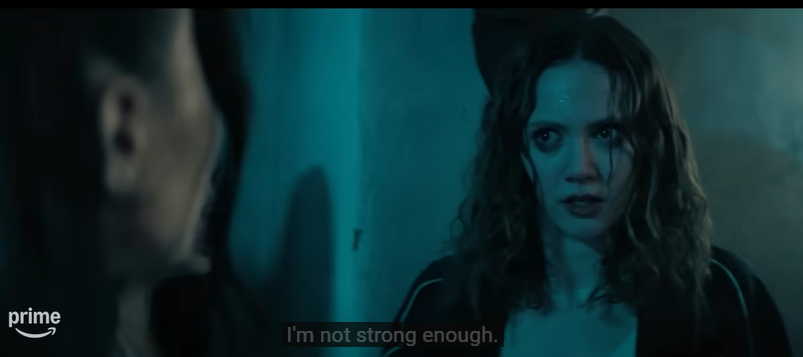
It is not every day that a film asks you to believe that pirouettes can double as punches, or that a perfectly timed leap can save a life, yet Pretty Lethal walks straight into that unusual space with confidence, turning the discipline of ballet into something unexpectedly dangerous, oddly thrilling, and at times wildly entertaining.
The film builds its entire identity around this “ballet-fu” concept, where elegance is not just for performance but becomes a practical tool for survival, and while the idea sounds like a novelty at first, it quickly proves to be the hook that keeps the viewer engaged, curious, and occasionally impressed by how far the film is willing to push its own premise.
Directed by Vicky Jewson and featuring performances from Maddie Ziegler, Lana Condor, and Uma Thurman, the film leans heavily on its cast’s physical ability and screen presence to carry an otherwise straightforward story, creating a viewing experience that is less about intricate plotting and more about movement, energy, and spectacle.
A survival story
At its core, Pretty Lethal follows a group of ballerinas whose journey takes an unexpected and dangerous turn when they find themselves stranded in an isolated location, cut off from help and forced into a situation where survival becomes their only priority. What begins as an ordinary travel mishap gradually unfolds into a tense confrontation with hostile forces, pushing the characters into a corner where their training becomes their greatest advantage.
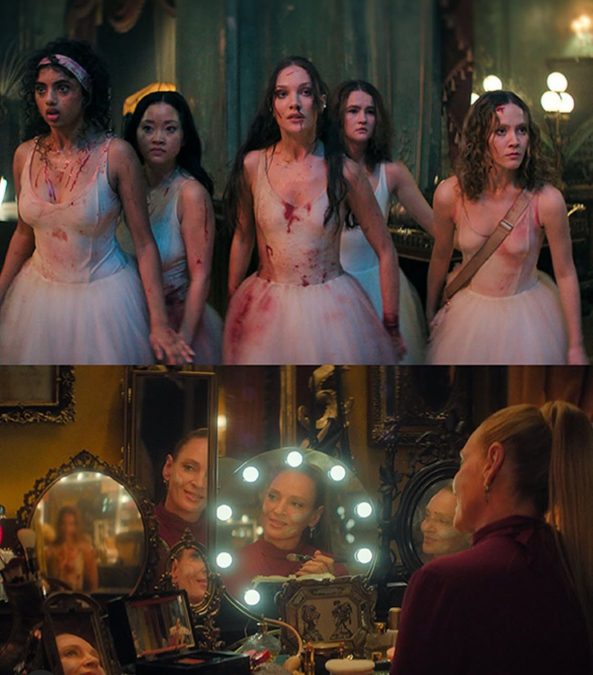
The narrative itself is not particularly complex, and it does not attempt to reinvent the survival thriller formula, but it uses its unique cast of characters and their background in dance to add a distinctive angle to familiar circumstances, allowing the story to remain accessible while still offering something visually and conceptually different from standard action films.
Ballet-fu: Where the film truly earns attention
The most compelling aspect of Pretty Lethal lies in its central creative idea, often described as “ballet-fu,” where classical dance techniques are transformed into a form of combat that blends grace with aggression in a surprisingly fluid manner. Instead of relying solely on conventional fight choreography, the film integrates movement patterns such as spins, jumps, and controlled footwork into its action sequences, resulting in scenes that feel both artistic and unconventional.
This approach gives the action a rhythmic quality that sets it apart from typical thrillers, and while some sequences stretch realism, the commitment to the concept ensures that the fights remain visually engaging and memorable. It is in these moments that the film feels most alive, as the choreography becomes the storytelling, allowing movement itself to communicate tension, urgency, and control.
Performance
The cast delivers performances that are heavily rooted in physical expression, which is essential given the film’s emphasis on movement and choreography. Maddie Ziegler and Lana Condor demonstrate strong control and coordination, reflecting the demands of both dance and action, while maintaining enough screen presence to keep their characters engaging even in the absence of deeply written arcs.

Uma Thurman adds a contrasting energy with a more commanding and dramatic portrayal, bringing intensity to her role and helping to anchor the film’s more theatrical moments. Although the script does not provide extensive character development, the cast’s commitment ensures that the film retains momentum and visual appeal throughout its runtime.
Tone and pacing
The film maintains a consistently fast pace, moving quickly between scenes without spending too much time on exposition or emotional buildup, which keeps the experience engaging but also limits the depth of its storytelling. The tone shifts between serious survival tension and stylised action presentation, creating a hybrid feel that is sometimes effective and at other times slightly uneven.
This lack of tonal consistency means that while certain moments feel grounded and intense, others lean more toward spectacle and visual flair, resulting in a film that does not always settle into a single identity. However, the brisk pacing ensures that the film rarely feels stagnant, making it an easy watch for viewers who prefer action-driven narratives over dialogue-heavy storytelling.
Style-forward cinema with a memorable hook
Pretty Lethal stands out primarily because of its originality, as it introduces a concept that is both unusual and visually engaging, even if it does not fully explore the deeper potential of its story or characters. The “ballet-fu” approach gives the film a distinct personality, supported by committed performances and energetic choreography that elevate its action sequences above the ordinary.
While it may not deliver a highly layered narrative or consistent tonal balance, it remains a compelling watch for audiences who are drawn to inventive action concepts and stylised filmmaking.